Why Yalahau Cenote, Isla Holbox matters.
Yalahau Cenote is a tranquil freshwater spring where the protected wetlands of Yum Balam, ancient groundwater systems, Maya heritage, and the calm beauty of the Yucatán Peninsula offer one of the region's most refreshing natural experiences.
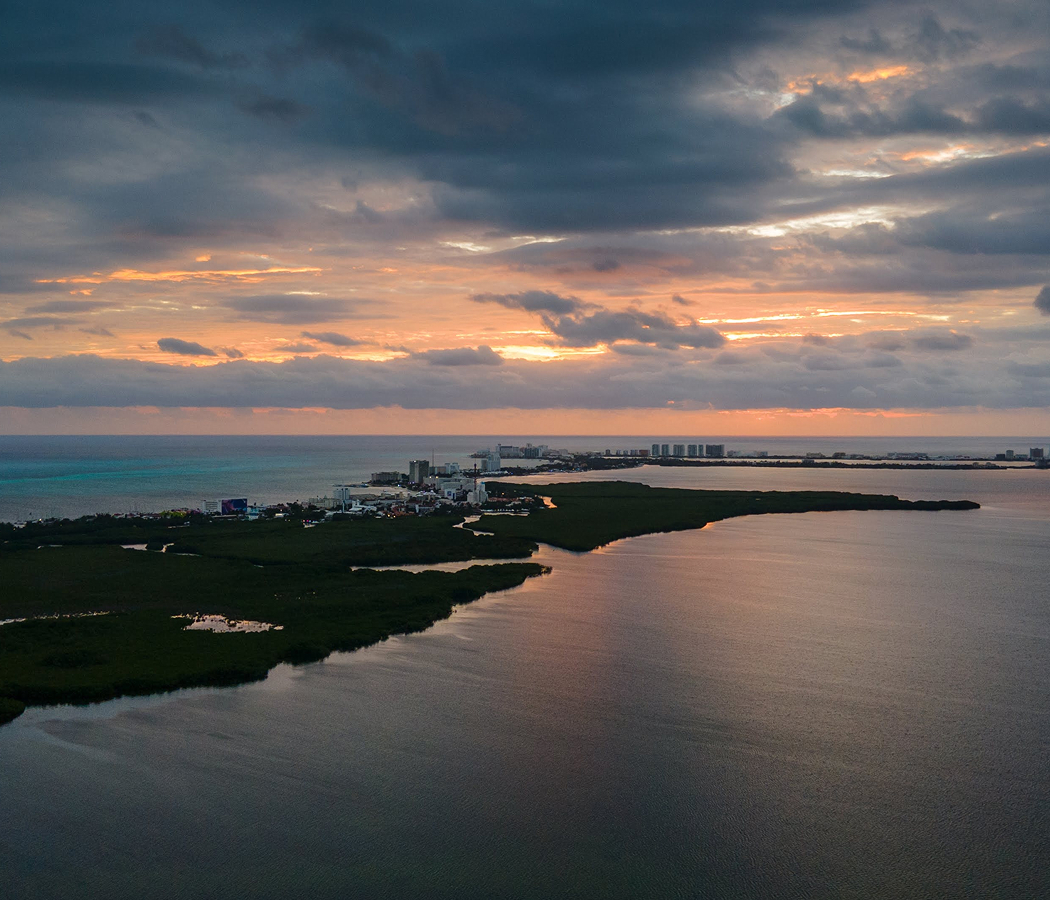
Set within Yalahau Lagoon near Isla Pájaros and just steps from the surrounding mangrove shoreline, this crystal-clear spring emerges from the limestone aquifer beneath the peninsula into a circular freshwater pool enclosed by lush vegetation, elevated boardwalks, and a wooden observation platform. Gentle mineral-rich waters remain noticeably cooler than the surrounding Gulf throughout the year, inviting visitors to swim beneath tropical foliage while fish, birds, and mangrove ecosystems thrive across the surrounding reserve. Every visit reveals an environment shaped by geology, ecology, and centuries of cultural history within one of northern Quintana Roo's most peaceful natural settings.
What defines Yalahau Cenote.
Yalahau Cenote is best known for serving as a natural freshwater spring fed by the immense limestone aquifer underlying the Yucatán Peninsula, providing one of the few permanent freshwater sources within the protected coastal ecosystems of the Yum Balam Flora and Fauna Protection Area while occupying a place in regional Maya tradition long before the arrival of Europeans. According to local history and oral tradition, the spring supplied freshwater for Maya communities and later became an important replenishment point for Spanish sailors and pirates navigating the northern Caribbean, contributing to enduring legends that associate its mineral-rich waters with youth, vitality, and healing. Unlike the deep cavern cenotes found throughout inland Yucatán, Yalahau emerges at ground level as a spring-fed freshwater pool connected to surrounding wetlands, where the interaction of subterranean groundwater, coastal mangroves, tidal lagoons, and estuarine habitats supports exceptional biological diversity. The cenote forms part of a broader ecological network that sustains migratory birds, juvenile fish, crustaceans, reptiles, and numerous aquatic species while helping regulate freshwater flows throughout the reserve. Today, carefully managed visitor access through elevated walkways, observation areas, and designated swimming zones supports ecotourism while preserving one of the Holbox archipelago's most significant freshwater environments.
Beyond its geological significance, the experience unfolds as a peaceful journey through one of northern Quintana Roo's richest coastal landscapes. Boat excursions across Yalahau Lagoon gradually transition from open water into quiet mangrove channels before arriving at the spring, where dense tropical vegetation, birdsong, and gently circulating freshwater create an atmosphere distinct from the surrounding Caribbean coastline. Swimming within the cool mineral-rich waters, observing wildlife throughout the reserve, and experiencing one of the peninsula's enduring freshwater sources together provide a deeper appreciation for the ecological systems that sustain the Holbox region.
How Yalahau Cenote fits.
Yalahau Cenote works as part of a full-day exploration through the protected islands and coastal ecosystems surrounding Isla Holbox.
Begin at Isla Pájaros, where elevated observation platforms introduce the remarkable birdlife thriving throughout the Yum Balam reserve before continuing to Yalahau Cenote for a refreshing swim in one of the region's most important freshwater springs. Continue to Isla Pasión, whose quiet beaches and mangrove habitats provide another intimate encounter with the archipelago's protected landscapes. Conclude at Punta Mosquito, where expansive sandbars and shallow turquoise waters provide a memorable finale celebrating the ecological richness that defines northern Quintana Roo. The progression moves naturally from thriving bird habitats to freshwater geology before concluding along one of Holbox's most celebrated coastal environments, revealing why Yalahau Cenote remains among the archipelago's essential nature experiences.
Where your story begins.
Foresyte Travel reveals places that feel extraordinary long before you arrive.
Enjoy editorial crafted for luxury travelers.
Foresyte may earn a commission when you book.