
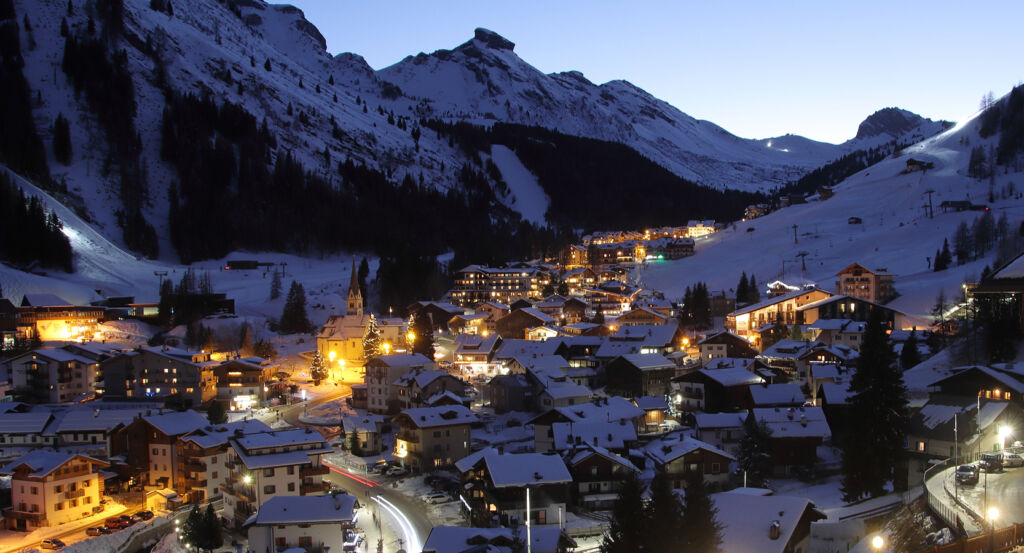
Why you should experience Hotel Al Forte in Italy.
Hotel Al Forte is where dramatic alpine scenery, deep historical resonance, and warm Ladin hospitality weave into a stay that feels atmospheric, distinctive, and unlike anywhere else in Arabba.
Located just outside the village, where pine forests cling to the slopes, where the Sella massif rises in sculpted limestone waves, and where the quiet stretch of road carries the crisp scent of mountain air, the hotel stands inside and around a restored Austro-Hungarian fort, a rare piece of Dolomite history that has been transformed into a uniquely immersive alpine retreat. Its stone walls, arched corridors, historic nooks, and warm wooden additions create a presence that feels both storied and comforting. This fusion of heritage and hospitality gives the hotel a character that cannot be replicated: part mountain refuge, part historic monument, part welcoming home. Step inside, and the atmosphere deepens. The interiors blend stone, wood, and traditional alpine design in a way that feels both authentic and intimate. Hallways curve through original masonry; lounges glow with soft lighting and natural textures; seating areas feel cozy and fortified; and subtle decorative touches highlight the building's military past without overshadowing the warmth of its present identity. It's a hotel where history is not displayed, it's lived in, softened by hospitality, and brought into harmony with mountain culture. Rooms at Hotel Al Forte reflect a soothing blend of comfort and heritage. Expect polished wooden furnishings, warm duvets, soft textiles, and gentle lighting that cast a golden glow across the stone and timber backdrop. Some rooms embrace a classic alpine style; others are shaped by the historical architecture of the fort itself. Many feature windows or balconies framing forests, village views, or the towering silhouettes of the Dolomites. Bathrooms are bright, updated, and thoughtfully designed with clean fixtures, warm tiles, and the simplicity needed for relaxing after days spent outdoors. One of the hotel's most atmospheric highlights is its wellness area, built into the original stone architecture of the fort. The spa feels like a hidden sanctuary, vaulted ceilings, soft warmth radiating across stone, saunas, steam baths, whirlpools, and relaxation spaces carved into history itself. It's the kind of space that encourages silence, reflection, and the deep exhale that comes only when the body is fully at rest. Dining at Hotel Al Forte is generous, soulful, and steeped in regional tradition. The restaurant serves Ladin, Tyrolean, and Italian dishes prepared with heart: mountain soups, handmade pastas, braised and roasted meats, local vegetables, alpine herbs, hearty polenta, and desserts shaped by chocolate, apples, nuts, and berries. The fortified dining room adds emotion and atmosphere, stone walls, warm lighting, and a sense of being rooted in centuries of mountain life. Breakfast is abundant: fresh breads, pastries, crostate, cereals, fruit, cheeses, cured meats, eggs, yogurt, vegetables, and strong Italian coffee that sets the tone for a full mountain day. In winter, Hotel Al Forte becomes an ideal home base for skiing the Dolomiti Superski region.
What you did not know about Hotel Al Forte.
Hotel Al Forte stands on land shaped by centuries of alpine conflict, endurance, and Ladin heritage, land whose history stretches far beyond tourism and into the military past of the Austro-Hungarian Empire.
The building that forms the core of Hotel Al Forte was originally constructed as a fortification during the 19th century, part of a network of defensive structures built to protect strategic passes and valleys in the Dolomites. Its stone walls were engineered to withstand harsh winters, artillery threats, and the isolation of mountain warfare. Positioned near the essential passes of Pordoi and Campolongo, the fort once served as a key outpost linking military routes that connected valleys and protected supply lines. During periods of tension, the land around the fort was crossed by soldiers carrying weapons, equipment, and provisions across rugged trails. The surrounding meadows were not simply landscapes but strategic vantage points, points where watchmen monitored movement across the valley and where the fort's presence secured one of the most important corridors in the region. When World War I erupted, the Dolomites became one of the most dramatic and devastating fronts of the entire conflict. Trenches, tunnels, and outposts were carved into stone across nearby mountains. Although not all structures in the valley saw direct combat, the entire region was transformed by the war: supply lines, medical routes, communications networks, and troop movements reshaped the landscape. The stone structure now housing Hotel Al Forte would have served as part of this larger defensive ecosystem, built from thick masonry, designed for endurance, and positioned with intention. After the wars and the eventual redrawing of borders, many Dolomite forts fell into disuse. Some collapsed, some were abandoned, and others were slowly reclaimed by nature. But the structure that would become Hotel Al Forte remained standing, a quiet monument of stone and resilience. Its transformation into a hotel represents one of the most remarkable examples of adaptive reuse in the region. Rather than demolish or neglect the building, the family behind Hotel Al Forte lovingly restored it, keeping the original stone architecture intact while integrating warmth, hospitality, and alpine charm. This created an atmosphere that honors the valley's past without allowing it to overshadow the present. The land surrounding the fort also carries the weight of older Ladin agricultural traditions. Before the wars, these meadows were hayfields worked by families with scythes, hay that sustained livestock during long winters. Traditional barns once dotted the area, built with stone bases and larch façades for ventilation. These agricultural rhythms coexisted with the fort's military presence, creating a landscape where defensive architecture and daily survival shared space. Today, Hotel Al Forte sits at the intersection of these histories. Beneath its warm rooms, inviting hallways, and atmospheric dining spaces lies a foundation shaped by centuries of mountain life, warfare, agriculture, trade routes, and the enduring strength of Ladin culture.
How to fold Hotel Al Forte into your trip.
Hotel Al Forte becomes the atmospheric, history-rich, grounding heart of your Dolomites journey, where mornings begin with generous alpine breakfasts, days unfold into panoramic exploration, and evenings settle into quiet comfort within stone walls warmed by hospitality.
Start the winter morning with breads, pastries, crostate, cheeses, cured meats, fruit, cereals, vegetables, yogurt, eggs, and strong Italian coffee before taking the hotel shuttle to the nearby lifts that connect directly to the Sellaronda and the vast Dolomiti Superski network. Spend your day skiing panoramic bowls, charcoal-colored stone corridors, ridge-line routes, forest trails, and cinematic descents that surround Arabba. Return to the hotel for vaulted spa warmth, quiet rest, and hearty dinners served in the historic stone dining room. In summer, begin your day with fresh mountain air drifting through your window before hiking toward panoramic terraces above Pordoi, exploring wildflower meadows, cycling iconic passes, or wandering through Arabba's quiet lanes. Spend afternoons relaxing in the sun, reading in peaceful lounges, exploring the fort's historical details, or unwinding in the wellness center. Evenings unfold with Ladin and Tyrolean dishes, soft candlelight reflecting off stone walls, the golden glow of sunset touching the cliffs, and the soothing calm of night returning to the valley. Wake restored, nourished, and aligned, ready for another day shaped by history, nature, movement, and the singular alpine presence of Hotel Al Forte. It becomes not just where you stay, but the atmospheric, memory-rich center of your entire Arabba experience.
Where your story begins.
Foresyte Travel reveals places that feel extraordinary long before you arrive.
Experience premium editorial crafted for luxury travelers.




















































































































