Why you should experience Hotel de Rome in Berlin, Germany.
Hotel de Rome is where grand historical prestige meets contemporary luxury, where Berlin's neoclassical heart becomes the backdrop to a stay infused with elegance, atmosphere, and cultural depth, and where stepping inside feels like entering a world of polished calm layered over one of the city's most important heritage buildings.
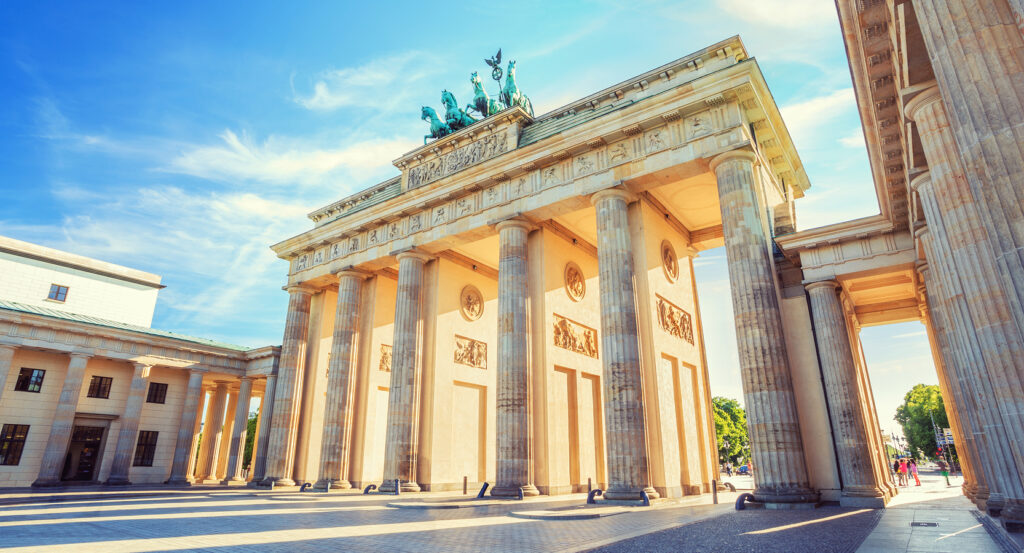
Set directly on Bebelplatz, surrounded by the Staatsoper, St. Hedwig's Cathedral, and the Humboldt University complex, the hotel occupies the former headquarters of the Dresdner Bank, among Germany's most powerful financial institutions of the early 20th century. The façade still radiates neoclassical gravitas: tall stone columns, sculptural lines, stately proportions, and a presence that signals both strength and refinement. Step inside, and the lobby greets you with a blend of original architectural elements and modern Rocco Forte style, marble floors, soaring ceilings, contemporary artworks, warm woods, deep colors, curated lighting, and quiet, grounded luxury. It's the kind of space that feels timeless, sophisticated, and unmistakably rooted in Berlin's cultural core. Rooms and suites carry forward this refined atmosphere with elegant design, strong materials, and spacious layouts. Expect plush bedding wrapped in crisp linens, soft carpets, smooth stone surfaces, warm lighting, and floor-to-ceiling windows framing views of Bebelplatz, the cathedral dome, or the beautifully preserved facades of the surrounding historic district. Interiors blend muted neutrals with bold, sophisticated accents, deep blues, rich woods, brushed metals, and tailored textiles that create a sense of poised, modern luxury. Bathrooms are generous and polished, marble and stone, deep soaking tubs, rain showers, sleek chrome details, illuminated mirrors, and premium amenities that elevate daily rituals into indulgent moments. Suites amplify the grandeur: expansive living rooms, statement furniture, high ceilings, curated art, panoramic windows, and a sense of heritage that infuses the experience. One of the hotel's most extraordinary features is its bank-vault spa, a luxurious wellness sanctuary built within the former strongrooms of the bank itself. Massive steel doors, original vault structures, atmospheric lighting, a serene indoor pool, saunas, steam rooms, and treatment suites create an unforgettable spa environment that blends history with tranquility in a way unmatched anywhere else in the city. Dining at Hotel de Rome is equally elevated. The signature restaurant serves refined Mediterranean and European cuisine with modern flair, while the lobby lounge offers an elegant setting for afternoon tea, cocktails, and light bites. Breakfast is a polished affair, fresh pastries, artisanal breads, fruit, cheeses, charcuterie, eggs, vegetables, cereals, juices, and expertly crafted coffee served in a room filled with morning light and calm sophistication. In warm weather, the rooftop terrace becomes one of the hotel's showpieces, offering cocktails, quiet lounging, and panoramic views over Bebelplatz, the Staatsoper, and the historic skyline of Mitte. It's one of the most atmospheric rooftop experiences in Central Berlin. Service reflects Rocco Forte's signature approach: warm, intuitive, polished, personal, and deeply attentive. Staff members remember names, anticipate needs, and bring a sense of human warmth to every interaction, balancing five-star precision with genuine hospitality.
What you should know about Hotel de Rome.
Hotel de Rome stands on land layered with more than 700 years of Berlin's history, land that has witnessed medieval street grids, Prussian grandeur, financial empire, wartime devastation, Cold War cultural realignment, and the city's post-reunification renaissance.
In the medieval era, the block where the hotel stands was part of Berlin's early urban expansion, home to small artisan workshops, timber-frame houses, and narrow streets that supported the city's initial growth along the Spree. By the 18th century, under the Prussian monarchy and Frederick the Great's ambitious urban planning, Bebelplatz (then known as Opernplatz) emerged as one of the city's most impressive squares. The land beneath today's hotel became part of a prestigious district framed by classical architecture, academic institutions, and cultural infrastructure. In the late 19th and early 20th centuries, the site was chosen for the grand headquarters of Dresdner Bank, among Germany's largest financial powers. The building was constructed with thick stone walls, reinforced vaults, ornate banking halls, grand staircases, and architectural detailing meant to project stability and influence. A portion of the hotel, most notably its spa, still uses the original steel-clad vault doors and underground strongrooms. World War II inflicted significant damage on Bebelplatz. Bombing raids destroyed sections of the surrounding buildings, scorched facades, and left structural scars that remained visible for decades. The Dresdner Bank building survived partially intact but suffered heavy interior damage and required extensive post-war repair. During the Cold War, the district fell under East Berlin, and the building was repurposed for various state functions. Bebelplatz itself, while still architecturally striking, became closely tied to East German cultural administration, with the Staatsoper serving as an anchor of socialist cultural identity. The land remained politically symbolic yet architecturally under-maintained during this period. Everything changed after reunification. With the restoration of Berlin's historic boulevards, Bebelplatz was chosen for major architectural revival. The former bank building, still structurally strong and steeped in historical identity, was selected for transformation into a luxury hotel. During excavation and renovation, teams uncovered original bank vault mechanisms, early-20th-century structural ironwork, fragments of pre-war tiling, sections of 19th-century foundations, and small archaeological traces from the area's medieval past. Some restored vault doors and metalwork now form part of the spa's atmospheric design. A lesser-known detail: Bebelplatz is the site of the infamous 1933 Nazi book burning. Although this event occurred in the square itself rather than the hotel footprint, the land surrounding the building carries the weight of that history. A memorial, the “Empty Library”, still sits a few steps from the hotel's entrance, visible through a glass panel embedded in the square. Today, Hotel de Rome captures the convergence of these historic layers, banking empire, architectural heritage, wartime endurance, Cold War transformation, and modern cultural revival, making it not just a luxury hotel but a living document of Berlin's complex past.
How to fold Hotel de Rome into your trip.
Hotel de Rome becomes your elegant, atmospheric anchor, where mornings begin with sunlight spilling across Bebelplatz, afternoons unfold into museum visits and architectural wanderings, and evenings settle into serene luxury in the heart of historic Berlin.
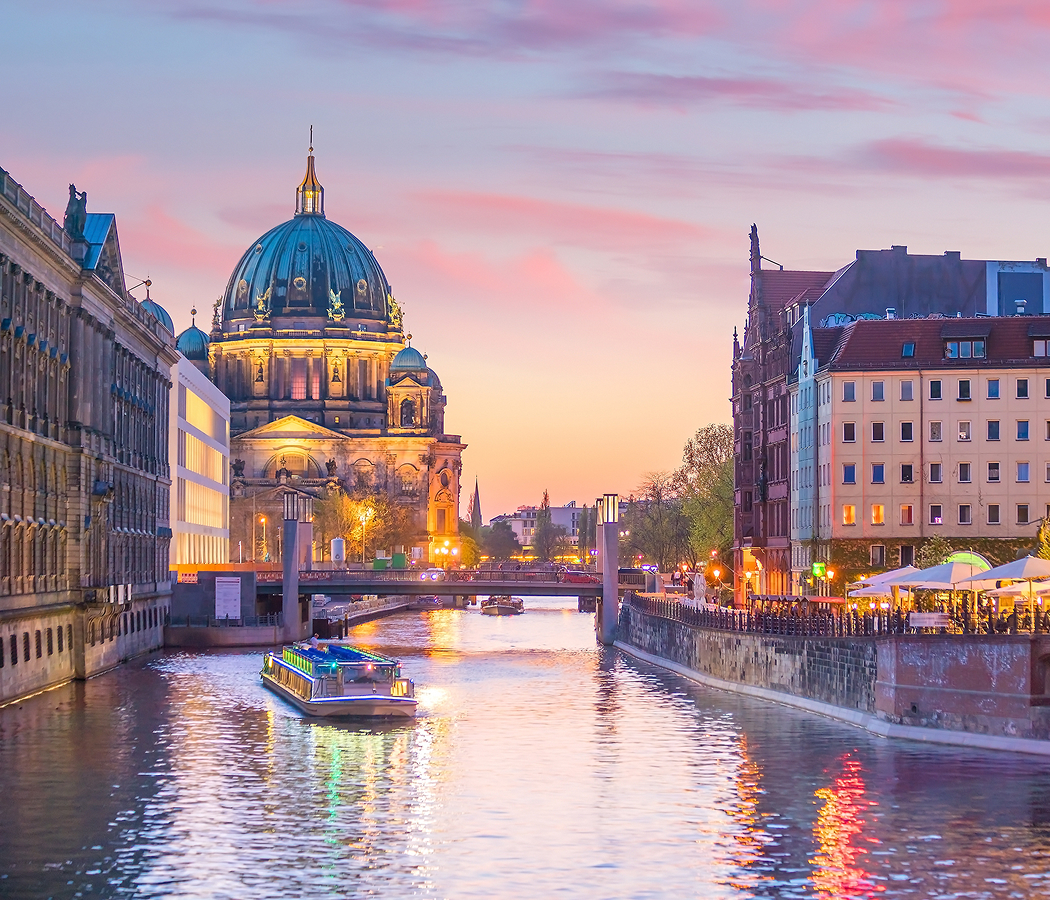
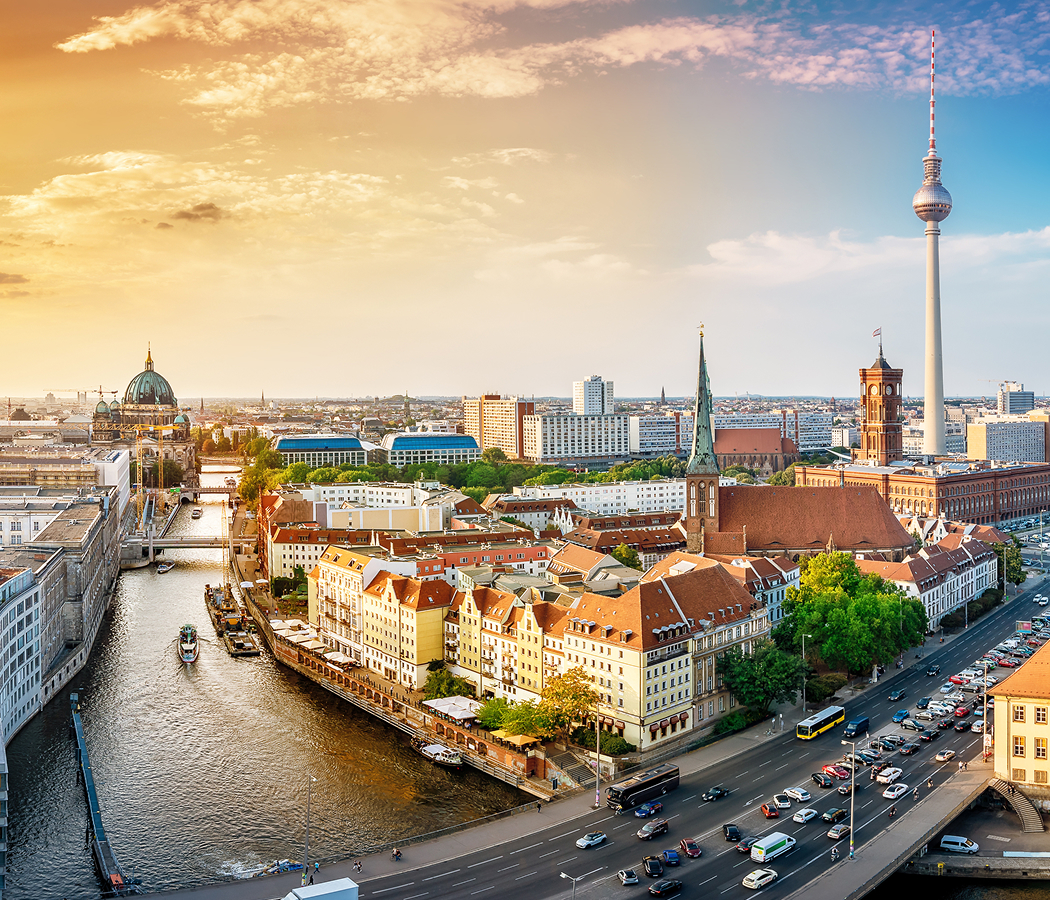
Start the morning with breakfast in the hotel before stepping directly into Bebelplatz for a peaceful walk among its classical buildings. Continue along Unter den Linden toward Museum Island, spending the morning with world-class art, archaeology, and cultural heritage. Midday, return to the hotel for a spa session in the atmospheric vault, a rest in your refined room, or a quiet moment on the rooftop terrace. In the afternoon, wander to Gendarmenmarkt, explore Humboldt University, or visit the Staatsoper. The surrounding boulevards are filled with cafés, boutiques, bookshops, and historic passageways, perfect for slow exploration. As evening arrives, enjoy cocktails on the rooftop with views over the cathedral dome and the operatic skyline before choosing dinner at a nearby brasserie, modern German restaurant, or one of Mitte's MICHELIN-starred kitchens. After dinner, take a nighttime walk through the illuminated square or return to your room for a quiet, luxurious wind-down wrapped in soft lighting and architectural serenity.
Where your story begins.
Foresyte Travel reveals places that feel extraordinary long before you arrive.
Experience premium editorial crafted for luxury travelers.