Why you should experience Unter den Linden in Berlin, Germany.
Unter den Linden is Berlin's grand artery, a stately boulevard where centuries of history, culture, and ambition converge beneath a canopy of linden trees.
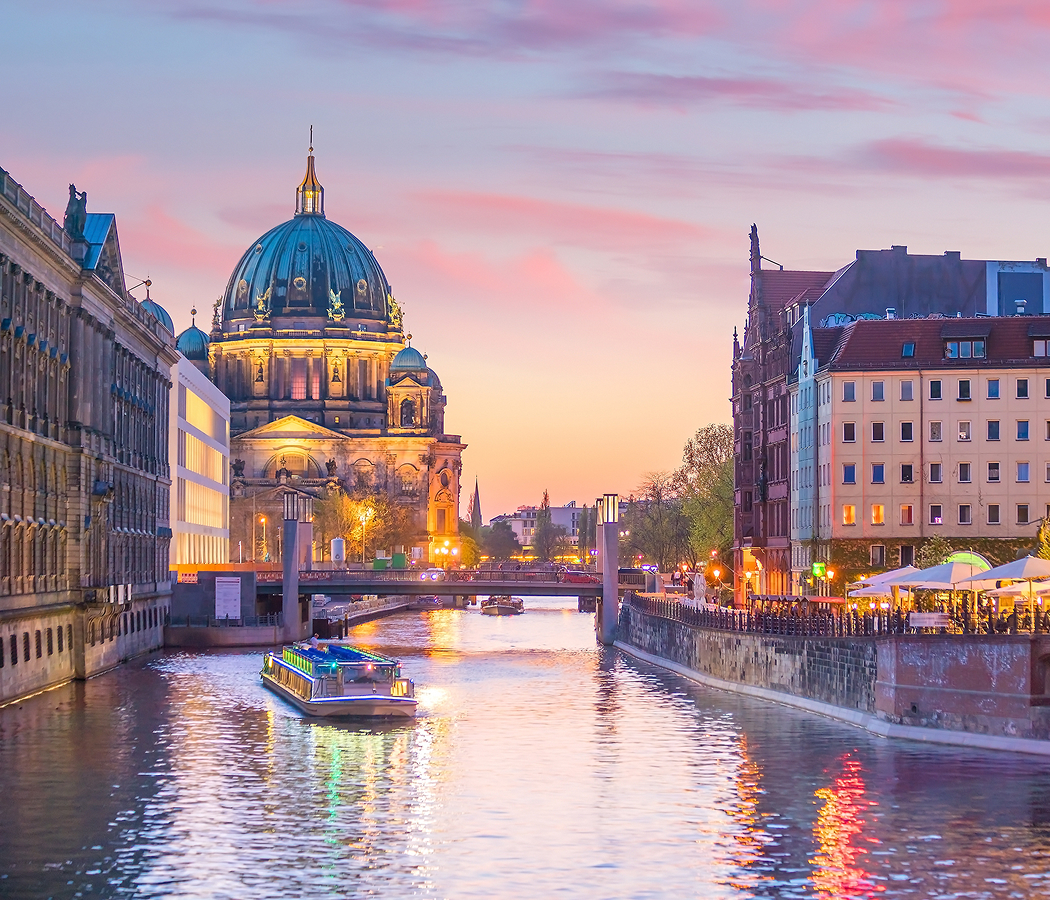
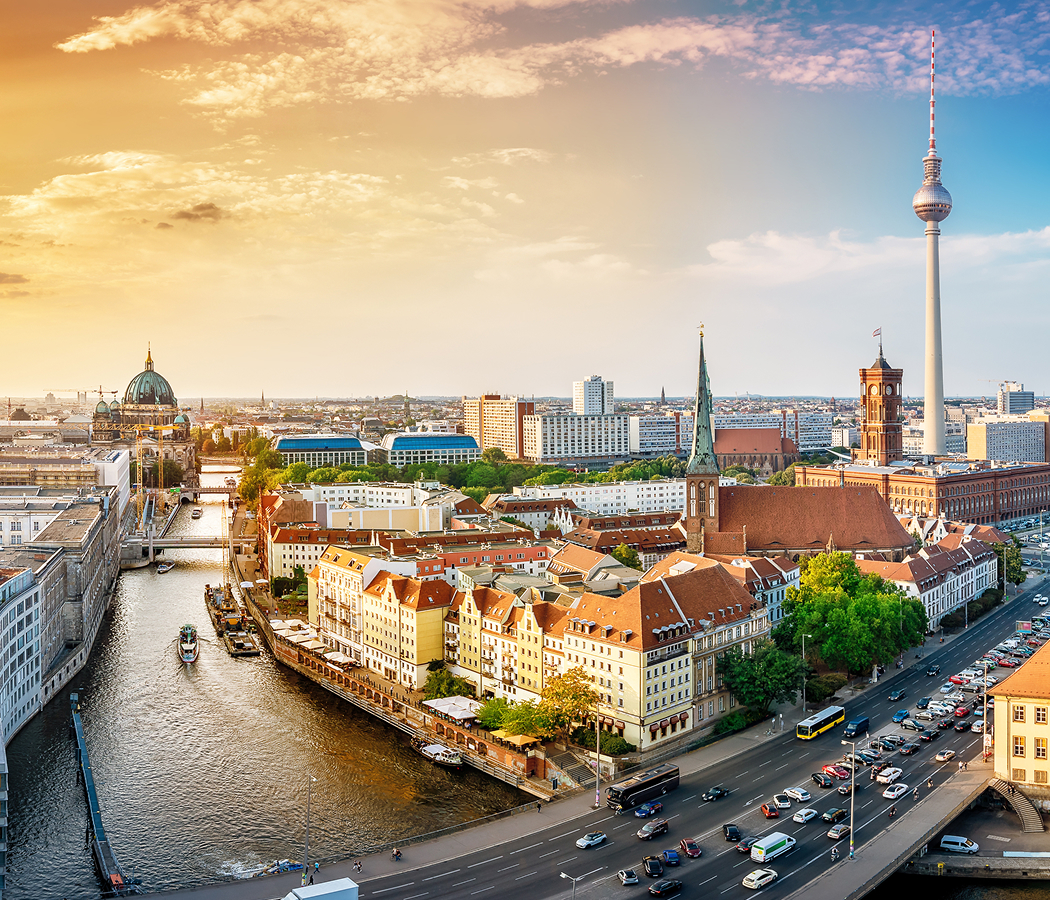
Stretching from the Brandenburg Gate to the stately Schlossbrücke bridge, it's a walk through the soul of the city itself. The air feels charged here, a blend of classical elegance and modern pulse. Horse-drawn carriages once clattered along these cobblestones, carrying Prussian royalty, while today, students, diplomats, and artists share the same path lined with embassies, museums, and historic cafés. The golden domes of the Berlin Cathedral glint in the distance; the rhythmic flow of trams hums softly in the background. Unter den Linden isn't merely a street, it's an unfolding narrative, a living museum of architecture and identity. Each building tells a story: the State Opera, the Humboldt University, the Neue Wache, all standing like chapters in a book that Berlin never stops writing.
What you should know about Unter den Linden.
The story of Unter den Linden begins not with architecture, but with trees.
In the 16th century, it was a humble path leading from the royal palace to the Tiergarten hunting grounds. The linden trees, planted in 1647, gave it both its name and its spirit, symbolizing peace, beauty, and endurance. As Prussia rose to prominence, the boulevard transformed into Europe's rival to Paris' Champs-Élysées: palaces, academies, and libraries rose beside the trees, each more ornate than the last. But the 20th century was less kind. Bombings during World War II and the city's division left Unter den Linden scarred and hollow. It wasn't until reunification that the boulevard reclaimed its grandeur, with careful restorations returning its baroque facades and pedestrian-friendly grace. Few realize that beneath the modern paving stones still lie fragments of the original road, silent witnesses to 400 years of Berlin's metamorphosis. Even the alignment of the linden trees was restored with near-military precision, honoring the exact spacing and rhythm that once guided royal processions.
How to fold Unter den Linden into your trip.
Walking Unter den Linden is not a stroll, it's a pilgrimage through time.
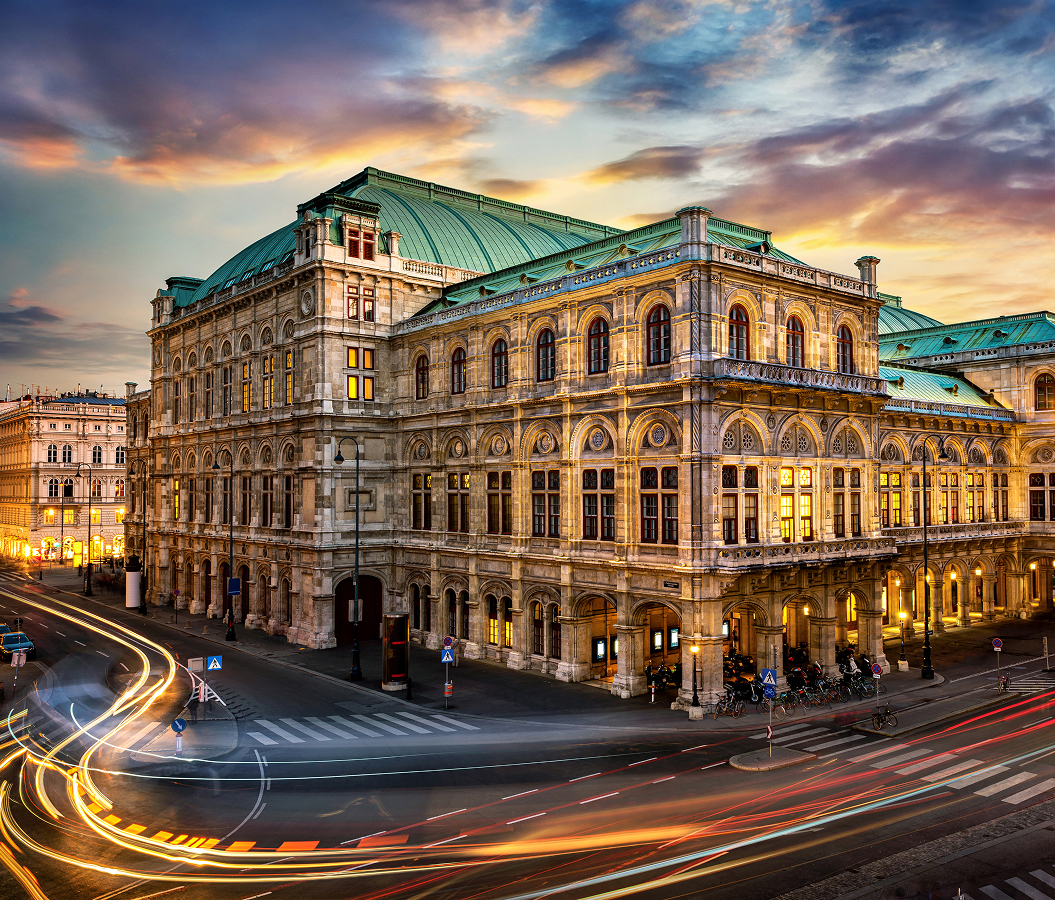
Begin at Pariser Platz beneath the Brandenburg Gate, where Berlin's symbolic past and present converge. From there, move east at a slow, observant pace. Stop at the equestrian statue of Frederick the Great, whose bronze gaze still surveys the avenue he helped shape. Continue past the State Opera House, where Mozart and Wagner once filled the air with music, and into Bebelplatz, a square both beautiful and solemn, marked by the glass memorial to the Nazi book burnings. As you approach the Lustgarten and the Berlin Cathedral, pause at the Humboldt Forum, where the restored Baroque palace meets modern architecture in perfect tension. For the best experience, walk it twice: once during the day, when sunlight filters through the linden leaves like liquid gold, and again at night, when the street glows with soft amber light. Unter den Linden isn't just a route through Berlin, it's the spine of its memory, where the past and the present breathe in rhythm, and where every footstep feels like part of a greater story still unfolding.
Where your story begins.
Foresyte Travel reveals places that feel extraordinary long before you arrive.
Experience premium editorial crafted for luxury travelers.