
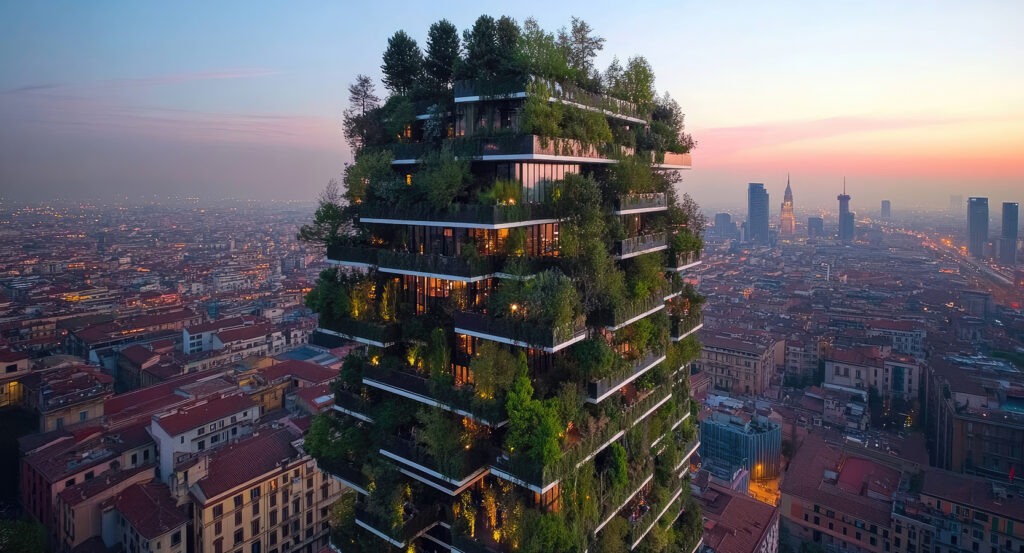
Why you should experience Hotel San Guido Porta Volta in Milan, Italy.
Hotel San Guido Porta Volta is where old-school Milanese charm meets intimate boutique warmth, where classic hospitality blends with the creative pulse of Porta Volta and Isola, and where stepping inside feels like entering a preserved fragment of authentic, quietly elegant Milan, personal, atmospheric, and deeply comforting.
Set along Via Carlo Farini, among Milan's historic northern arteries connecting Porta Garibaldi, Isola, and the Volta district, the hotel rises within a characteristic early-20th-century palazzo marked by tall windows, wrought-iron balconies, shuttered facades, and a soft architectural grace that speaks to a bygone era. Step through the entrance and the shift is immediate: marble floors, antique furniture, soft lighting, framed prints, polished wood counters, and an atmosphere imbued with gentle nostalgia. It feels like a hotel that has lived a life, quietly dignified, authentic, and lovingly cared for. Rooms and suites follow this classic Milanese aesthetic. Expect warm textiles, vintage-inspired furniture, soft color palettes, high ceilings, and layouts that prioritize comfort and ease over theatrics. Many rooms feature French windows that open onto the neighborhood's residential rhythms, tree-lined boulevards, local restaurants, the bustle of commuters, and the gentle transitions between modern Milan and its historic northern districts. Bathrooms are clean and thoughtfully maintained, reflecting traditional Italian hospitality, ceramic tiling, polished fixtures, bright mirrors, practical storage, and amenities chosen for comfort. Some rooms include balconies or expanded layouts, adding touches of resonant calm and spaciousness that feel especially grounding after a full day in the city. The common spaces deepen the hotel's heritage charm. The lounge blends antique pieces with contemporary comforts, bookshelves, framed artwork, upholstered seating, soft lamps, and the quiet hum of a boutique property that values atmosphere over flash. It's a place where travelers sip espresso, plan their days, or simply linger in the peaceful personality of a hotel that feels like a family residence. Breakfast is simple, warm, and sincere, fresh pastries, breads, fruit, yogurt, cheeses, warm beverages, and attentive service that reflects the staff's commitment to genuine hospitality. What the hotel may lack in extravagant buffets, it makes up for with heartfelt care. Service is unquestionably one of Hotel San Guido Porta Volta's strongest qualities. Staff members remember names, offer thoughtful suggestions, ask genuinely about your plans, and ensure an atmosphere that feels personal, familiar, and human. It's the type of hospitality that larger hotels struggle to replicate, unhurried, attentive, and emotionally grounded. The location is exceptional for travelers who want authenticity and convenience intertwined. Steps from Isola, Porta Garibaldi, the Monumental Cemetery, Chinatown, and the futuristic architecture of Porta Nuova, the hotel sits at a unique crossroads between Milan's creative districts and its modern business hubs. Trams, metros, and pedestrian routes make reaching the Duomo, Brera, Navigli, and Centrale intuitive and seamless. Hotel San Guido Porta Volta is intimate, atmospheric, warm, nostalgic, grounded, and ideal for travelers who want a boutique Milanese stay infused with sincerity, character, and a sense of place, authentic hospitality wrapped in the charm of a century-old palazzo.
What you should know about Hotel San Guido Porta Volta.
Hotel San Guido Porta Volta stands on land shaped by medieval trade routes, 19th-century industrial expansion, artisan communities, and the sweeping urban redevelopment that transformed Isola and Porta Volta into cultural powerhouses.
In the Middle Ages, the land north of the historic walls, where the hotel now stands, served as a vital connection between Milan and the towns of Como, Saronno, and the Alpine lakes. The road aligned with today's Via Carlo Farini was once a major horse-drawn trade route used by merchants, soldiers, craftsmen, and travelers moving between Milan and its northern territories. By the 18th and early 19th centuries, the area evolved into a mixed zone of farmlands, small villages, and early industrial workshops. As Milan industrialized in the mid-1800s, this corridor became a crucial part of the city's expansion. The nearby Porta Volta customs gate served as a checkpoint for goods entering the city, while the surrounding land filled with warehouses, mechanical workshops, small factories, foundries, and artisan studios supporting Milan's booming textile and engineering sectors. Historical maps show that the exact plot beneath Hotel San Guido Porta Volta once housed a series of modest commercial structures, tied to textile storage, small-scale manufacturing, or rail-servicing trades supporting the Garibaldi and Farini railway systems. The district's rapid industrialization brought waves of workers from across Italy. Isola, just steps from the hotel, became one of Milan's most important working-class neighborhoods. Courtyard houses, communal workshops, family-run labor businesses, and local markets defined community life. The hotel's location sat just beyond the densest residential clusters, forming part of a mixed commercial-residential pocket where artisans lived upstairs and worked downstairs. After World War II, the area underwent significant transformation. Many of the industrial buildings were demolished or repurposed, the tram lines were modernized, and the surroundings shifted toward a blend of housing, small businesses, and transportation services tied to Porta Garibaldi. The palazzo that would become Hotel San Guido Porta Volta was constructed in the early 20th century as an elegant mixed-use building, ground-floor commercial storefronts with upper-floor residences reflecting the Liberty architectural style popular at the time. Renovation work has uncovered fragments of the district's older layers: terracotta drainage pipes, remnants of cobblestone carriage routes, early-industrial flooring, and metal components tied to pre-war workshops. These artifacts reveal the site's progression from medieval trade road to industrial artery to boutique hospitality address. A lesser-known detail: the street's geometry directly follows the layout of an 1800s carriage route used to transport textiles and machinery between factories in Bovisa and warehouses near Porta Garibaldi. Today, the hotel sits just minutes from the contemporary redevelopments that have reshaped northern Milan-Pirelli HangarBicocca, Fondazione Feltrinelli, the new Biblioteca degli Alberi, and the dramatic towers of Porta Nuova. Its foundations hold the memory of Milan's industrial past, while its surroundings showcase the city's architectural future.
How to fold Hotel San Guido Porta Volta into your trip.
Hotel San Guido Porta Volta becomes the intimate, character-rich anchor of your Milan stay, where mornings begin in soft boutique calm, afternoons unfold into architecture and local culture, and evenings settle into wine bars, design districts, and the creative electricity of Isola.
Start the morning with breakfast in the hotel's warm dining space, fresh pastries, fruit, yogurt, bread, espresso, and the reassuring hospitality of staff who treat you like a familiar guest. After breakfast, walk toward Monumental Cemetery, among Milan's most extraordinary open-air museums. Explore its marble sculptures, chapel-like tombs, and architectural masterpieces before continuing into Porta Nuova. Wander through Piazza Gae Aulenti, admire its futuristic skyline, browse shops and cafés, and walk along the elevated footbridges into Bosco Verticale and the green expanse of Biblioteca degli Alberi. Late morning, drift into Isola. Discover street art, artisan studios, indie boutiques, small bakeries, photography galleries, and cafés filled with students, designers, and musicians. The neighborhood's creative character makes it one of Milan's most energetic atmospheres. Return to the hotel for a midday reset, rest in your cozy room, sip an espresso in the lounge, or take a quiet walk around the residential streets. In the afternoon, ride the tram or metro to the Duomo. Climb the cathedral terraces, explore the Galleria Vittorio Emanuele II, and wander toward La Scala or Brera, among the city's most artistic districts filled with galleries, courtyards, and intimate cafés. Alternatively, continue exploring northern Milan by venturing to Chinatown for its thriving markets and food scene, or to Corso Como for fashion, design shops, and the lively energy of its nightlife. As evening approaches, begin aperitivo at a wine bar in Isola or at a stylish terrace overlooking Porta Nuova. For dinner, choose from countless neighborhood options, authentic trattorias, contemporary Italian kitchens, sushi bars, or avant-garde bistros. After dinner, enjoy a nighttime stroll through the illuminated towers of Porta Nuova or wander back toward Porta Volta and the quiet side streets near the hotel, romantic, atmospheric, and distinctly local. Return to Hotel San Guido Porta Volta for a peaceful wind-down, dimmed lamps, quiet halls, and the comforting charm of a boutique hotel that invites you to slow down, recharge, and feel genuinely at home.
Where your story begins.
Foresyte Travel reveals places that feel extraordinary long before you arrive.
Experience premium editorial crafted for luxury travelers.




















































































































