Why you should experience Humboldt Street in Denver, Colorado.
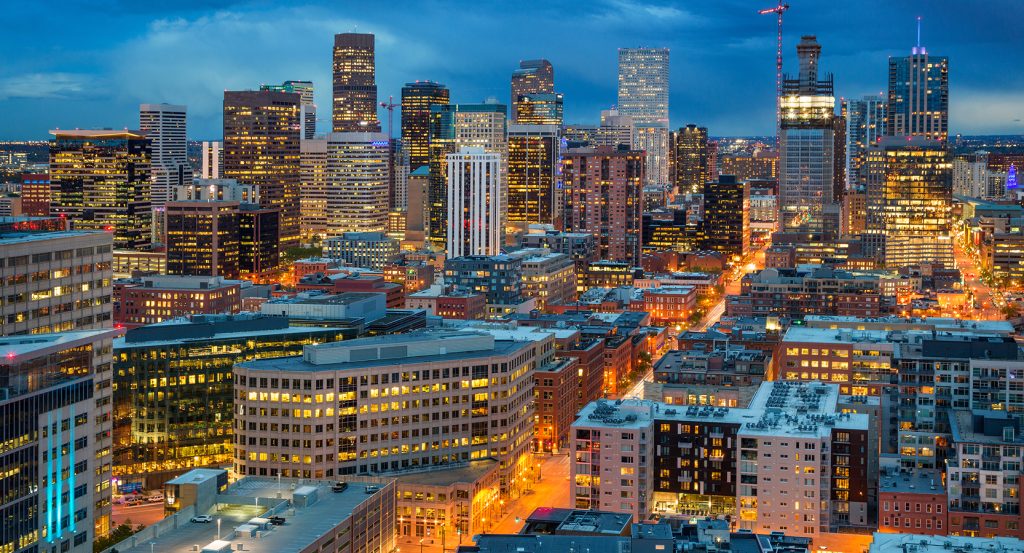
Humboldt Street is an elegant Cheesman Park corridor where historic architecture, cultural heritage, and residential beauty converge along one of Central Denver's most distinguished streets.
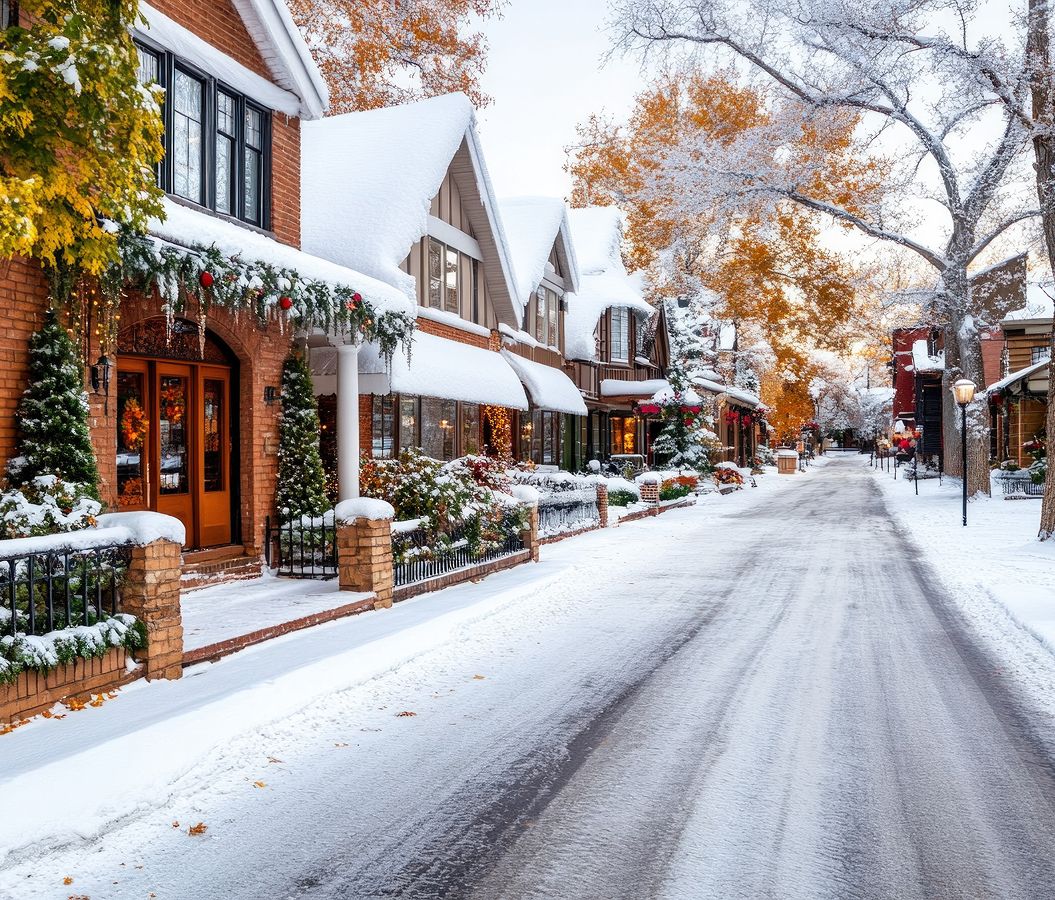
Running through City Park West, Cheesman Park, Congress Park, and Capitol Hill between North Capitol Hill and Cherry Creek North, this tree lined corridor connects beautifully preserved historic homes, neighborhood businesses, celebrated cultural institutions, community parks, and welcoming residential blocks that collectively showcase Denver's remarkable architectural evolution. Grand Victorian residences, Classic Denver Squares, architecturally significant apartment buildings, mature tree canopies, locally owned cafés, landscaped parkways, and inviting public spaces create an urban landscape where generations of physicians, educators, entrepreneurs, artists, and families have shaped one of Denver's most admired historic communities. Humboldt Street developed during the city's late nineteenth century expansion, evolving into one of Denver's premier residential addresses while preserving an exceptional concentration of landmark architecture and neighborhood character. The result is a corridor defined by architectural distinction, neighborhood vitality, and enduring civic character.
What you should know about Humboldt Street.
Humboldt Street is best known for being home to the Denver Botanic Gardens, whose Boettcher Memorial Tropical Conservatory became the first conservatory in the United States constructed entirely from tensioned acrylic panels when it opened in 1966.
Designed by Victor Hornbein and Ed White Jr., the groundbreaking structure introduced an innovative engineering system that eliminated traditional structural framing, allowing visitors to experience an uninterrupted canopy of tropical vegetation beneath its transparent shell. The conservatory quickly became an international landmark of modern architecture while expanding the gardens' ability to cultivate thousands of tropical and subtropical plant species year round. Its pioneering design established Humboldt Street as the home of one of America's most influential botanical landmarks, blending scientific innovation with architectural excellence in the heart of Denver.
How to fold Humboldt Street into your trip.
Humboldt Street works as an exploration of Denver's architectural heritage, botanical beauty, and celebrated public spaces.
Begin at the Denver Botanic Gardens, where one of the nation's most innovative conservatories immediately establishes the corridor's defining cultural identity. Continue toward Cheesman Park, where sweeping lawns, formal promenades, and panoramic skyline views provide broader perspective on the historic civic landscape that has shaped the surrounding neighborhood for more than a century. From there, make your way to the Molly Brown House Museum, where beautifully preserved Victorian interiors and the remarkable story of Margaret Brown provide a memorable conclusion while celebrating one of Colorado's most significant historic homes. Along the route, you'll encounter architecturally significant residences, welcoming public spaces, thriving neighborhood cafés, beautifully maintained parkways, historic civic landmarks, and tree lined residential streets that reveal the corridor's exceptional depth. The progression moves naturally from a pioneering botanical conservatory to one of Denver's most iconic parks to a National Historic Landmark, demonstrating how Humboldt Street connects architectural innovation, community life, and cultural heritage within the heart of Cheesman Park.
Where your story begins.
Foresyte Travel reveals places that feel extraordinary long before you arrive.
Experience premium editorial crafted for luxury travelers.