Why InterContinental Kuala Lumpur by IHG matters.
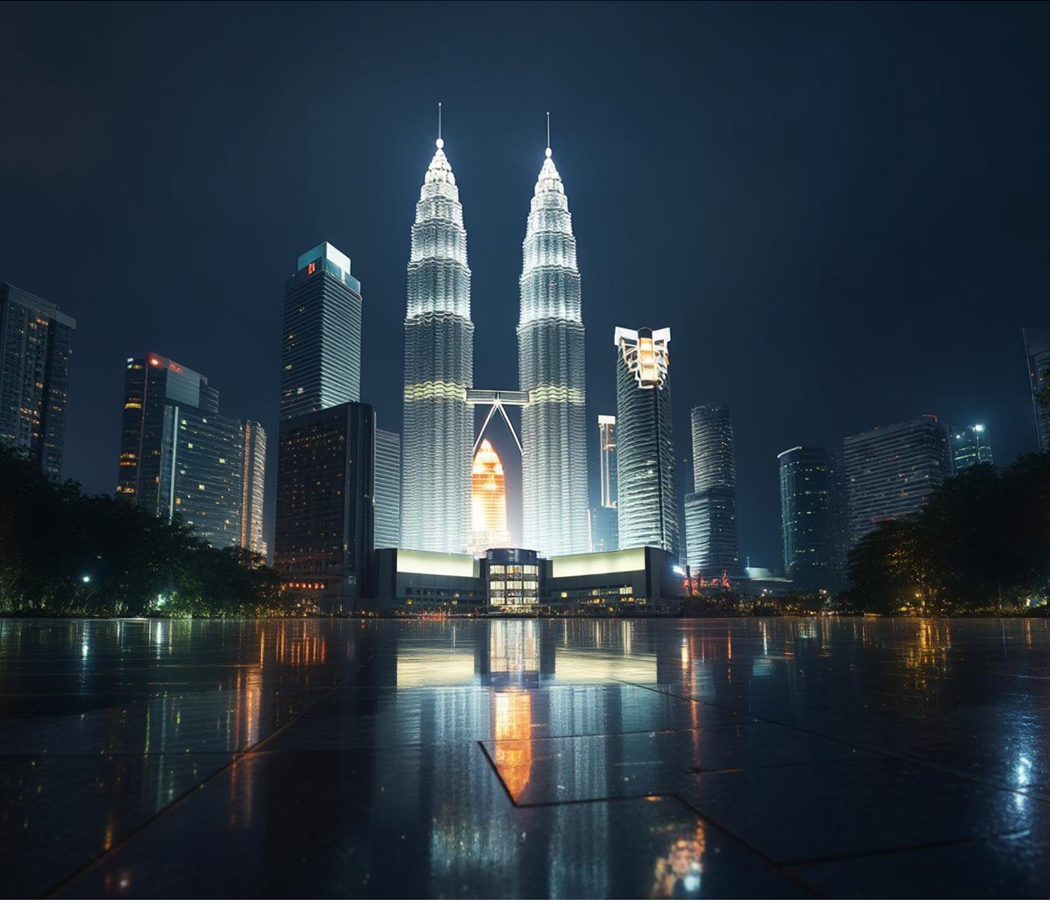
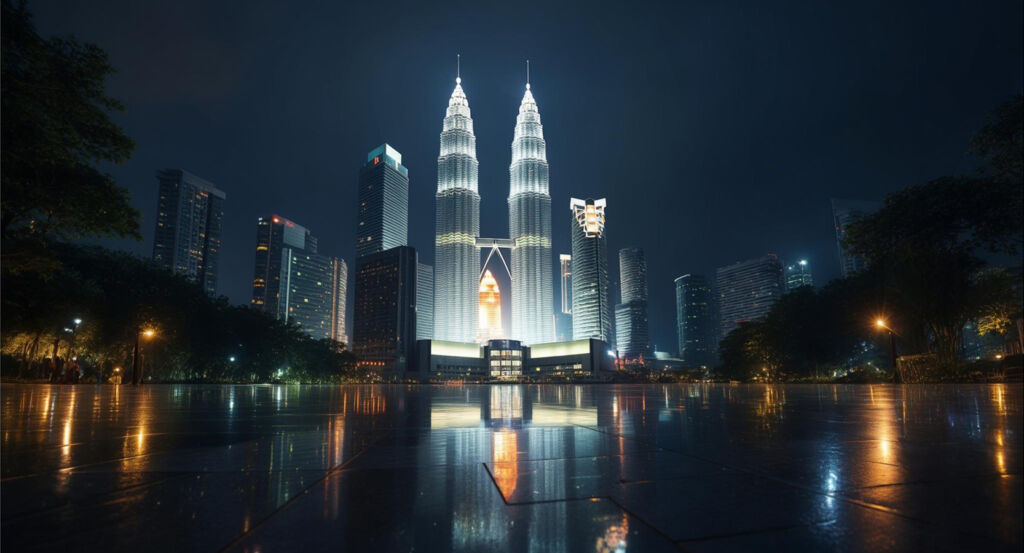
InterContinental Kuala Lumpur is a 30-floor city hotel where Malaysian hospitality, international dining and direct access to Kuala Lumpur's principal business and cultural districts converge beside the Petronas Twin Towers.
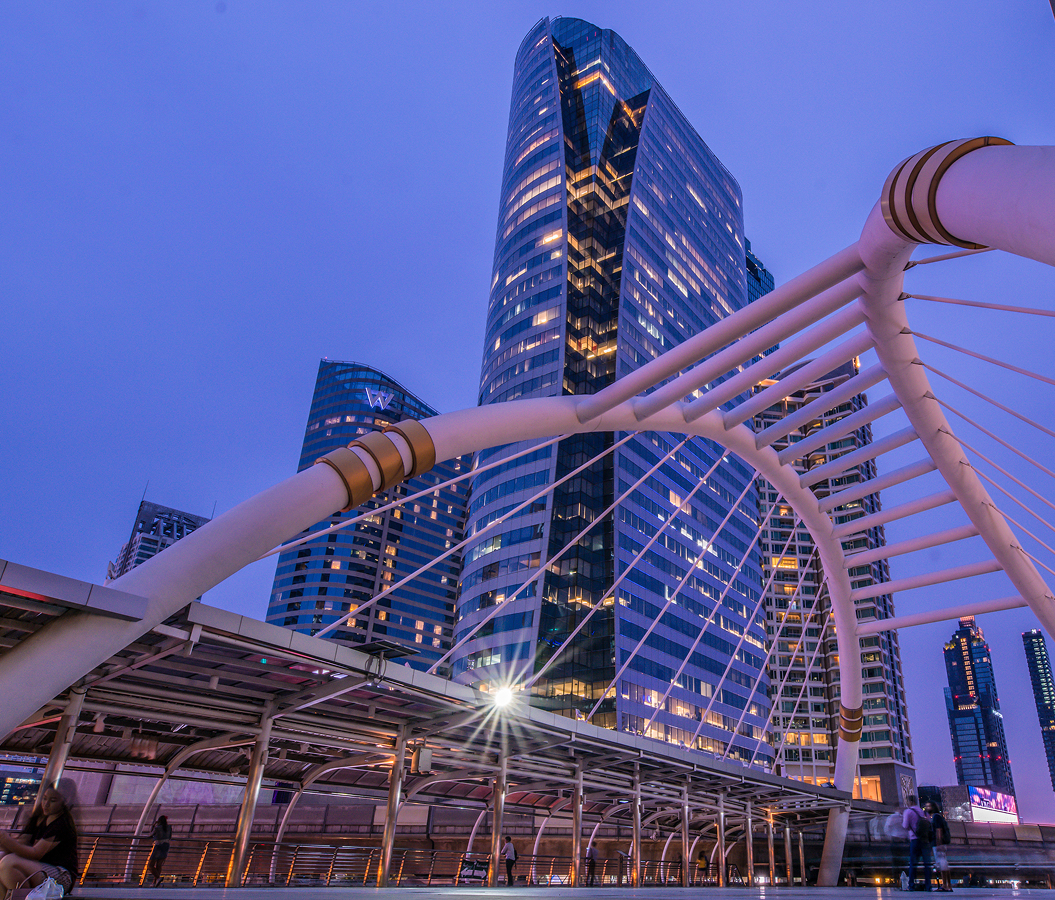
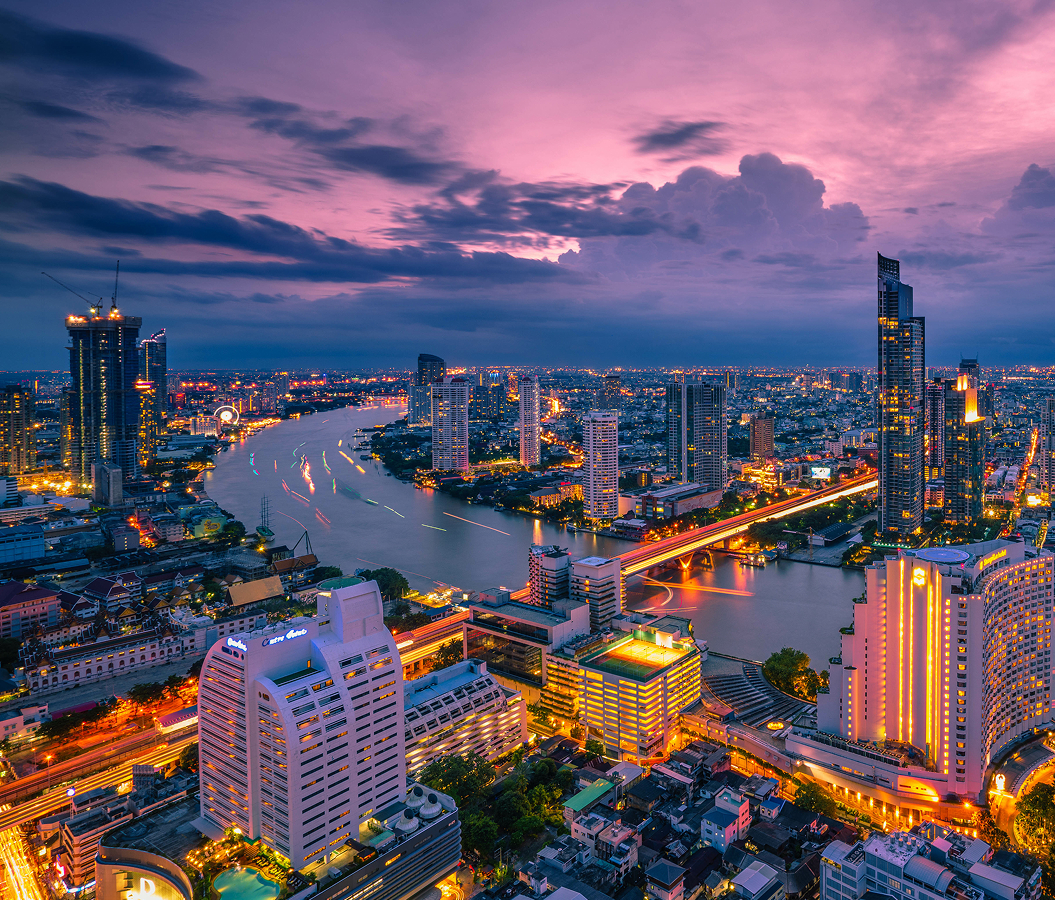
Set along Jalan Ampang near Jalan Tun Razak and just steps from the Petronas Twin Towers, the 30-floor hotel occupies Kuala Lumpur's Golden Triangle between KLCC Park, the Kuala Lumpur Convention Centre and commercial corridors extending toward Bukit Bintang. The tower's position places corporate offices, shopping complexes and landscaped parkland within one concentrated metropolitan field. Large windows, elevated suites and the Club InterContinental lounge create the primary experiential mechanism, placing Kuala Lumpur's skyline and business district within the hotel's upper levels. The outdoor pool, Peranakan-themed spa and earth-tone rooms introduce a softer interior rhythm beneath the surrounding high-rise cityscape. The result is a hotel whose vertical scale, central address and Malaysian design references make it a direct expression of Kuala Lumpur's international urban character.
What defines InterContinental Kuala Lumpur.
InterContinental Kuala Lumpur is best known for its 30-floor urban scale, 473-room accommodation plan and position beside the Petronas Twin Towers and Kuala Lumpur Convention Centre. The hotel's 473 rooms and suites use earth-tone furnishings, marble bathrooms and generous working areas to create a residential interpretation of a central business hotel. Classic and Premium rooms measure 42 square metres, while the Ambassador Suite extends to 127 square metres. The Presidential Suite contains 160 square metres, and the Royal Suite extends to 202 square metres with a living and dining area, kitchen and marble bathroom. Club InterContinental occupies Level 26 and adds breakfast, afternoon tea, evening cocktails, hors d'oeuvres and a private meeting room to the hotel's upper-level program. Nine meeting venues and two pillarless ballrooms give the property a substantial role in Kuala Lumpur's business and social calendar. The Grand Ballroom accommodates up to 1,300 guests, while the Junior Ballroom accommodates up to 230 guests. Direct access to the Petronas Twin Towers and Kuala Lumpur Convention Centre places the hotel within the city's most concentrated commercial and events district. The hotel's outdoor pool, fitness centre and Jade Heritage Spa extend the building beyond accommodation into a complete urban retreat. Peranakan references within the spa and Malaysian touches across the public interiors connect international hospitality with local cultural material. This combination of high-rise accommodation, club-level service, event infrastructure and regional design gives InterContinental Kuala Lumpur its distinctive place within the city centre.
How InterContinental Kuala Lumpur fits.
InterContinental Kuala Lumpur works as a central base for tracing Kuala Lumpur's cultural landscape from national Islamic architecture through urban Malaysian craft and commerce before culminating in a major Hindu pilgrimage site shaped by limestone geology.
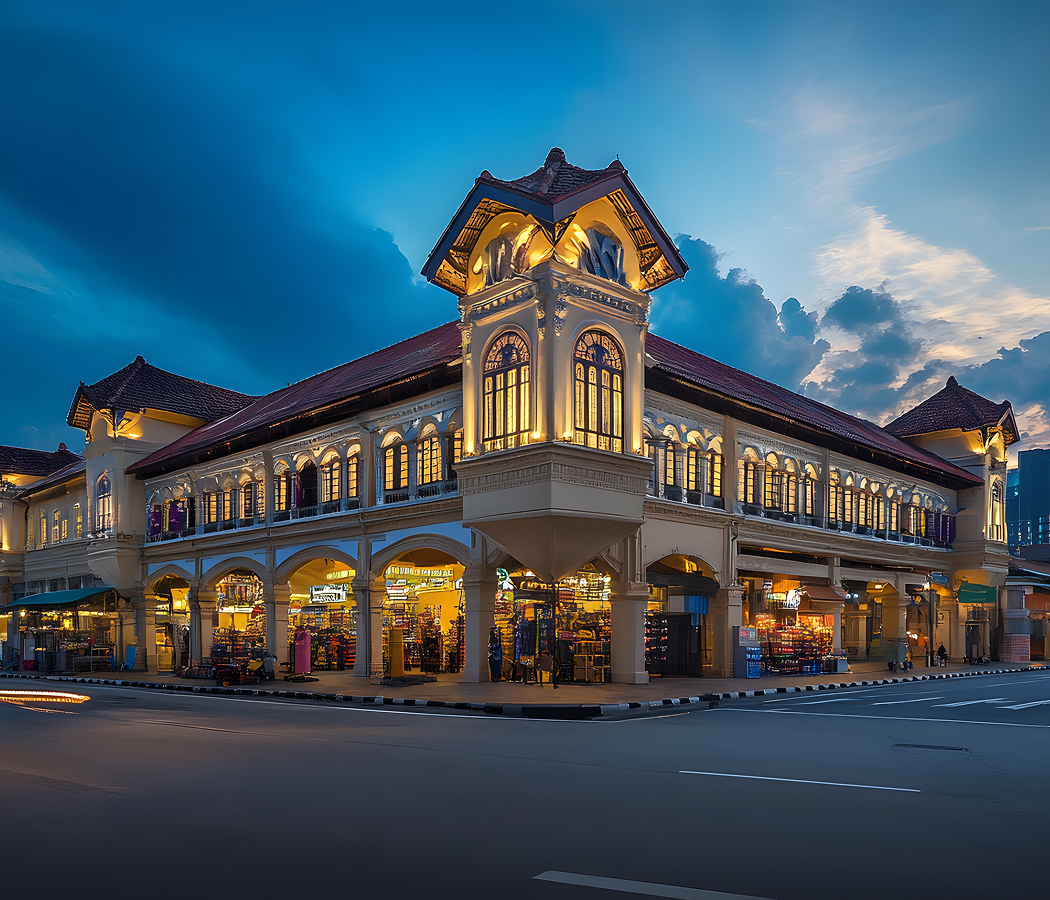
Begin at Masjid Negara, completed on 27 August 1965 as a national expression of Malaysia's independence and Islamic identity. Howard Ashley, Hisham Albakri and Baharuddin Abu Kassim shaped the mosque through reinforced concrete, a 73-metre minaret and a 16-pointed star roof recalling an open umbrella. The 13-acre grounds, reflecting pools and 15,000-person capacity expand Masjid Negara from a prayer hall into a national civic statement. Continue to Central Market Kuala Lumpur, which began as a wet market in 1888 before T.Y. Lee shaped its later Art Deco form during the 1930s. The building served as Kuala Lumpur's wholesale and retail market for fresh produce before its 1986 reopening as a heritage craft centre. Batik, songket, ceramics, pewter, paintings and handmade objects place Malaysian regional traditions within a building that links commercial history to contemporary cultural exchange. Conclude at Batu Caves, where a more than 400-million-year-old limestone formation contains Hindu shrines, temple chambers and the principal cave reached by 272 steps. The site became a Hindu religious centre in 1891, and its first Thaipusam festival followed in 1892. A 43-metre golden statue of Lord Murugan rises at the foot of the staircase, while the annual Thaipusam pilgrimage brings thousands of devotees through the cave complex. The progression moves from Masjid Negara's post-independence national architecture through Central Market's transformation from wet market to cultural centre and culminates at Batu Caves' Hindu pilgrimage landscape, allowing InterContinental Kuala Lumpur to anchor a continuous reading of Malaysia's religious, commercial and multicultural development.
Where your story begins.
Foresyte Travel reveals places that feel extraordinary long before you arrive.
Enjoy editorial crafted for luxury travelers.