Why you should experience Ivy Street in Denver, Colorado.
Ivy Street is a cultivated corridor where Park Hill's garden suburb heritage, architectural continuity, neighborhood tradition, and enduring sense of community define one of Northeast Denver's most recognizable residential streets.
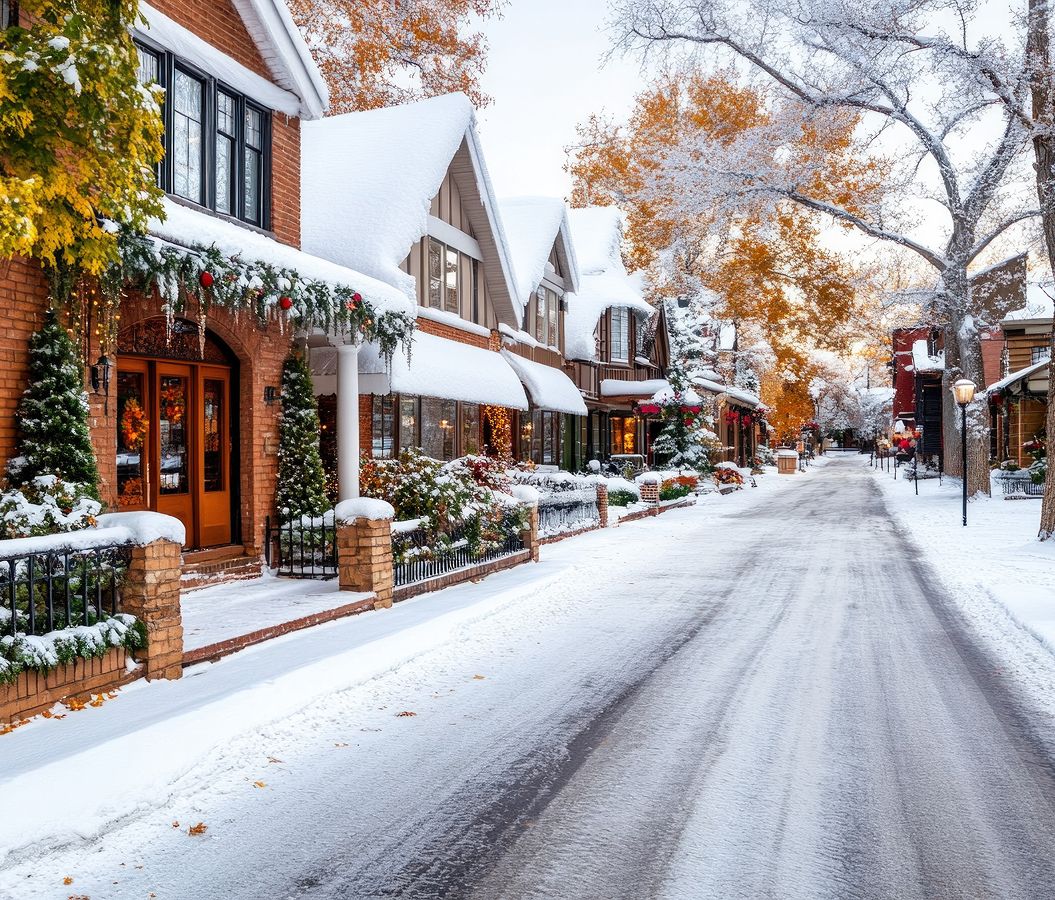
Running through Park Hill between South Park Hill and North Park Hill, Ivy Street connects convivial residential blocks, neighborhood institutions, landscaped parkways, and mature tree canopies that collectively express more than a century of thoughtful planning and steady neighborhood stewardship. Wide setbacks, period brick homes, broad lawns, and leafy streets create an environment where successive generations have preserved the district's original character while allowing measured reinvestment to enrich its evolving identity. The corridor reaches its defining character where historic planning, mature landscapes, and architectural cohesion reinforce one another throughout the neighborhood. The result is a corridor defined by timeless character, enduring neighborhood pride, and Park Hill's distinctive place within Denver's residential history.
What you should know about Ivy Street.
Ivy Street is best known for developing during the early twentieth century as Park Hill expanded eastward following the arrival of Denver's electric streetcar network and sustained residential growth beyond the city's original urban core. Implementation of the Kessler Plan principles for parkways and landscaped streets, together with subdivision planning by prominent real estate developers, established generous residential lots, tree-lined rights-of-way, and interconnected neighborhood blocks that distinguished Park Hill from earlier Denver neighborhoods. Successive Denver Comprehensive Plans, zoning ordinances, and transportation improvements preserved the area's residential structure while accommodating gradual modernization throughout the twentieth century. Together, subdivision planning, landscape design, coordinated zoning, and long-range urban development established Ivy Street as one of Park Hill's defining neighborhood corridors.
Construction campaigns between the 1910s and the 1940s introduced an enduring collection of Tudor Revival, Colonial Revival, Denver Square, and Minimal Traditional residences whose craftsmanship continues defining the corridor's architectural identity. Preservation efforts over subsequent decades encouraged rehabilitation of historic housing stock, sensitive infill construction, canopy expansion, and continued investment in the public realm while maintaining the neighborhood's cohesive streetscape. Collaboration among neighborhood organizations, preservation advocates, municipal planners, and local residents continues supporting multimodal accessibility, streetscape enhancements, historic stewardship, and carefully managed redevelopment throughout the district. Together, architectural preservation, community leadership, thoughtful reinvestment, and landscape continuity explain why Ivy Street remains one of Park Hill's most enduring residential corridors.
How to fold Ivy Street into your trip.
Ivy Street works as an exploration of Park Hill's architectural heritage, cultural legacy, and expansive public landscapes.
Begin at City Park, where broad meadows, historic promenades, lakes, and skyline views introduce the grand civic landscapes that helped shape Park Hill's development while providing an ideal foundation for understanding the neighborhood's relationship with Denver's early park planning. Continue to the Museum of Nature & Science, where nationally significant collections, scientific discovery, and panoramic views deepen the appreciation of the district's longstanding commitment to education, culture, and civic investment before naturally leading toward the neighborhood's historic heart. Conclude at the Park Hill Golf Club, whose century-old fairways, evolving history, and prominent role in Park Hill's character provide a reflective finale that ties together the neighborhood's planned origins, enduring landscapes, and continuing evolution. The progression moves from Denver's landmark park system through its civic and cultural institutions before concluding with a place that captures Park Hill's historical development and enduring sense of place.
Where your story begins.
Foresyte Travel reveals places that feel extraordinary long before you arrive.
Experience premium editorial crafted for luxury travelers.