Why Kreuzberg matters.
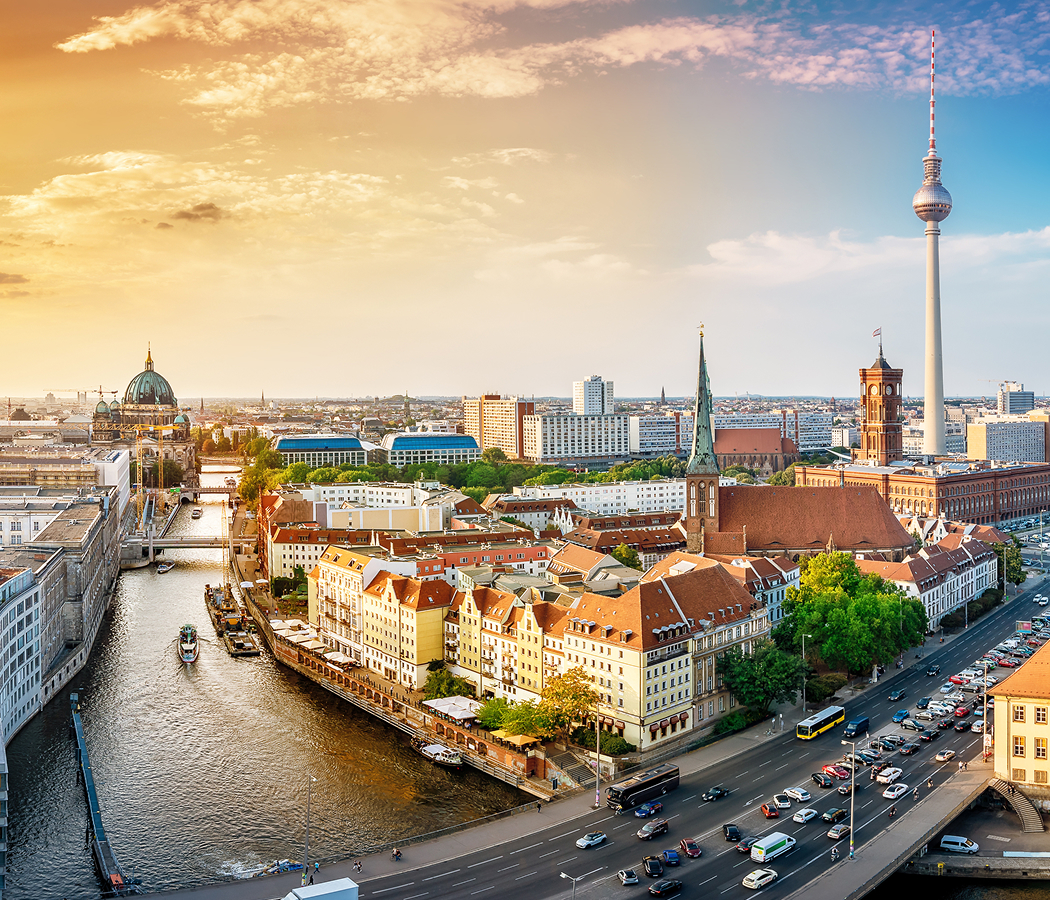
Kreuzberg is Berlin's neighborhood of rebellion and creativity, where multicultural communities, street art, alternative culture, historic canals, energetic nightlife, and political activism have shaped one of Europe's most influential urban districts.
Located just south of the historic center, the neighborhood unfolds through lively market streets, independent cafés, riverside promenades, music venues, community spaces, and colorful blocks that have long attracted artists, immigrants, students, entrepreneurs, and free thinkers. The district's energy is unmistakable, blending deep-rooted local traditions with constant reinvention and cultural experimentation. From hidden courtyards to thriving public squares, Kreuzberg offers an atmosphere that feels both fiercely independent and globally connected. Along the border of neighboring Neukölln, creative communities, nightlife corridors, and multicultural neighborhoods merge seamlessly into Kreuzberg's urban fabric, reinforcing its status as one of Berlin's most dynamic districts.
What defines Kreuzberg.
Kreuzberg is best known for being the symbolic heart of Berlin's alternative culture, a neighborhood whose unique position along the Berlin Wall transformed it into a center of activism, artistic expression, and social change during the Cold War and beyond.
Because West Berlin's border ended abruptly at the Wall, Kreuzberg found itself geographically isolated from much of the city, resulting in lower rents and an influx of students, artists, immigrants, political activists, and countercultural movements. Throughout the 1970s and 1980s, the district became internationally known for its squatter movements, underground music scene, independent cultural institutions, and progressive politics. Following reunification, Kreuzberg retained much of its creative spirit while evolving into one of Berlin's most influential cultural districts. Today, its legacy continues through street art, independent businesses, and a spirited multicultural identity. Few neighborhoods anywhere in Europe have had such a profound impact on contemporary urban culture.
How Kreuzberg fits.
Kreuzberg is an ideal centerpiece for a day spent exploring Berlin's cultural diversity, artistic expression, and contemporary identity.
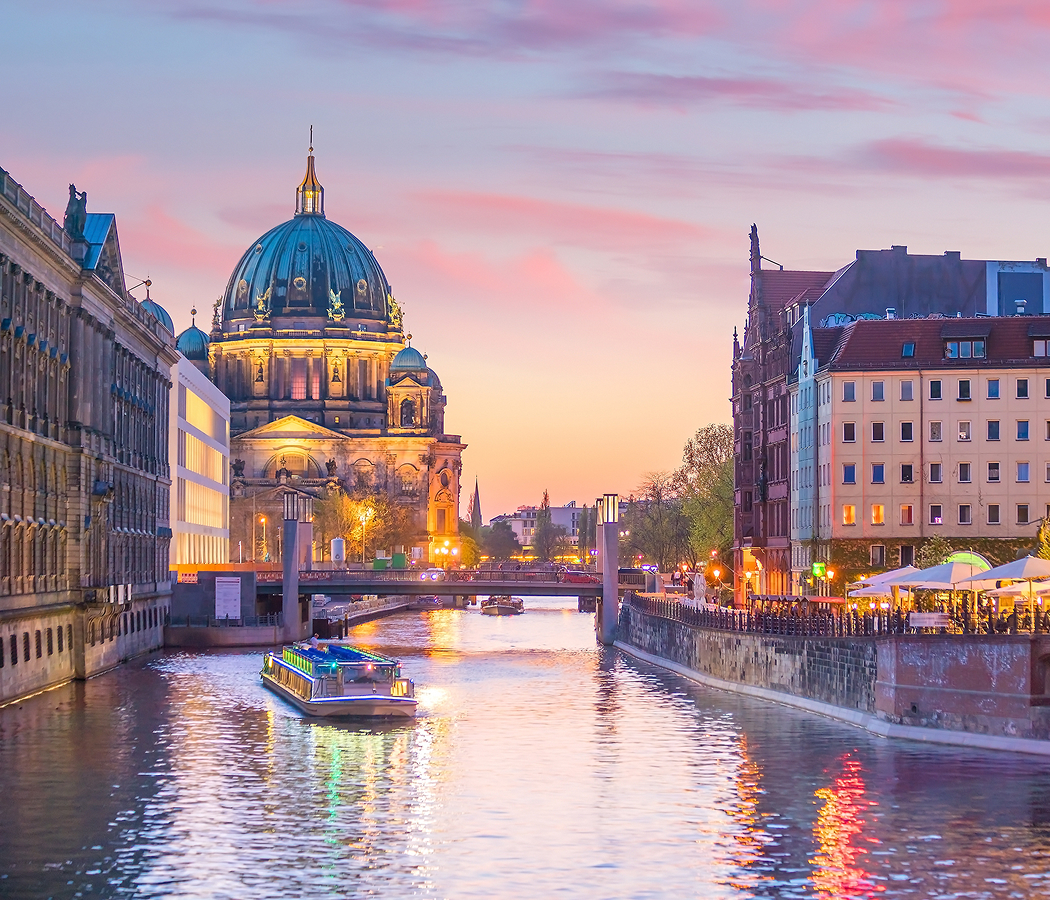
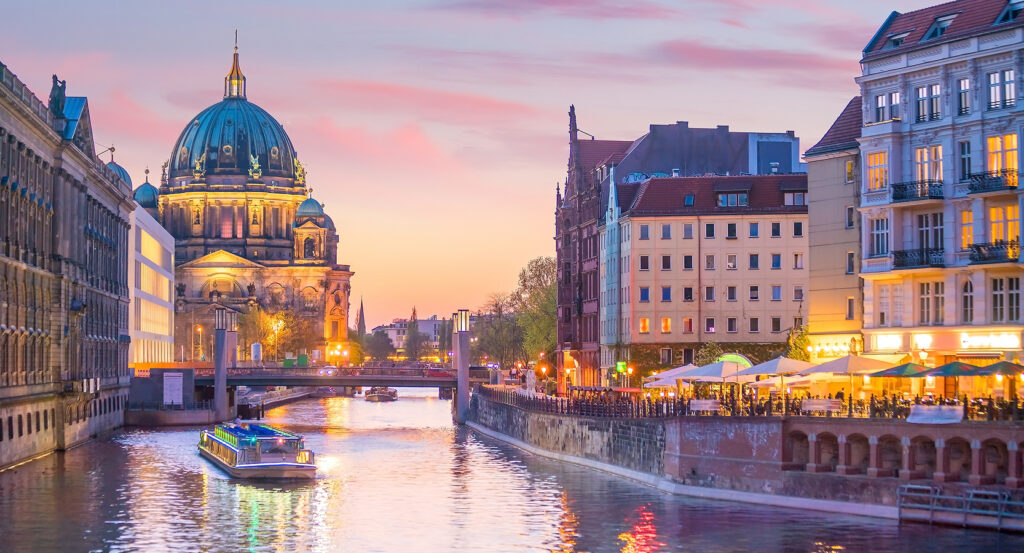
Begin the morning along the Landwehr Canal, where waterfront paths and local cafés provide a relaxed introduction to the district before venturing deeper into its lively streets and public spaces. From there, explore neighborhood markets, street art corridors, and cultural landmarks before continuing toward some of Kreuzberg's most celebrated destinations. Görlitzer Park, Viktoriapark, and the East Side Gallery all sit within easy reach, creating a natural progression between community life, panoramic city views, and one of the world's most important open-air monuments to freedom and artistic expression. As the afternoon unfolds, the neighborhood rewards exploration with hidden courtyards, international cuisine, independent galleries, and energetic nightlife that reveal why Kreuzberg remains synonymous with Berlin's creative soul. Kreuzberg fits naturally into that rhythm of discovery, serving as both a symbol of resistance and one of Europe's most influential cultural neighborhoods.
Where your story begins.
Foresyte Travel reveals places that feel extraordinary long before you arrive.
Enjoy editorial crafted for luxury travelers.
Foresyte may earn a commission when you book.