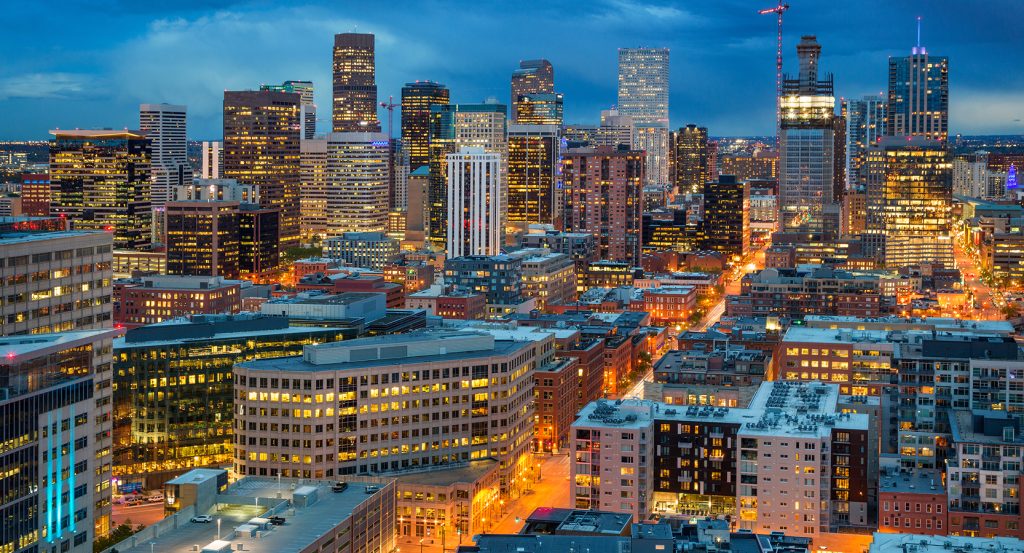
Why you should experience Lafayette Street in Denver, Colorado.
Lafayette Street is a distinguished Capitol Hill corridor where Victorian architecture, civic heritage, and cultural landmarks converge along one of Central Denver's most elegant residential streets.
Running through North Capitol Hill, Capitol Hill, and Cheesman Park between Uptown and Speer, this tree lined corridor connects beautifully preserved mansions, historic churches, neighborhood businesses, cultural institutions, and welcoming residential blocks that collectively showcase Denver's remarkable architectural evolution. Grand Queen Anne residences, architecturally significant civic buildings, mature tree canopies, locally owned cafés, landscaped parkways, and inviting public spaces create an urban landscape where generations of civic leaders, entrepreneurs, artists, educators, and families have shaped one of Denver's most admired historic neighborhoods. Lafayette Street developed during the city's late nineteenth century expansion, evolving into one of Denver's premier residential addresses while preserving an exceptional concentration of landmark architecture and neighborhood character. The result is a corridor defined by architectural distinction, historical significance, and enduring community vitality.
What you should know about Lafayette Street.
Lafayette Street is best known for being home to the Croke Patterson Campbell Mansion, completed in 1891 as one of Denver's finest surviving Richardsonian Romanesque mansions and designated a National Historic Landmark.
Designed by renowned architect Frederick J. Sterner for Thomas M. Patterson, a U.S. Senator, newspaper publisher, and influential civic leader, the mansion became a defining symbol of Denver's Gilded Age prosperity. Its hand carved sandstone, commanding towers, elaborate stained glass, and richly detailed interiors exemplify the craftsmanship that elevated Denver's residential architecture onto the national stage. More than a century after its completion, the mansion continues to anchor Lafayette Street as one of Colorado's most significant historic residences, preserving a remarkable chapter of the city's architectural and political history.
How to fold Lafayette Street into your trip.
Lafayette Street works as an exploration of Denver's architectural heritage, historic neighborhoods, and celebrated public spaces.
Begin at the Croke Patterson Campbell Mansion, where one of Colorado's most extraordinary Gilded Age residences immediately establishes the corridor's defining historical legacy. Continue toward the Molly Brown House Museum, where beautifully preserved Victorian interiors and the remarkable story of Margaret Brown provide broader perspective on Capitol Hill's extraordinary architectural heritage. From there, make your way to Cheesman Park, where sweeping lawns, mature trees, and panoramic skyline views provide a memorable conclusion while celebrating one of Denver's most iconic historic landscapes. Along the route, you'll encounter architecturally significant mansions, welcoming public spaces, thriving neighborhood cafés, historic churches, elegant residential streets, and beautifully preserved streetscapes that reveal the corridor's exceptional depth. The progression moves naturally from a National Historic Landmark to one of Colorado's most celebrated historic homes to a landmark urban park, demonstrating how Lafayette Street connects architectural excellence, civic history, and community life within the heart of Capitol Hill.
Where your story begins.
Foresyte Travel reveals places that feel extraordinary long before you arrive.
Experience premium editorial crafted for luxury travelers.