Why you should experience Little India Arcade in Singapore.
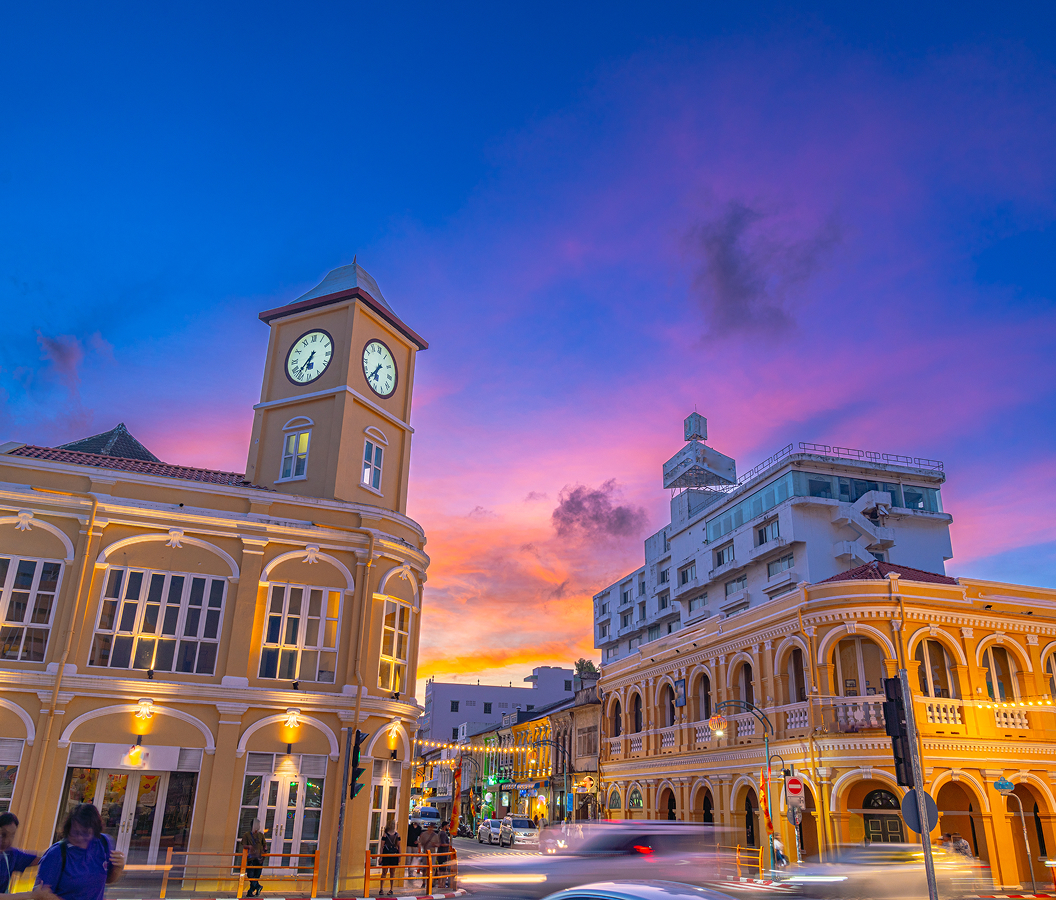
Step beneath the ochre arches of the Little India Arcade, and the modern city melts away, replaced by a labyrinth of color, scent, and sound that feels both timeless and intoxicating.
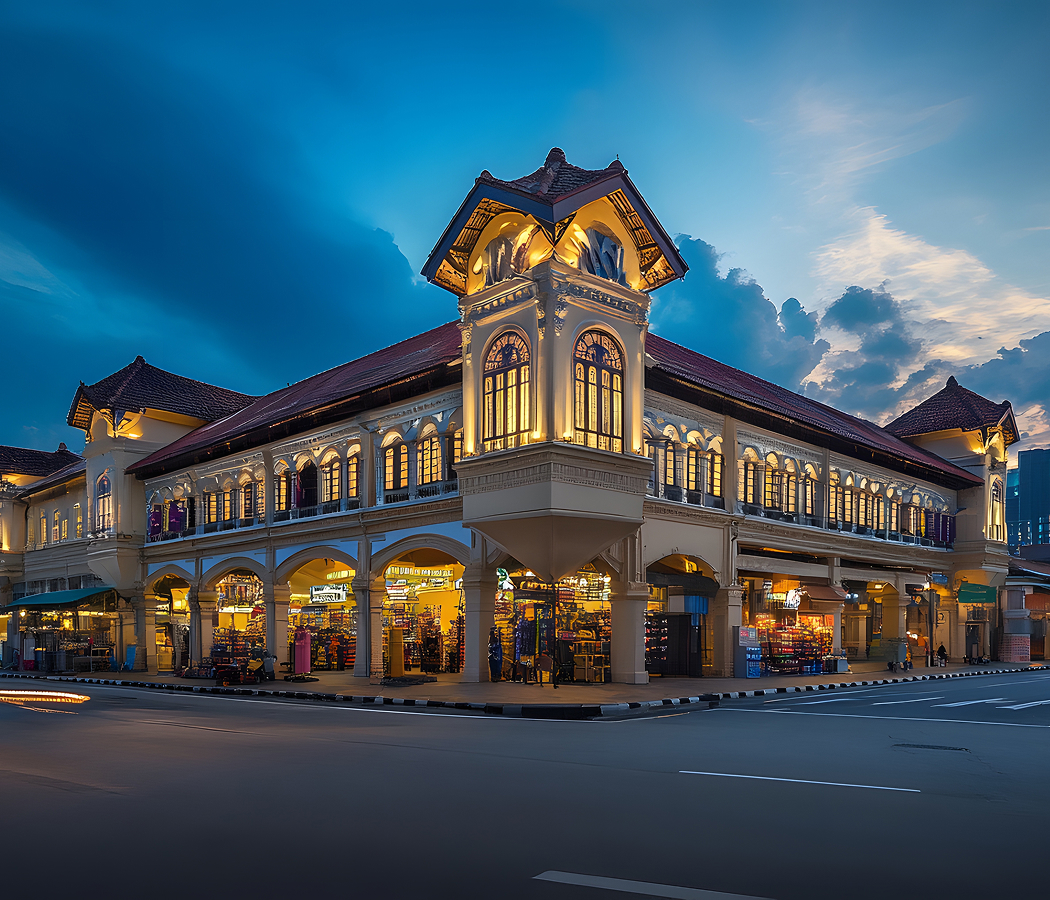
Housed within a row of restored 1920s shophouses, the arcade glows with the warmth of saffron and sunset, its lattice windows and wooden shutters casting honeyed light across the tiled floors. Inside, the air swirls with the perfume of jasmine garlands, sandalwood incense, and henna paste. Every corner hums with life: shopkeepers stringing marigolds, tailors trimming bright silk, the metallic chime of bangles colliding in drawers of gold and glass. It's an intimate marketplace, less chaotic than the open streets outside, yet no less alive, a place where tradition feels tactile, where you can touch culture in the hem of a sari, the coil of a bracelet, the smooth chill of carved sandalwood. Time moves differently here, slowly, richly, wrapped in the hum of conversation and the soft lilt of Tamil pop drifting through the air.
What you should know about Little India Arcade.
What most travelers never realize is that the Little India Arcade is a living bridge, a preserved fragment of colonial-era Singapore that now pulses as the cultural heart of one of its most energetic districts.
Originally built in 1913 as a cluster of commercial houses for traders and jewelers, the complex survived waves of urban renewal that erased much of early 20th-century Serangoon Road. When it was restored in the 1990s, care was taken to preserve every architectural flourish, the fanlights, the verandas, the hand-painted tiles, while reviving the spirit of communal trade that once defined the neighborhood. Today, it's not a tourist construct but a microcosm of continuity: Indian craftsmen, Malay perfumers, and Chinese merchants share walls and stories, blending traditions like pigments on a canvas. The henna artists who trace floral patterns on visitors' hands aren't performing, they're practicing an art passed down through generations. The sari shops aren't boutiques, they're living archives of color theory, fabric, and faith. To walk through Little India Arcade is to witness Singapore's oldest promise: coexistence as craft.
How to fold Little India Arcade into your trip.
To fold the Little India Arcade into your Singapore journey, step in with curiosity, and leave with something more than a souvenir.
Begin in the late morning, when sunlight pours through the colonnades and the shops are just opening. Let your senses lead the way, follow the scent of incense to a stall selling brass oil lamps, or the shimmer of silk to a shopkeeper eager to explain the meaning behind each pattern. Sit for a few minutes with a henna artist, the cool tickle of dye tracing your skin a quiet meditation in motion. Sample jaggery sweets or rose milk from a nearby stall, their sweetness grounding you amid the swirl of color. As afternoon deepens, step outside onto Serangoon Road and watch the city blur, temple bells, tuk-tuks, laughter. Turn back once more toward the arcade, glowing softly beneath its terracotta roof. In a city where the new often eclipses the old, the Little India Arcade endures as something rarer, a heartbeat preserved in architecture, proof that heritage isn't meant to be displayed; it's meant to be lived.
Where your story begins.
Foresyte Travel reveals places that feel extraordinary long before you arrive.
Experience premium editorial crafted for luxury travelers.