Why Magnolia Plantation and Gardens matters.
Magnolia Plantation and Gardens in Charleston is a living portrait of Southern beauty, resilience, and rebirth.
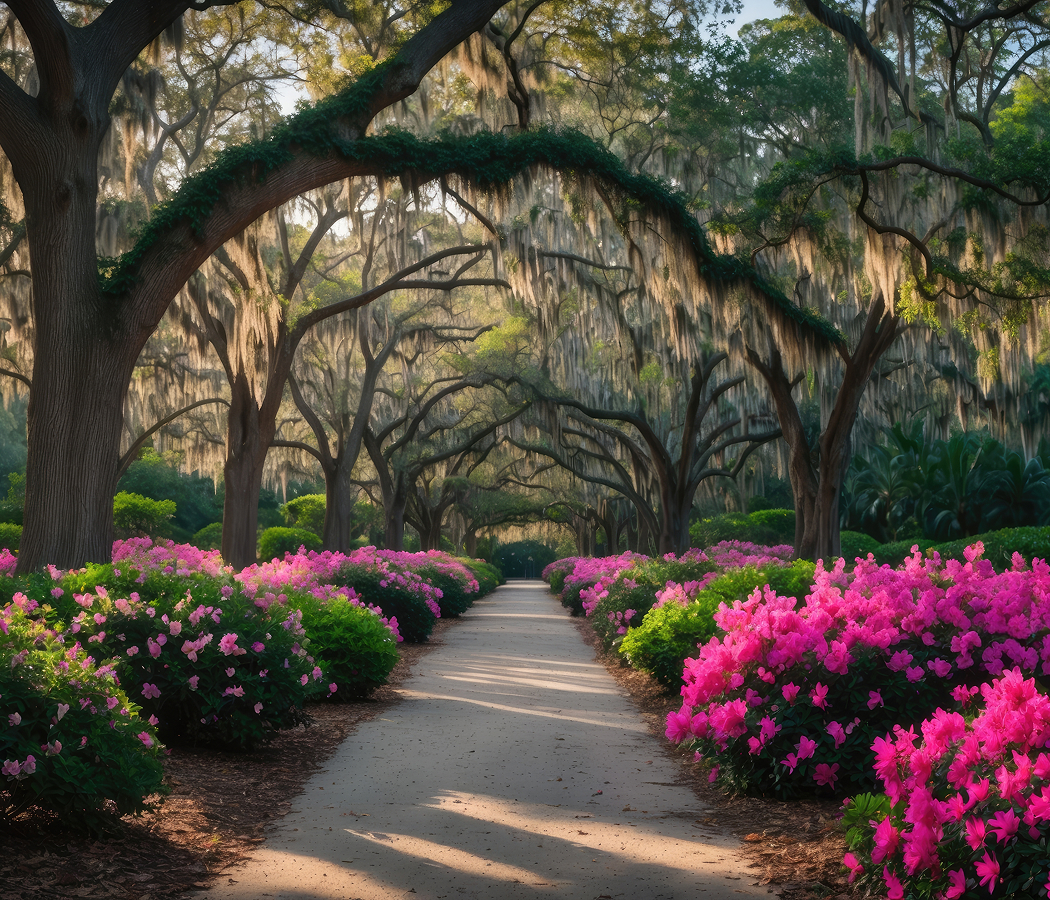
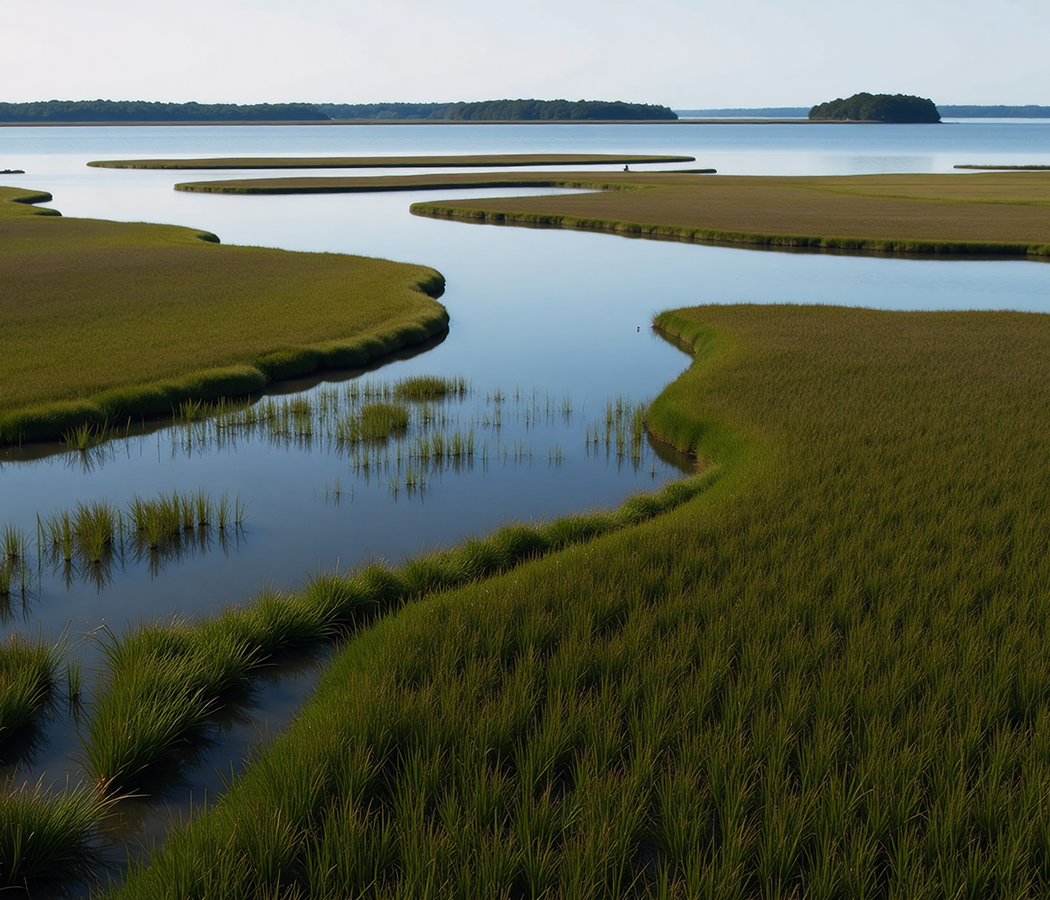
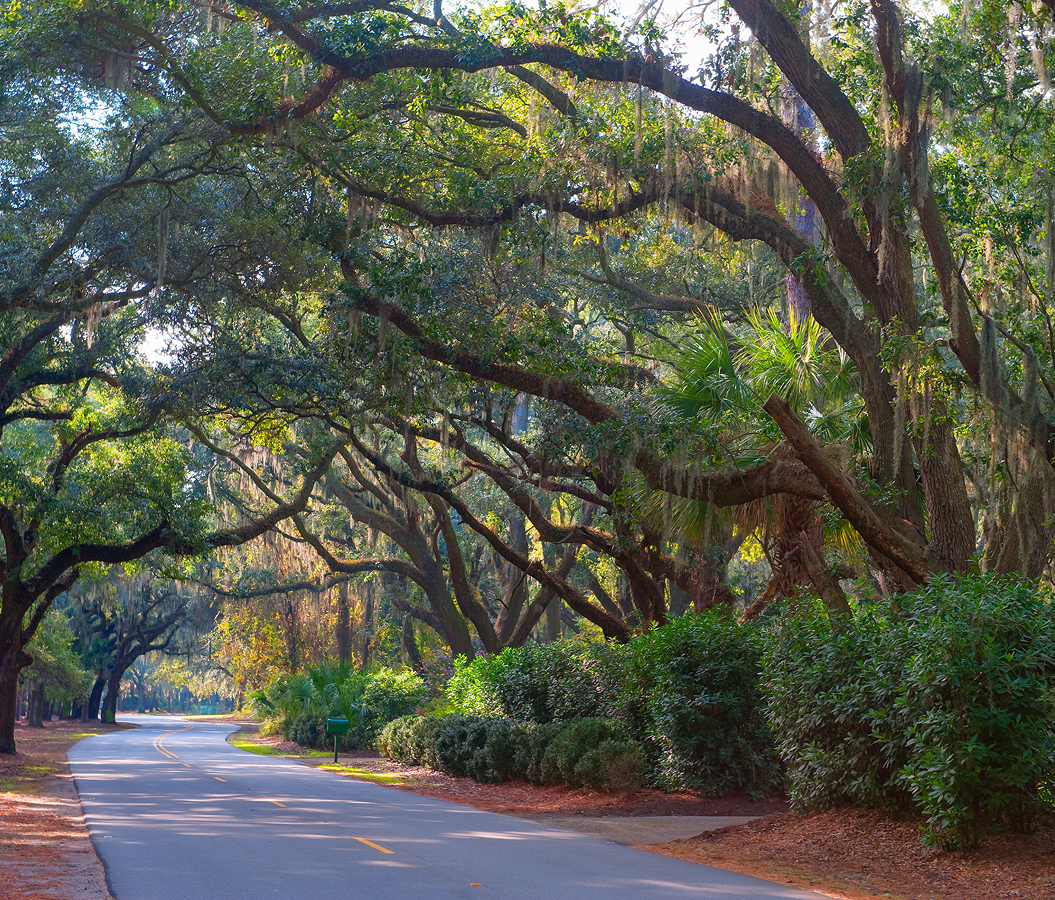
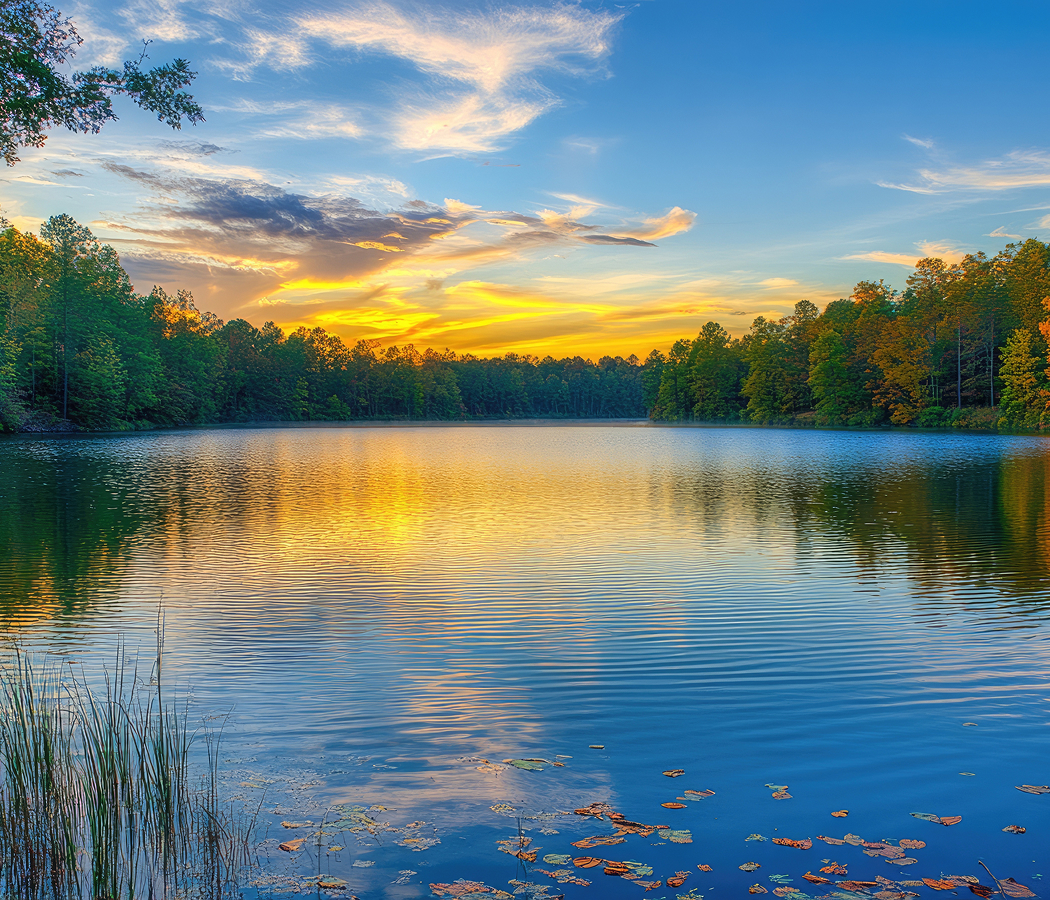
Founded in 1676 by the Drayton family, Magnolia is among the oldest plantations in the South and home to the oldest public gardens in America. Set along the tranquil banks of the Ashley River, this 500-acre estate is a place where history and nature intertwine, where centuries of triumph and tragedy bloom side by side. Spanish moss drapes from ancient oaks, camellias and azaleas explode in color across the landscape, and reflections shimmer in ponds once carved for rice cultivation. Unlike other plantations that emphasize grandeur and architecture, Magnolia is defined by its living canvas, a garden that feels untamed yet purposeful, wild yet deeply human. The plantation's main house, with its sweeping veranda and black shutters, overlooks this symphony of growth, its walls filled with artifacts and stories spanning generations. Here, beauty and history coexist in their rawest forms, a place both breathtaking and sobering, where the South's contradictions are laid bare in full bloom.
What defines Magnolia Plantation and Gardens.
Magnolia's beauty was not born from luxury, it was born from survival.
The estate began as a rice plantation in the late 17th century, its wealth built on the labor of enslaved Africans whose expertise in agriculture transformed the Lowcountry into one of the richest regions in colonial America. When the Civil War devastated Charleston, Magnolia's rice fields were abandoned, but the gardens, originally designed by the Drayton women, became its salvation. John Grimké Drayton, who inherited the property in the 1840s, shifted the plantation's focus from profit to preservation, opening the gardens to the public in 1870 as a gesture of renewal after the war's ruin. It was a revolutionary act for its time, transforming a symbol of the Old South into one of healing and inclusivity. The gardens themselves are not formal like those of Europe, but rather “Romantic,” designed to follow the natural curves of the land and evoke emotion. Bridges curve over reflective lagoons, sculptures peek from between magnolias, and every path seems to lead to a moment of quiet revelation. Many of the enslaved families who lived and worked on the property remained for generations after emancipation, their descendants helping to shape the Magnolia we see today. The plantation's preserved slave cabins, each meticulously restored, tell their stories with honesty and grace, a necessary counterpoint to the surrounding beauty. Few visitors realize that Magnolia also played a pioneering role in horticulture: it introduced the first public azalea gardens in America and helped popularize camellias across the South. The estate has survived wars, hurricanes, and economic collapse, but its essence has remained, a place of reflection, transformation, and endurance.
How Magnolia Plantation and Gardens fits.
A visit to Magnolia Plantation and Gardens offers one of the most moving and memorable experiences in Charleston.
Located just 25 minutes from downtown, it's best explored unrushed, with half a day to absorb its scope and serenity. Begin your visit with the main house tour, where guides share intimate stories of the Drayton family and the enslaved people whose hands shaped the estate. The house's interiors, filled with original furnishings and portraits, offer a glimpse into Charleston's layered past, elegant yet complicated. From there, step into the gardens, which unfold like a dreamscape of color and texture. The Audubon Swamp Garden, home to herons, egrets, and alligators, reveals the wild heart of the property and showcases how nature reclaimed what commerce once tamed. Wander across the white footbridges, pause by the mirrored ponds, and listen to the rustle of magnolia leaves overhead, a sound as timeless as the land itself. Visit the slave cabins to engage with Magnolia's deeper narrative, where interpretive displays trace the lives of those who built and sustained the plantation. For families, the petting zoo and nature tram tours add an interactive layer, while photographers will find endless inspiration in the blend of light and reflection. The best time to visit is spring, when azaleas and wisteria burst into bloom, but each season holds its own magic, from the golden hush of autumn to the moody reflections of winter. Before you leave, find a quiet bench overlooking the Ashley River. Watch the sunlight shift across the water and the breeze ripple through the reeds. In that moment, Magnolia Plantation and Gardens becomes more than a destination, it becomes a meditation on beauty's ability to endure, even in the shadow of history.
Where your story begins.
Foresyte Travel reveals places that feel extraordinary long before you arrive.
Enjoy editorial crafted for luxury travelers.
Foresyte may earn a commission when you book.