Why you should experience Mitchell Street in Atlanta, Georgia.
Mitchell Street is a historic Downtown corridor where commercial heritage, civic ambition, and architectural legacy converge along one of the city's oldest and most influential streets.
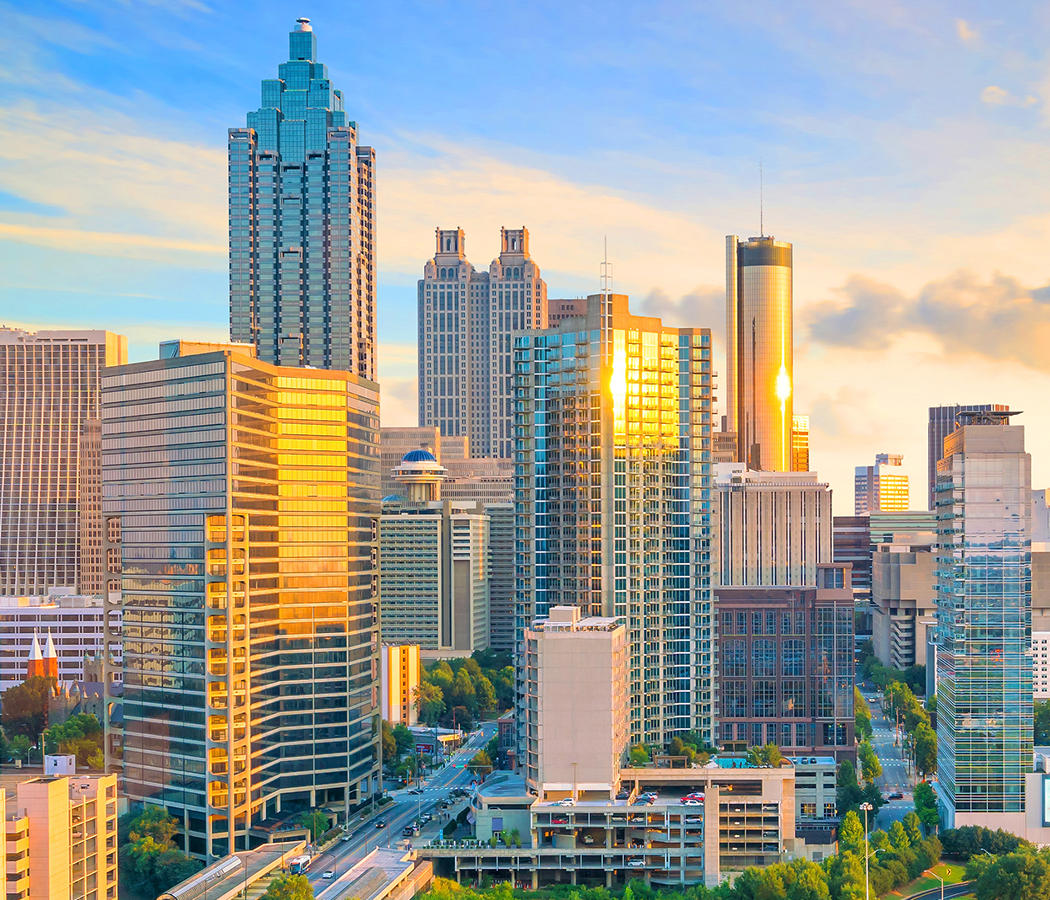
Running through Downtown between South Downtown and Castleberry Hill, this storied corridor connects historic office buildings, government institutions, restored commercial blocks, universities, churches, and cultural landmarks that have shaped Atlanta's civic and economic character since the nineteenth century. Early skyscrapers, Beaux-Arts architecture, preserved storefronts, and adaptive reuse projects create a streetscape where the city's commercial origins remain remarkably visible. As Atlanta emerged from a regional railroad town into the capital of the New South, Mitchell Street became one of its principal business corridors, welcoming merchants, financiers, attorneys, and civic leaders who helped define the city's remarkable rise. The result is a street defined by enterprise, preservation, and enduring historical significance.
What you should know about Mitchell Street.
Mitchell Street is best known for preserving the Fairlie-Poplar Historic District, where Atlanta constructed the Flatiron Building in 1897, five years before New York's Flatiron Building, making it among the oldest surviving steel-frame skyscrapers in the South and a landmark that symbolized the city's emergence as a modern commercial center.
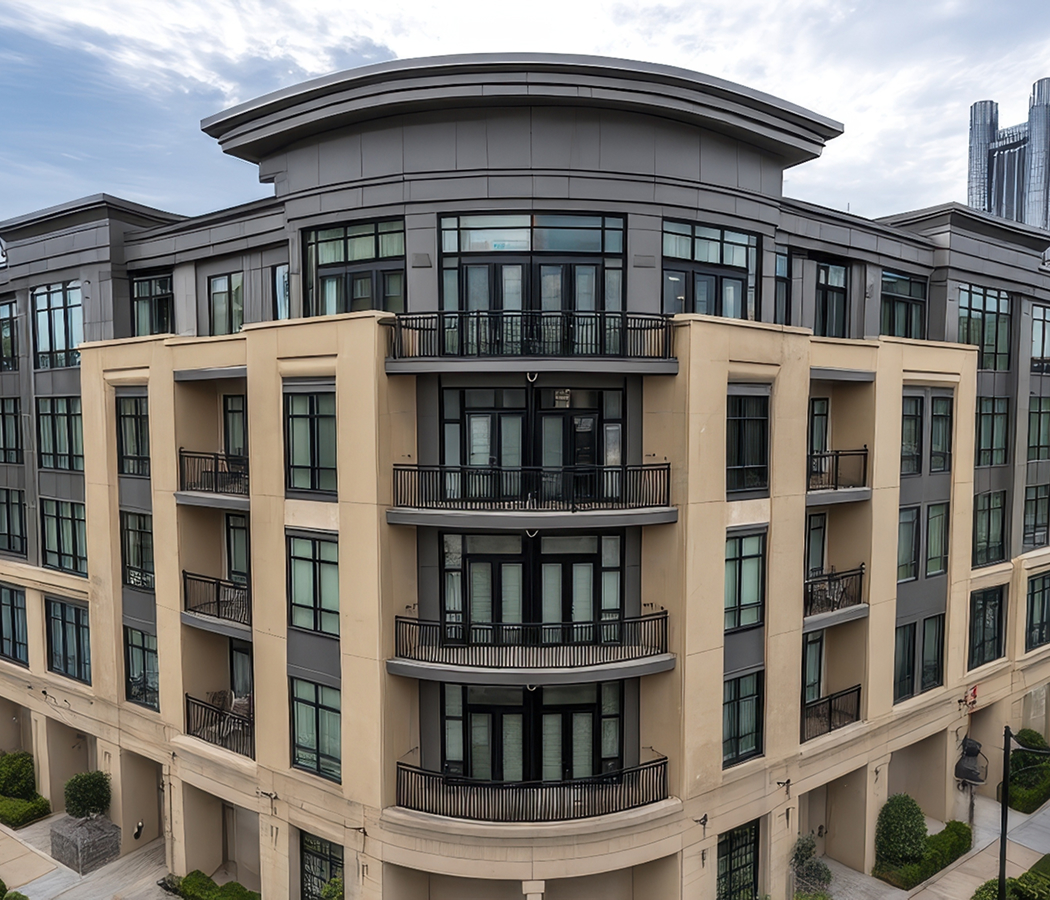
The construction of the Flatiron Building reflected Atlanta's extraordinary confidence during the closing years of the nineteenth century, when advances in steel-frame engineering allowed the city to build upward as its economy rapidly expanded. Mitchell Street soon became lined with banks, wholesalers, department stores, professional offices, and grand commercial buildings that established Downtown as the financial and retail heart of the Southeast. Much of this architectural legacy survives today through extensive preservation efforts that safeguard one of Atlanta's richest collections of late nineteenth- and early twentieth-century commercial architecture. Walking Mitchell Street provides an opportunity to experience the corridor where Atlanta first projected itself as a modern metropolis, preserving buildings that continue to demonstrate the city's remarkable transformation from railroad junction to regional capital.
How to fold Mitchell Street into your trip.
Mitchell Street works as an exploration of Downtown's architectural heritage, civic landmarks, and commercial history.
Begin at Fairlie-Poplar Historic District, where beautifully preserved commercial architecture immediately establishes the corridor's remarkable historical significance. Continue toward Georgia State Capitol, whose gold-domed landmark reflects Atlanta's enduring role as Georgia's political center. From there, make your way to Underground Atlanta, where restored historic blocks provide a broader perspective on the commercial district that flourished during the city's formative decades. Along the route, you'll encounter historic office buildings, grand façades, neighborhood cafés, public art, civic institutions, and pedestrian-friendly streets that demonstrate how Mitchell Street continues to preserve the architectural legacy of Atlanta's earliest business district. The progression moves naturally from historic commercial center to civic landmark to preserved entertainment district, revealing why Mitchell Street remains one of Downtown's most historically important corridors.
Where your story begins.
Foresyte Travel reveals places that feel extraordinary long before you arrive.
Experience premium editorial crafted for luxury travelers.