Why Moosjisee matters.
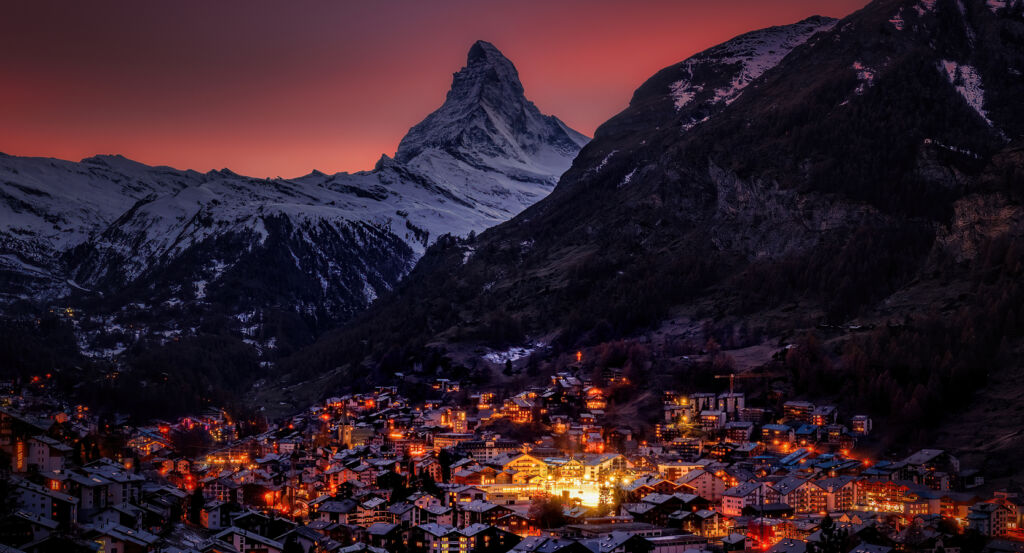
Moosjisee in Zermatt, Switzerland, is where the Alps show their modern heartbeat, a lake born of glacier and engineering, equal parts wild and deliberate, where nature and design flow together under the gaze of the Matterhorn.
Tucked between Furi and Blatten at 2,130 meters, this striking turquoise reservoir sits quietly along the hiking route that leads toward the Gorner Gorge and the Five Lakes Trail (5-Seenweg). At first glance, it looks otherworldly, its milky blue-green color the result of suspended rock flour carried from the Findel Glacier. Yet despite its man-made origin, Moosjisee feels as natural as anything in the Alps. The surrounding landscape hums with life: wildflowers, moss, and the sound of running meltwater tumbling down from the mountains above. The Matterhorn reflects faintly in its opaque surface, more suggestion than mirror, a reminder that beauty doesn't need perfection to captivate. It's a place for quiet wanderers, where the only crowd is the occasional hiker pausing to catch their breath or refill a bottle with fresh alpine water. In a region defined by postcard symmetry, Moosjisee stands apart, rugged, electric, and alive with the pulse of the glacier that feeds it.
What defines Moosjisee.
Though it feels serene and timeless, Moosjisee is a relatively young chapter in Zermatt's long discussion between progress and preservation.
Constructed as a hydroelectric reservoir, the lake plays an important role in Zermatt's energy ecosystem, capturing glacial melt to power turbines that supply clean electricity to the region. But unlike typical industrial reservoirs, Moosjisee has been integrated seamlessly into its alpine surroundings. Engineers used local stone and natural contours to shape the dam, creating a basin that looks as if it's always been there. Its distinctive color comes from “glacial milk,” a fine silt carried by meltwater, the same mineral-rich sediment that nourishes the lower valleys. Over time, mosses and alpine plants reclaimed the banks, softening the artificial lines and making the lake a haven for wildlife. Marmots whistle from the nearby slopes, trout glide beneath the opaque water, and birds trace lazy spirals overhead. The lake's name, Moosjisee, means “mossy lake,” a poetic nod to the verdant patches that hug its shoreline. For locals, it represents Zermatt's quiet genius, a reminder that progress doesn't always have to erase nature; sometimes, it can become part of it.
How Moosjisee fits.
Moosjisee rewards those who move slowly, travelers who know the value of a detour, a pause, or a moment spent.
Start from Zermatt and take the Sunnegga funicular up toward Blauherd, following the Five Lakes Trail in reverse, or begin from Furi on foot, a gentler route that threads through pine forest and open meadows. The hike is easy, 45 minutes each way, making it perfect for an afternoon walk or a scenic picnic stop. Bring a thermos or a book and settle by the lakeside bench, watching the light dance across the opaque surface as clouds drift across the Matterhorn's crown. For photographers, the best time is early morning, when the lake glows like jade beneath a thin mist. From Moosjisee, continue on to Gorner Gorge, Zum See, or Blatten, where rustic chalets serve rösti and mountain cheese beside rushing streams. In late summer, the lake's colors deepen as the glaciers release more silt, a final, fleeting masterpiece before autumn quiets the valley. Whether you stumble upon it mid-hike or seek it out with intention, Moosjisee feels like discovery, a modern Alpine secret hiding in plain sight.
Where your story begins.
Foresyte Travel reveals places that feel extraordinary long before you arrive.
Enjoy editorial crafted for luxury travelers.
Foresyte may earn a commission when you book.