Why Alte Nationalgalerie matters.
Alte Nationalgalerie stands like a dream of civilization carved in stone, poised on Museum Island's plinth as if lifted from a classical painting.
Its temple façade, framed by Corinthian columns and crowned with a bronze equestrian statue of Frederick William IV, declares what lies within: an ode to the human imagination. Crossing its sweeping staircase feels like entering a vision of 19th-century grandeur, and the transition from the modern hum of Berlin to its quiet marble atrium is almost cinematic. Inside, the museum unfolds as a love letter to Romanticism, Classicism, and early Modernism, a century of art that captures the soul of Europe in flux. Friedrich's melancholy landscapes dissolve into the mist, Menzel's industrial vigor hums with progress, and Renoir and Monet whisper of color's liberation. Every gallery feels intimate, bathed in natural light that glows against the patina of the walls. Alte Nationalgalerie doesn't just display paintings, it reveals how emotion, intellect, and beauty became the language of a new age.
What defines Alte Nationalgalerie.
Alte Nationalgalerie was born from revolution, literally.
Its founding collection began with donations from the banker and art collector Joachim Heinrich Wilhelm Wagener, whose 262 paintings were gifted to the Prussian state in 1861, just as Berlin was defining itself as a cultural capital. Architect Friedrich August Stüler, a disciple of Schinkel, envisioned the museum as a “sanctuary for art” where architecture and painting would harmonize. Completed in 1876, it became the first gallery dedicated to 19th-century art, long before such work was considered “historic.” During World War II, the building was badly damaged and its collection scattered, some hidden in salt mines, others lost to Soviet looting. Its postwar restoration returned it to glory, culminating in its 2001 reopening as part of Museum Island's UNESCO-recognized ensemble. Few realize that the museum also pioneered the concept of the “national collection”, gathering works by both German and international artists to reflect art's universal human spirit. It remains one of the most beautifully curated journeys through the 1800s anywhere in Europe.
How Alte Nationalgalerie fits.
Alte Nationalgalerie is best explored slowly, like reading a novel you don't want to end.
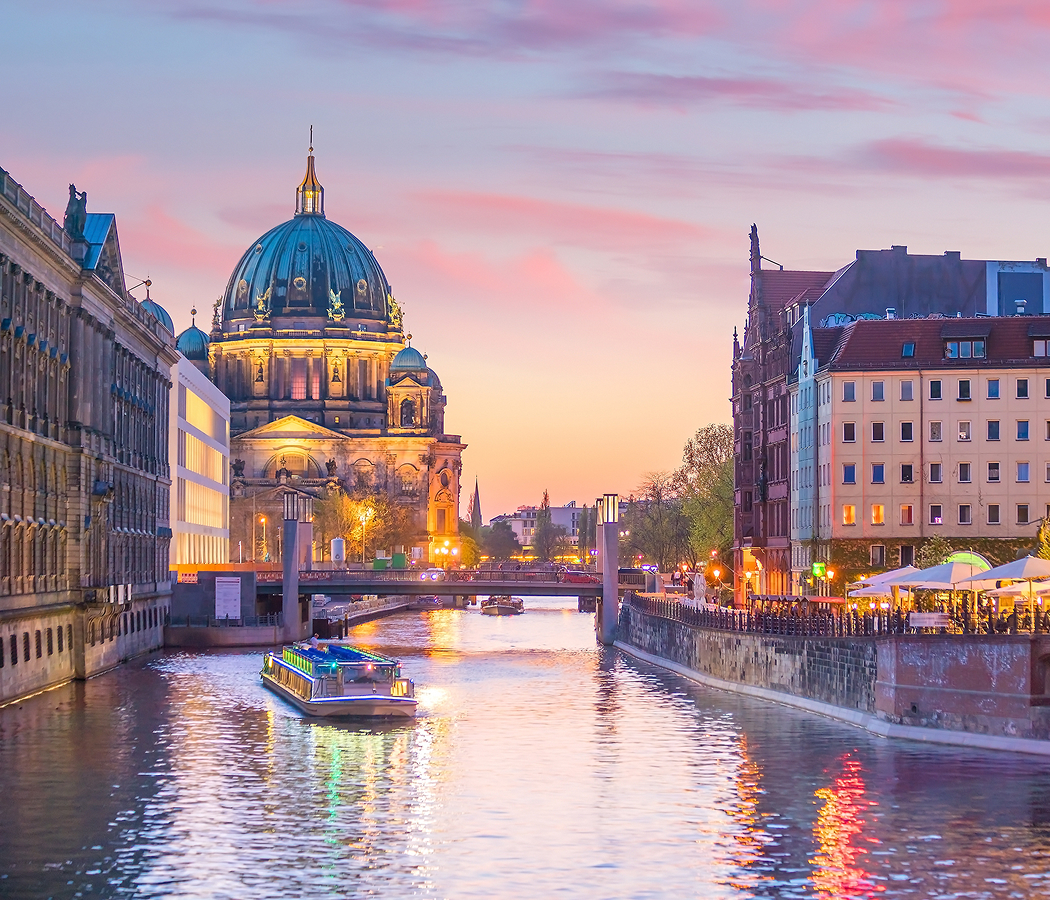
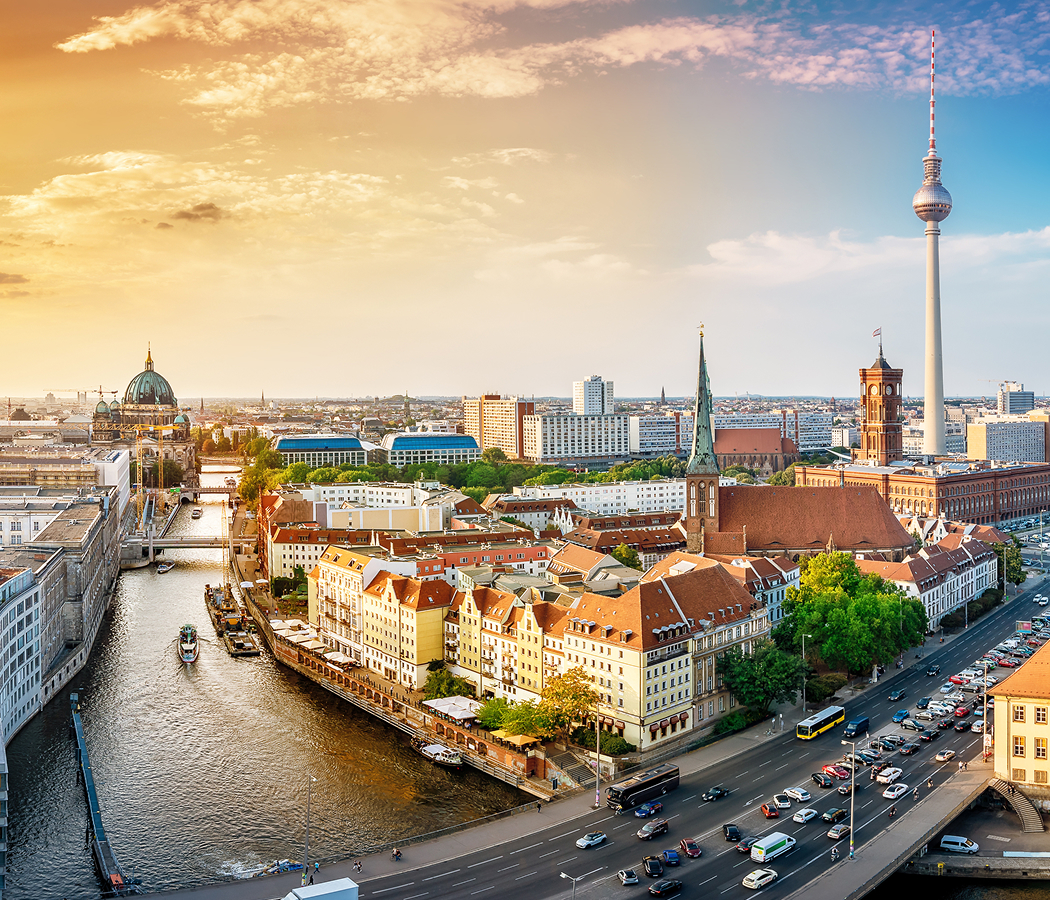
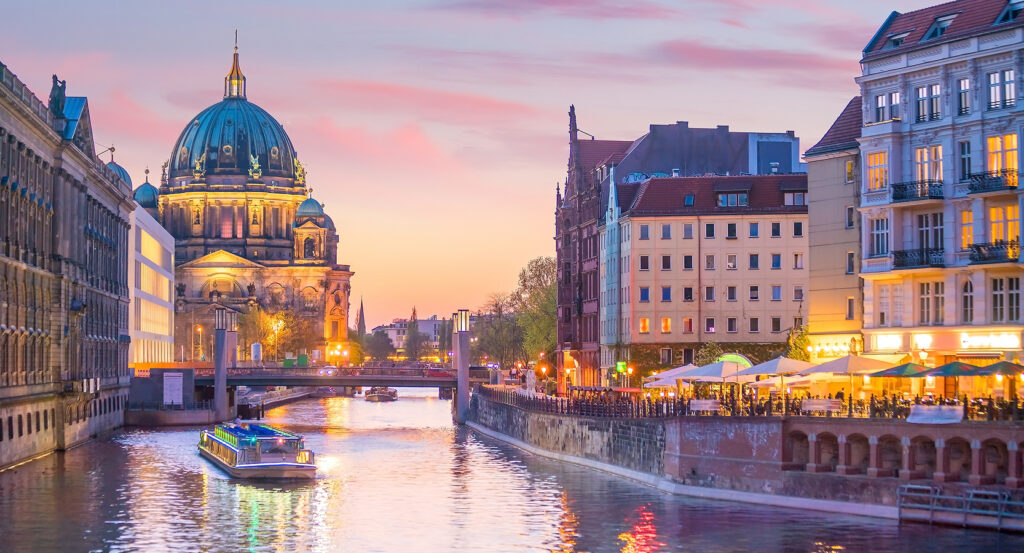
Begin on the ground floor with Neoclassical sculptures, Canova's grace and Thorvaldsen's serenity offer a gentle introduction before you ascend to the Romantic era above. There, Friedrich's Monk by the Sea and Schinkel's architectural fantasies frame the mood: introspection, awe, and longing. The upper galleries transition into the light of Impressionism - Liebermann's German modernity, Manet's Parisian elegance, and Rodin's expressive bronzes bridging eras. Plan for ninety minutes, though two hours allows you to linger where the light and brushwork move you most. For a perfect finale, step onto the museum's terrace overlooking the Spree and Berlin Cathedral, among the city's most peaceful views. From there, the hum of the river and the distant chime of trams remind you that beauty, like history, is never still. Alte Nationalgalerie is more than a museum, it's a meditation on time itself, and the enduring power of art to capture the human soul in motion.
Where your story begins.
Foresyte Travel reveals places that feel extraordinary long before you arrive.
Enjoy editorial crafted for luxury travelers.
Foresyte may earn a commission when you book.