Why Altes Museum matters.
The Altes Museum is where the ancient world meets neoclassical perfection, a building that feels as timeless as the treasures it protects.
Standing proudly on Berlin's Museum Island, it's more than a museum; it's a manifesto in stone, a declaration that art and intellect belong to everyone. As you approach its grand ionic colonnade, the city noise fades, replaced by the quiet gravity of Schinkel's vision, symmetry, proportion, and beauty united in a temple for human knowledge. Inside, marble gods and bronze heroes tell the story of Western civilization's awakening. The vast rotunda, inspired by the Pantheon in Rome, centers the experience, a space that seems to breathe antiquity, its light falling gently upon Greek and Roman statues whose faces have weathered two millennia. The Altes Museum doesn't overwhelm; it seduces, guiding you from the mythic calm of Greek sculpture to the imperial drama of Roman portraiture. Every corridor hums with the sense that the classical world never truly ended, it simply moved here.
What defines Altes Museum.
Completed in 1830, the Altes Museum was designed by Karl Friedrich Schinkel as part of King Friedrich Wilhelm III's vision to transform Berlin into a “city of the muses.”
It was the first public museum in Prussia and one of the earliest anywhere in the world built specifically to display art for the people. Its architecture became the blueprint for cultural institutions across Europe, a civic temple where citizens could encounter beauty and reason on equal footing. The museum's collections trace the dawn of classical civilization: Greek pottery painted with mythic tales, Roman busts that immortalize emperors and philosophers, coins that mark the passage of power. During World War II, the building suffered heavy bombing, leaving its rotunda roof destroyed and many artifacts displaced. Its postwar restoration was a triumph of both art and idealism, preserving Schinkel's original symmetry while weaving in subtle modern details. Few visitors realize that the Altes Museum was the seed from which all of Museum Island grew, the architectural and philosophical cornerstone of Berlin's cultural identity.
How Altes Museum fits.
Visiting the Altes Museum is best done with a sense of calm curiosity, it's not a race through history but a conversation with it.
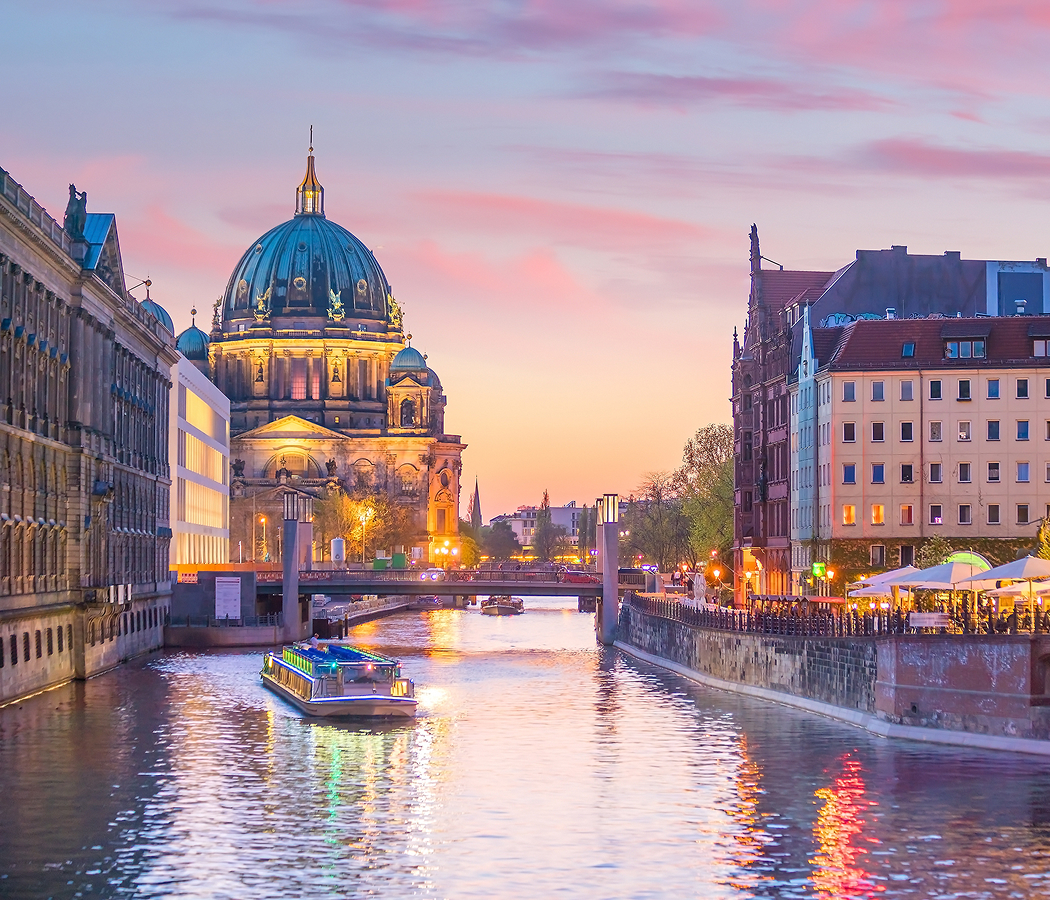
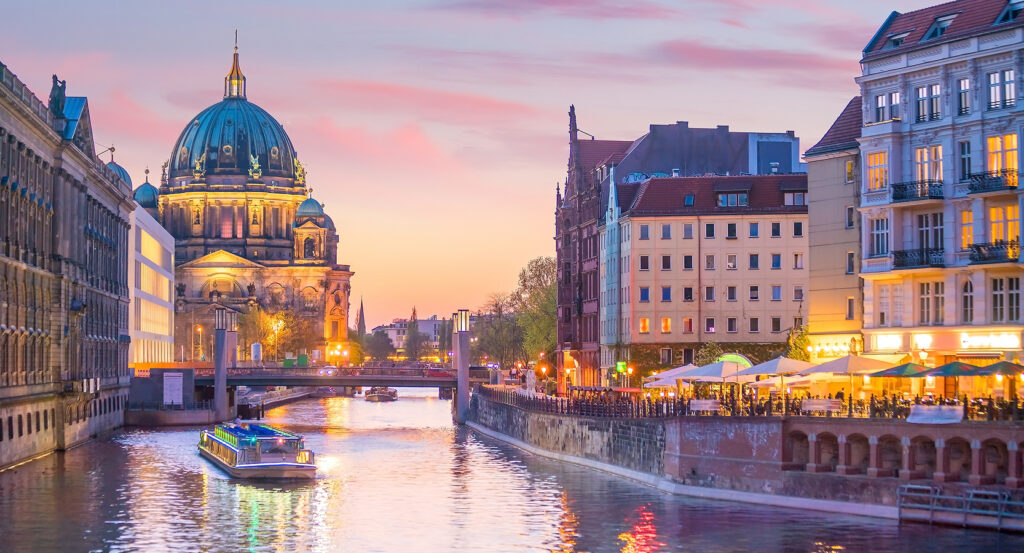
Begin in the rotunda beneath the soaring dome, where marble statues of gods and athletes circle you like silent teachers. Let your eyes adjust to the rhythm of the architecture, Schinkel's geometry was designed to slow the mind and focus the spirit. Move next into the Greek antiquities galleries, where amphorae, reliefs, and temple fragments tell the story of democracy's birth and art's ascent from myth. The Roman rooms that follow reveal another kind of grandeur, emperors carved in cold stone, their power still palpable after two thousand years. Plan ninety minutes to two hours, but linger if you can, the museum's scale rewards patience. Before leaving, step outside to Lustgarten and look back at the façade, its colonnade perfectly framing the Berlin Cathedral beyond. In that view, old meeting new, faith meeting reason, lies the essence of the Altes Museum: humanity's unending pursuit of harmony between beauty, knowledge, and the divine.
Where your story begins.
Foresyte Travel reveals places that feel extraordinary long before you arrive.
Enjoy editorial crafted for luxury travelers.
Foresyte may earn a commission when you book.