Why you should experience Pergamonmuseum in Berlin, Germany.
The Pergamon Museum is where the ancient world rises again, not in fragments, but in breathtaking, architectural scale.
As you step inside, you don't just view antiquity; you walk straight into it. The museum's vast halls reassemble entire monuments from the empires of Babylon, Greece, and Rome, life-sized reconstructions so grand they make you feel small in the most awe-inspiring way. The Ishtar Gate shimmers with lapis-blue tiles and striding lions, a procession that once led through Babylon's heart. The Market Gate of Miletus towers over visitors, every column and cornice reborn after centuries buried in the sands of Asia Minor. And though currently under restoration, the namesake Pergamon Altar, with its swirling marble frieze of gods and giants locked in eternal battle, remains one of the most powerful artistic achievements in human history. The experience is visceral. Each gallery feels like stepping through time's threshold, where the dust of empires has been swept aside to reveal their glory anew.
What you should know about Pergamonmuseum.
Built between 1910 and 1930, the Pergamon Museum was designed by Alfred Messel and Ludwig Hoffmann to showcase Germany's growing archaeological collections, and it became the physical example of Berlin's fascination with the ancient world.
Its centerpiece, the Pergamon Altar, was excavated in the late 19th century by German archaeologist Carl Humann from what is now Turkey, then meticulously transported and reconstructed piece by piece. The same grand approach shaped the museum's other halls, each one built to the exact dimensions of the artifacts it would house. But the museum's story is as dramatic as its architecture. Damaged heavily in World War II, it later found itself behind the Iron Curtain, and many artifacts were seized by the Soviet Union as “war trophies.” Some were returned, others remain in Russia's Hermitage and Pushkin museums to this day. The ongoing renovation, the most ambitious in the museum's history, is restoring the building's original grandeur and connecting it to the Archaeological Promenade, a vast underground corridor uniting all of Museum Island. Few visitors realize the scope of this vision: the Pergamon is being transformed not just as a museum, but as the centerpiece of a living archaeological complex that will redefine how Berlin tells the story of civilization.
How to fold Pergamonmuseum into your trip.
A visit to the Pergamon Museum demands time, patience, and a sense of wonder.
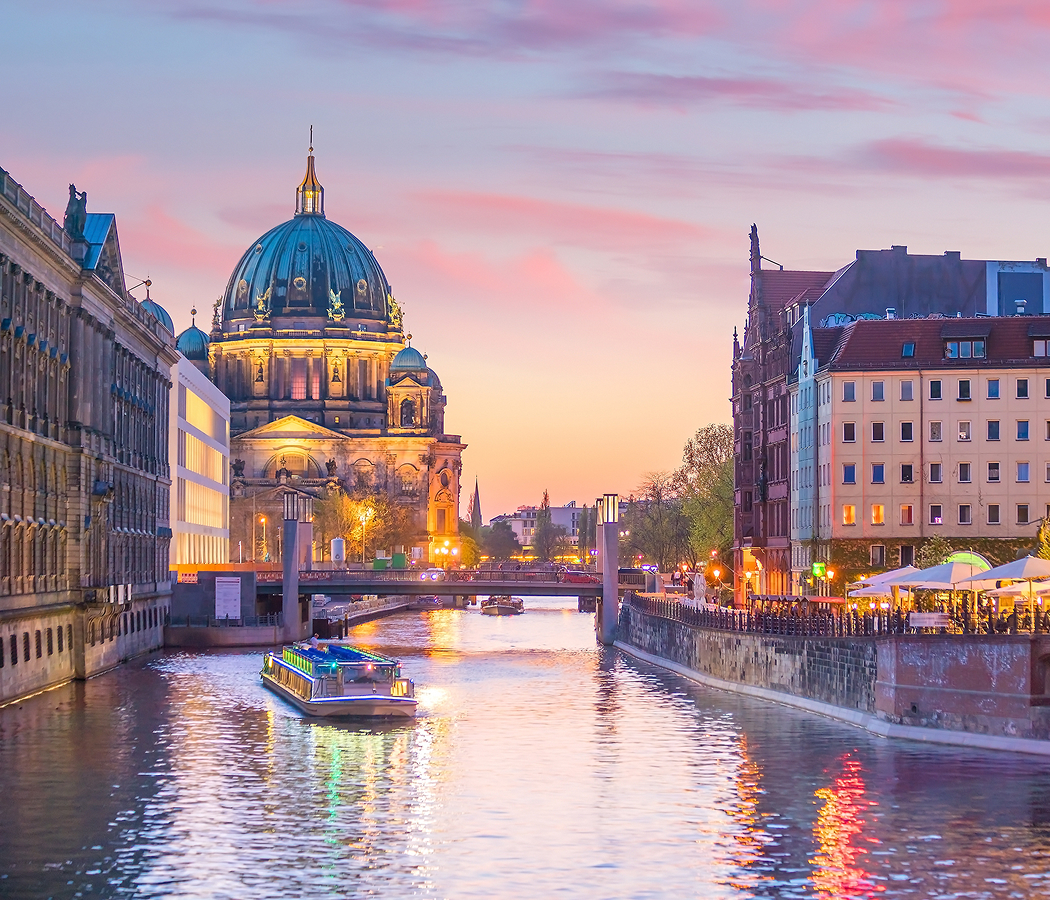
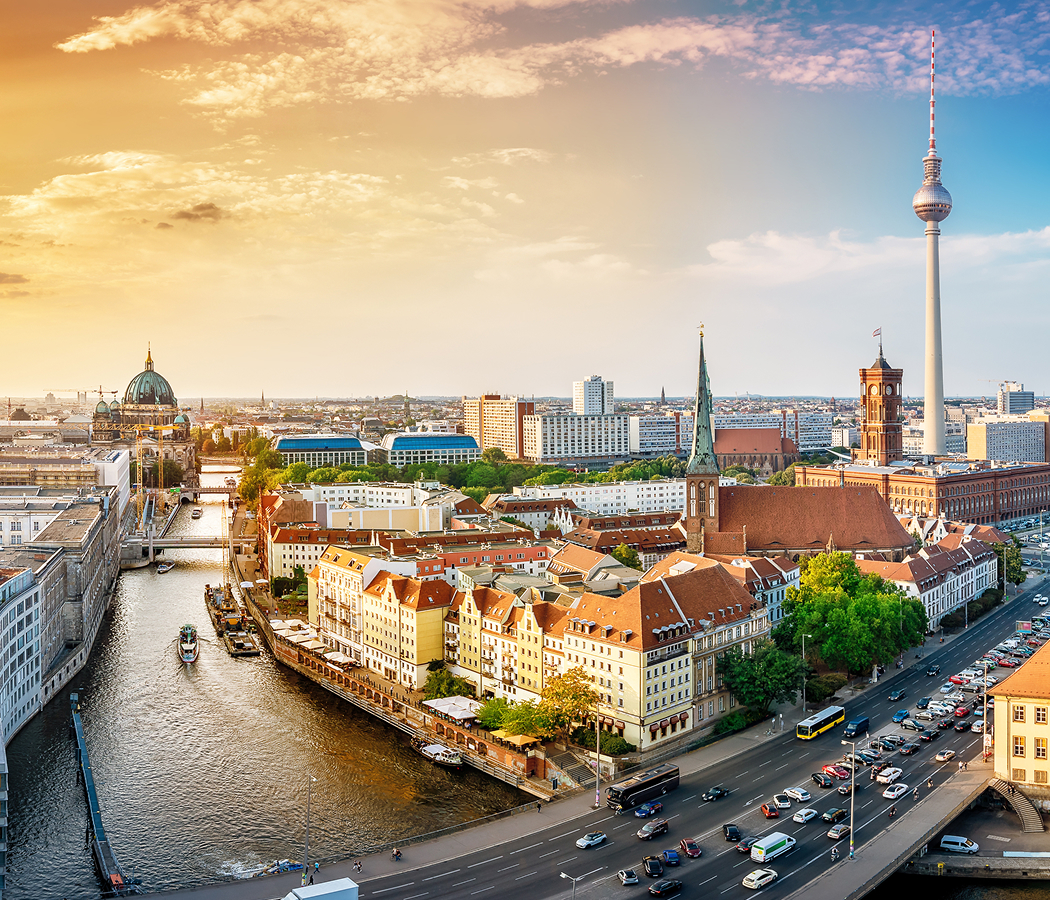
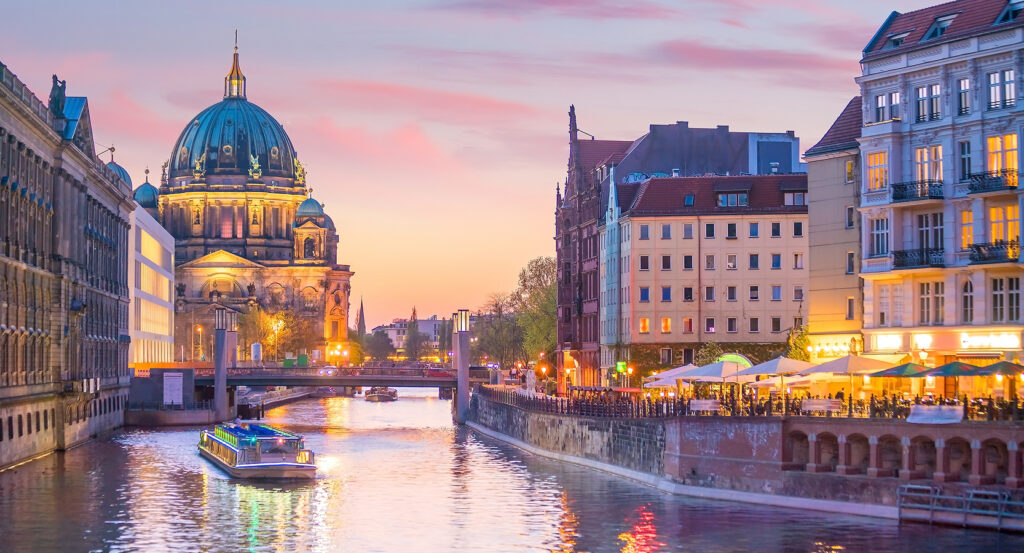
Begin with the Ishtar Gate and Processional Way, the museum's most dazzling entrance, its glowing blues and mythic beasts will transport you instantly to ancient Mesopotamia. Move next into the Miletus Hall, pausing beneath the reconstructed Market Gate's sweeping arches; it's one of the few places in the world where you can stand within a Roman marketplace brought back to life. If the Pergamon Altar remains closed for renovation during your visit, don't be discouraged, its fragments and digital exhibits offer a powerful glimpse into its narrative of divine struggle. Continue through the Islamic Art Museum, where intricately carved wooden ceilings, tilework, and the Aleppo Room reveal another layer of humanity's creative brilliance. Plan two hours, but ideally three, to explore at an unhurried pace. When you exit, step out onto the Spree embankment and let the city's skyline come into view, the dome of the Berlin Cathedral, the colonnades of Museum Island, the whisper of history in every stone. Visiting the Pergamon Museum isn't just sightseeing, it's standing face-to-face with the civilizations that built our world.
Where your story begins.
Foresyte Travel reveals places that feel extraordinary long before you arrive.
Experience premium editorial crafted for luxury travelers.