Why you should experience Myrtle Street in Atlanta, Georgia.
Myrtle Street is a historic Midtown corridor where academic tradition, residential charm, and urban vitality converge along one of Atlanta's most enduring neighborhood streets.
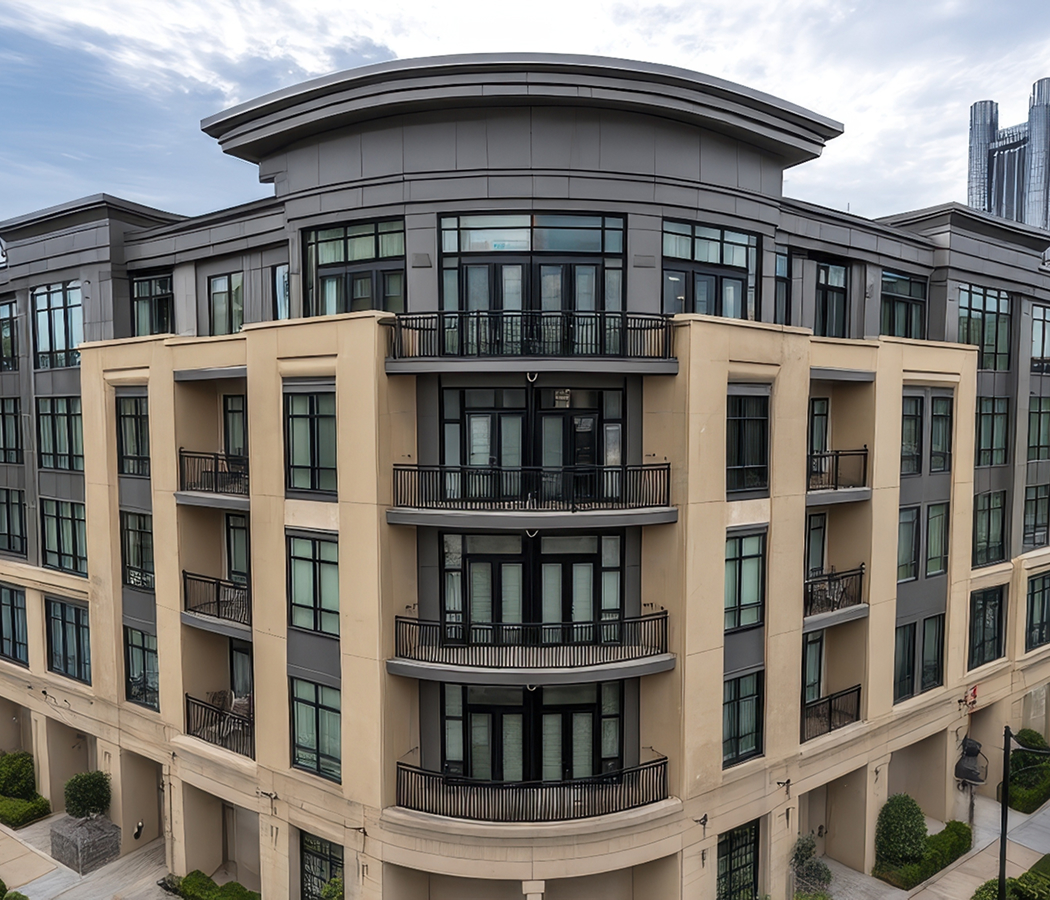
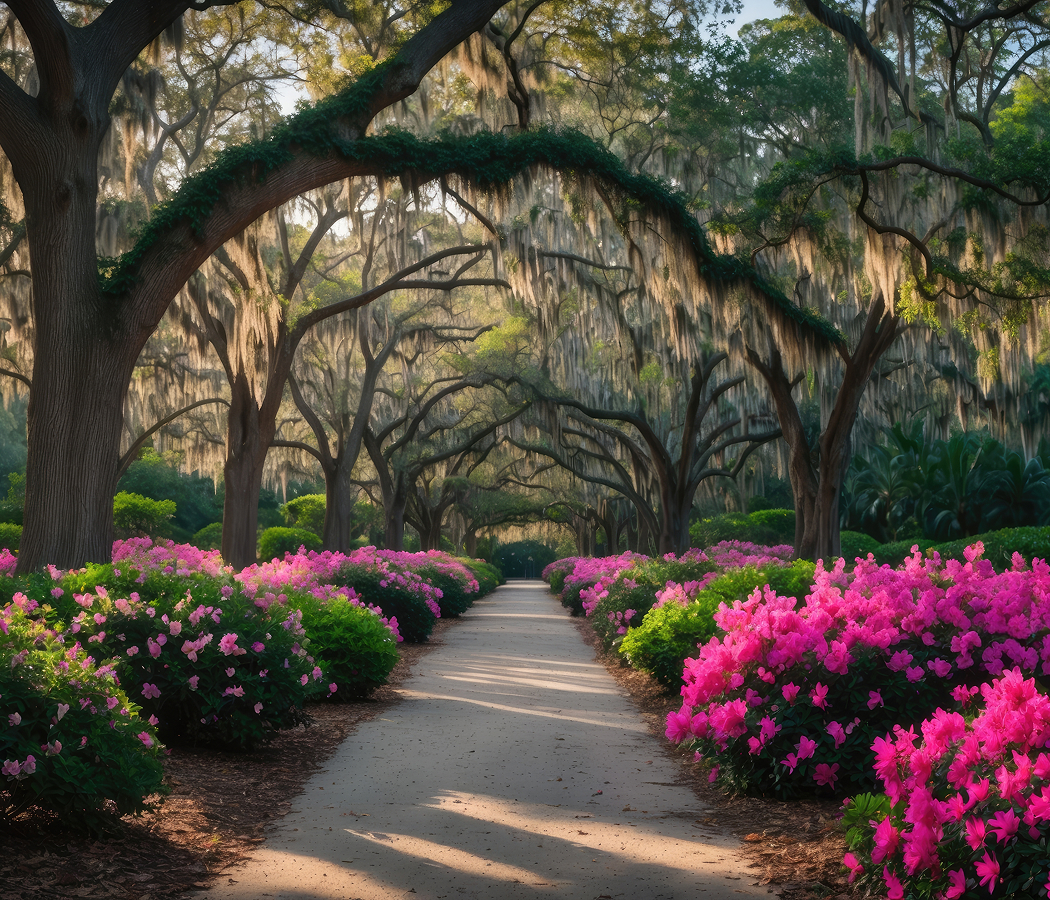
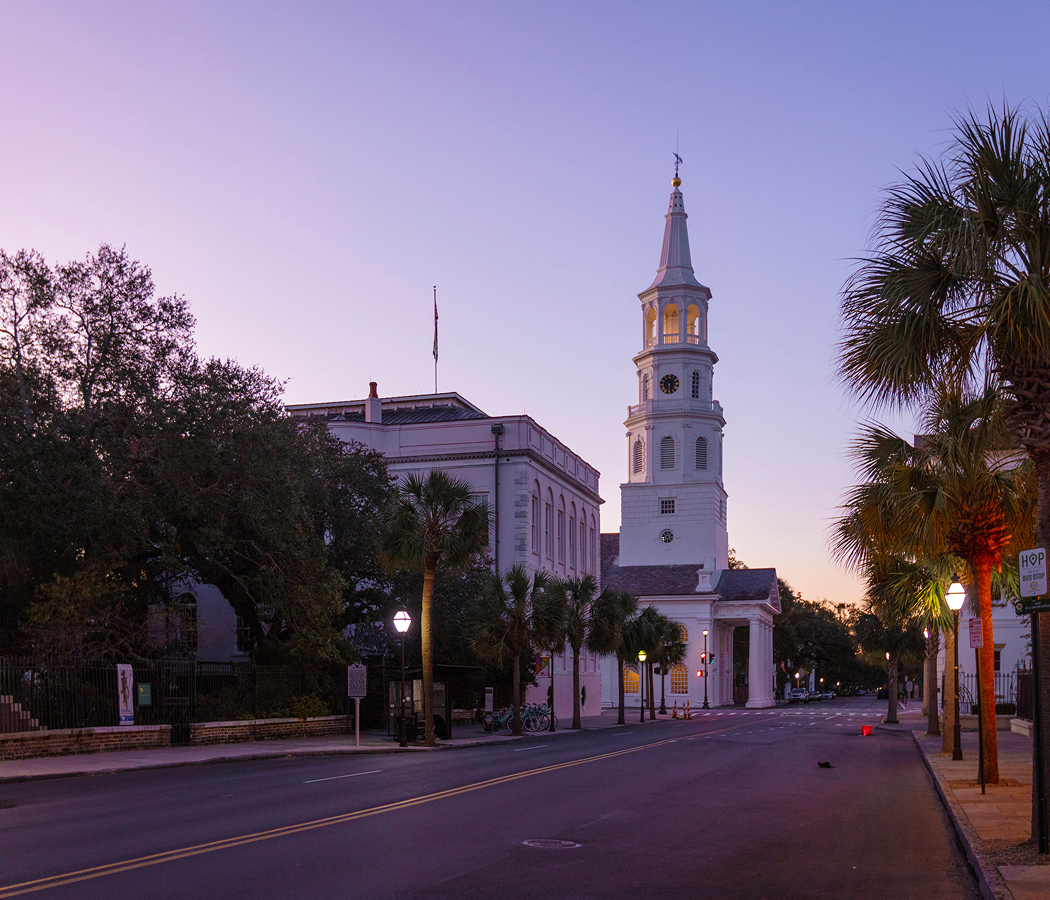
Running through Midtown between Downtown and Ansley Park, this tree-lined corridor connects Georgia Institute of Technology, historic apartment buildings, elegant residences, neighborhood cafés, cultural institutions, and walkable public spaces that have shaped Midtown's distinctive character for generations. Early twentieth-century homes, mature shade trees, contemporary residential towers, and inviting sidewalks create a streetscape where historic preservation and thoughtful urban growth comfortably coexist. As Midtown evolved from one of Atlanta's premier residential districts into a thriving center of education, culture, and commerce, Myrtle Street retained the neighborhood-scale character that continues to distinguish it today. The result is a corridor defined by architectural heritage, community life, and timeless urban appeal.
What you should know about Myrtle Street.
Myrtle Street is best known for passing through the Midtown Historic District, which preserves more than 650 contributing buildings dating primarily from 1890 to 1930, forming one of Atlanta's largest and most architecturally significant collections of late Victorian, Classical Revival, Colonial Revival, and Craftsman residential architecture.
The district documents Midtown's remarkable transformation from wooded residential subdivisions into one of Atlanta's most prestigious early neighborhoods during the city's period of explosive growth. Myrtle Street became one of the area's defining residential corridors, lined with elegant homes and apartment buildings occupied by business leaders, educators, architects, and civic figures who helped shape modern Atlanta. Unlike many American cities that lost substantial portions of their historic residential fabric during twentieth-century redevelopment, Midtown retained an exceptional concentration of architecturally distinguished buildings through decades of preservation advocacy and adaptive reuse. Today, Myrtle Street offers one of the city's most complete streetscapes for experiencing the architectural craftsmanship, neighborhood planning, and residential character that defined Atlanta during its emergence as the commercial capital of the Southeast.
How to fold Myrtle Street into your trip.
Myrtle Street works as an exploration of Midtown's architectural heritage, cultural institutions, and energetic neighborhood life.
Begin at Margaret Mitchell House, where the preserved residence of the Pulitzer Prize-winning author immediately introduces Midtown's remarkable literary legacy. Continue toward Fox Theatre, whose spectacular Moorish-inspired architecture showcases one of Atlanta's most celebrated historic landmarks. From there, make your way to Piedmont Park, where expansive greenspaces, skyline views, and lively gathering spaces provide a broader perspective on the neighborhood's enduring appeal. Along the route, you'll encounter beautifully preserved historic homes, neighborhood cafés, public art, mature tree-lined sidewalks, and inviting residential streets that demonstrate how Myrtle Street seamlessly connects Midtown's architectural legacy with its contemporary urban vitality. The progression moves naturally from literary landmark to architectural masterpiece to iconic urban park, revealing why Myrtle Street remains one of Midtown's most rewarding residential corridors.
Where your story begins.
Foresyte Travel reveals places that feel extraordinary long before you arrive.
Experience premium editorial crafted for luxury travelers.