Why National Textiles Museum matters.
National Textiles Museum in Kuala Lumpur is one of Malaysia's most elegant testaments to cultural craftsmanship, a place where fabric, history, and character are woven into one intricate narrative.
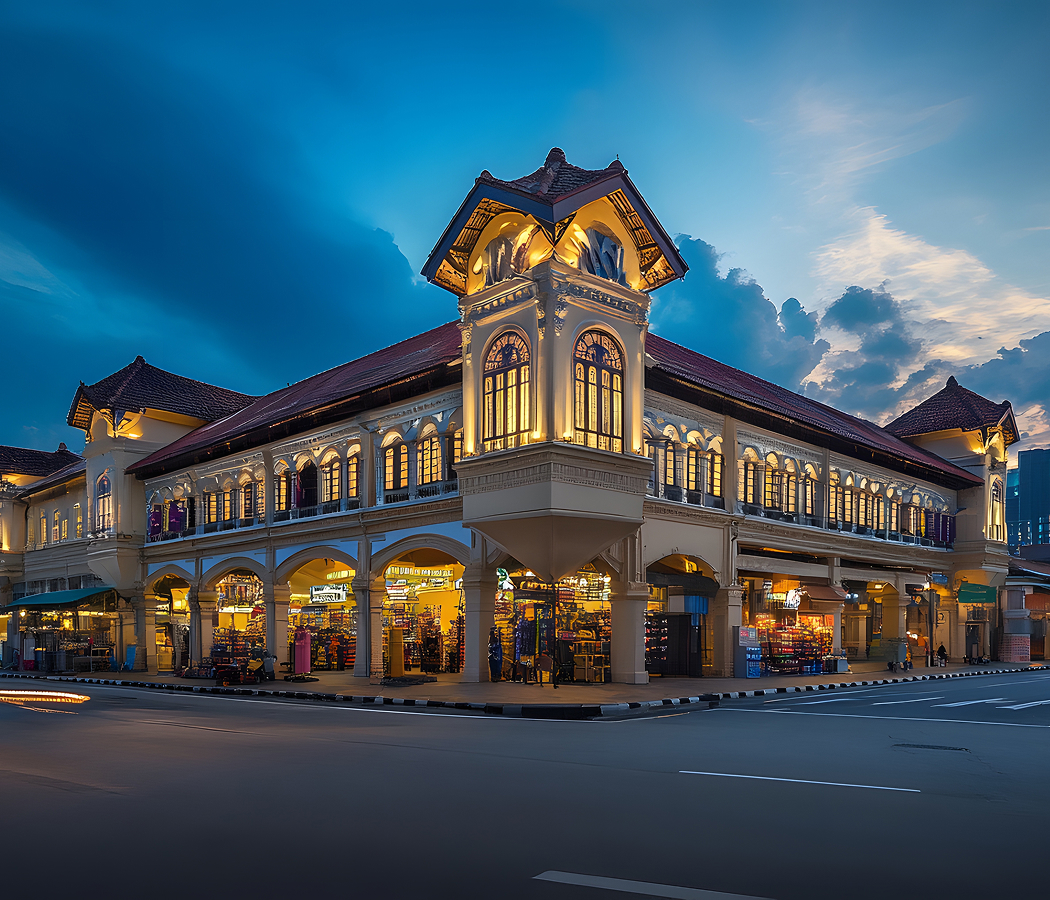
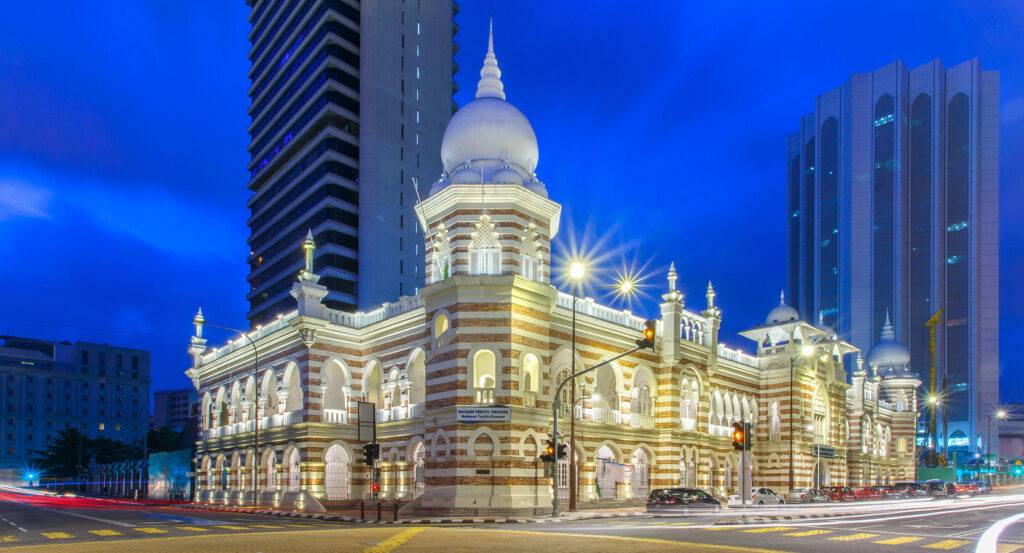
Set within a stunning Moorish revival building near Merdeka Square, this museum feels like a work of art even before you step inside. Its red-and-white striped façade, crowned with onion domes and horseshoe arches, recalls the grandeur of Malaysia's colonial architecture while hinting at the energetic heritage that lies within. Inside, the museum unfolds like a richly embroidered mosaic, tracing the story of Malaysia's textile traditions from ancient times to modern design. Exhibits are divided across multiple galleries, each exploring a different aspect of textile artistry, from royal songket and delicate batik to the beaded finery of Sabah and Sarawak. What makes National Textiles Museum truly special is its intimacy: it doesn't overwhelm, but rather draws you in with color, detail, and quiet reverence. Every display case hums with the rhythm of the loom, telling stories of identity, status, and ceremony through thread and dye. For travelers interested in understanding the soul of Malaysian design, this museum offers a rare glimpse into the artistry that shaped both clothing and culture.
What defines National Textiles Museum.
National Textiles Museum isn't just a celebration of fabric, it's a chronicle of Malaysia's evolution told through the textures of its people.
Opened in 2010, the museum occupies one of Kuala Lumpur's most historic landmarks, a building designed in 1905 by British architect A.B. Hubback, originally serving as the headquarters of the Federated Malay States Railway. The structure itself is a masterpiece, with its Indo-Saracenic architecture and elegant domes reflecting Malaysia's fusion of cultures. Inside, the exhibits reveal how textiles have served as both functional necessity and art form for centuries. The Pohon Budi gallery explores the origins of natural fibers, dyes, and traditional weaving techniques that connected local communities long before industrialization. Upstairs, the Pelangi gallery showcases batik and songket, two textile forms that became symbols of Malay cultural expression and status. Songket, woven with gold or silver threads, was once reserved for nobility and special ceremonies, while batik's wax-resist dyeing technique tells stories through patterns that vary from region to region. Another highlight, the Teluk Berantai gallery, focuses on the ceremonial uses of textiles, from wedding attire to religious garments, illuminating how fabric became central to social customs. Few visitors realize that the museum also plays a key role in preservation, partnering with artisans and cultural institutions to keep dying techniques alive through education and documentation. Its curators have assembled rare examples of heritage weaving, including pua kumbu from Sarawak and songket limar from Kelantan, pieces so intricate they can take months to complete. National Textiles Museum bridges past and present, offering not only history but also continuity, ensuring that the art of Malaysia's weavers endures for generations to come.
How National Textiles Museum fits.
A visit to National Textiles Museum works as part of a leisurely cultural day in Kuala Lumpur's historic center.
Start the journey at Merdeka Square, the symbolic heart of Malaysia's independence, where the museum sits just across from the Sultan Abdul Samad Building. Spend time admiring the museum's striking façade before stepping inside to escape the city heat and immerse yourself in the cool, quiet galleries. Allow an hour to explore each exhibit slowly, the storytelling is visual, detailed, and beautifully layered. Take note of the museum's layout, which guides you from raw materials to finished masterpieces, offering insight into every stage of production. Photography is allowed in most sections, so bring your camera to capture the intricate embroidery and shimmering metallic threads that define Malaysia's textile heritage. Before leaving, stop by the museum shop, which sells handmade batik scarves, woven accessories, and locally crafted souvenirs, a meaningful way to support contemporary artisans continuing these ancient traditions. From there, stroll along the heritage trail toward the Kuala Lumpur City Gallery or Masjid Jamek Mosque, both within walking distance, for a deeper look at the city's architectural and cultural layers. Visiting National Textiles Museum isn't just about admiring fabric, it's about understanding Malaysia's story through the threads that bind its people together. Here, art meets identity, and every stitch carries the weight of history, craftsmanship, and pride.
Where your story begins.
Foresyte Travel reveals places that feel extraordinary long before you arrive.
Enjoy editorial crafted for luxury travelers.
Foresyte may earn a commission when you book.