Why you should experience Old Sheldon Church Ruins in South Carolina.
Old Sheldon Church Ruins is one of America's most evocative historic sites where Yemassee's colonial heritage, Revolutionary history, and enduring architectural legacy preserve one of the South Carolina Lowcountry's most treasured sacred landscapes.
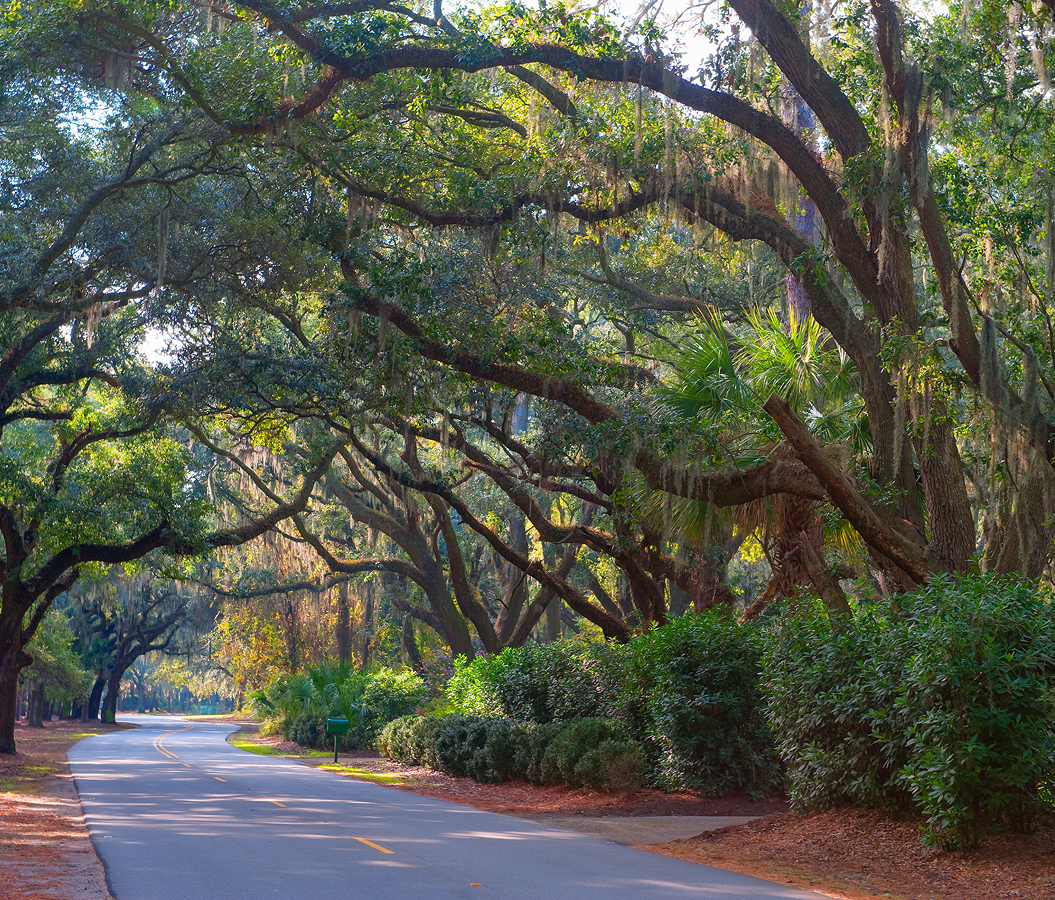
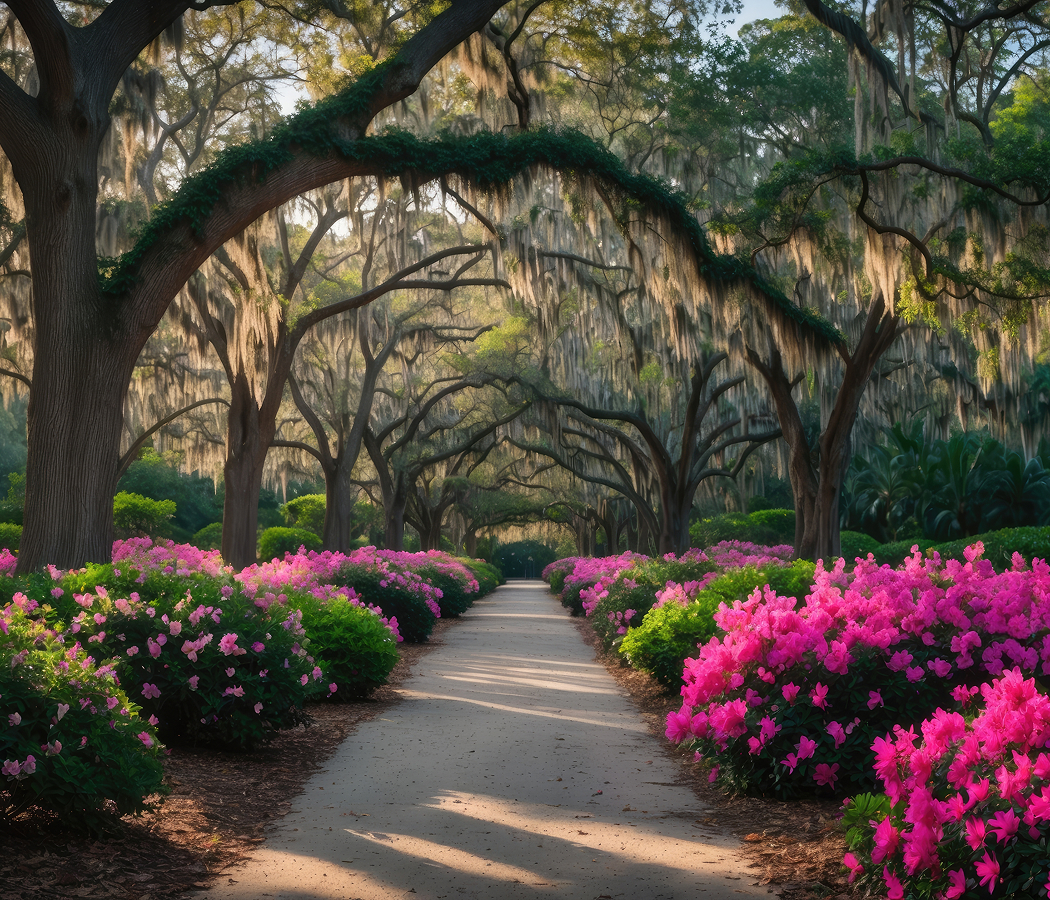
Set along Old Sheldon Church Road near Cotton Hall Road and just steps from the surrounding ACE Basin countryside, these soaring brick ruins rise beneath centuries-old live oaks draped in Spanish moss, creating an unforgettable setting where colonial architecture and American history remain inseparably intertwined. Towering porticoes, weathered masonry, and peaceful grounds reveal more than two centuries of resilience while preserving one of the finest surviving examples of Georgian ecclesiastical design in the South. The result is an experience defined by historical significance, architectural grandeur, and the timeless beauty of the Lowcountry.
What you should know about Old Sheldon Church Ruins.
Old Sheldon Church Ruins is best known as the remains of Prince William's Parish Church, constructed between 1745 and 1753 as one of colonial South Carolina's earliest and most ambitious Greek Revival-influenced Georgian churches, distinguished by its grand temple-front portico and among the first religious buildings in North America to employ such a classical architectural composition. Designed using locally produced brick with imposing Tuscan columns and refined Georgian proportions, the church served one of the wealthiest Anglican parishes in the colony before being burned by British forces under General Augustine Prevost during the Revolutionary War in 1779. Parishioners rebuilt the church in 1826, only for it to be destroyed once again in 1865 during General William T. Sherman's Carolina Campaign, leaving behind the striking brick shell that survives today. Listed on the National Register of Historic Places and recognized as a National Historic Landmark, the ruins preserve one of the South's most important surviving colonial ecclesiastical sites while reflecting more than two centuries of architectural achievement, war, religious life, and historic preservation.
The surviving portico, towering walls, and carefully conserved masonry provide exceptional insight into eighteenth-century craftsmanship while revealing the scale and sophistication achieved by colonial builders in the South Carolina Lowcountry. Archaeological investigations, preservation initiatives, and continuing historical research have deepened scholarly understanding of the church's construction, successive reconstructions, and role within colonial Anglican society, ensuring Old Sheldon Church Ruins remains one of the nation's most significant surviving examples of early American religious architecture.
How to fold Old Sheldon Church Ruins into your trip.
Old Sheldon Church Ruins works as part of an exploration through the South Carolina Lowcountry's colonial history and natural landscapes.
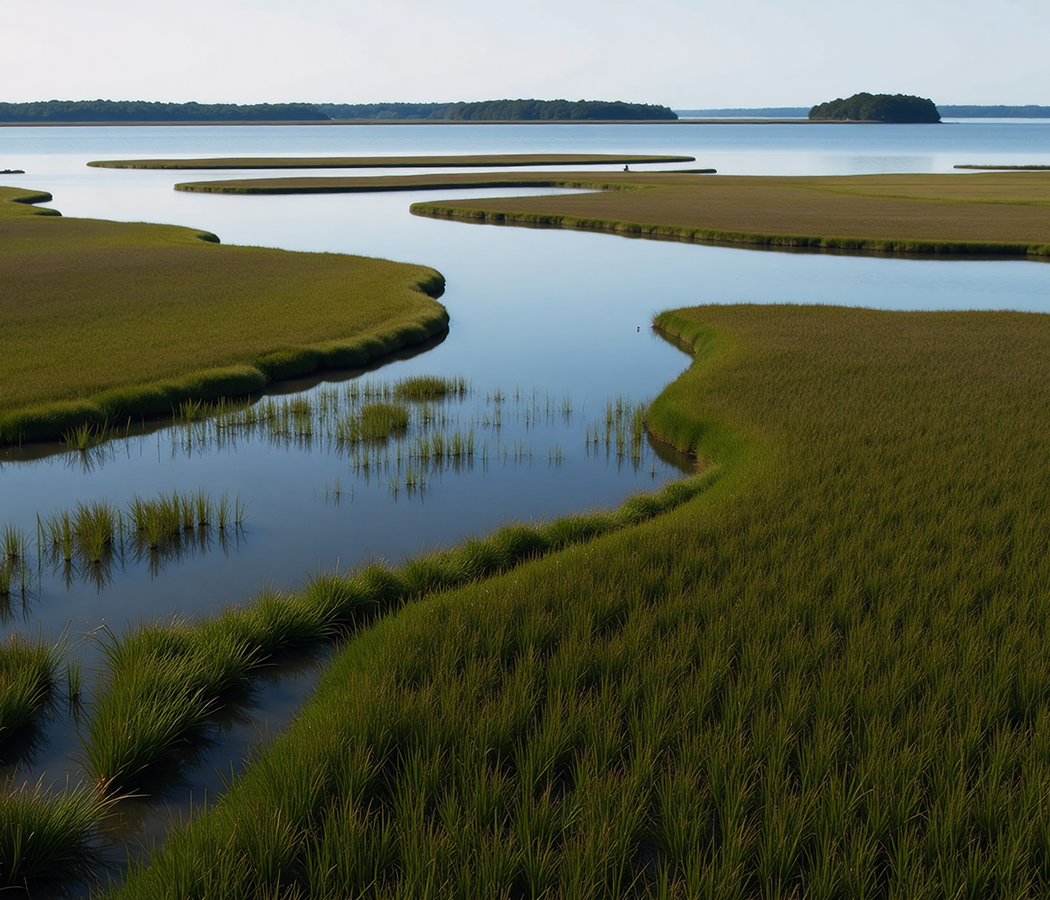
Begin at Sheldon Chapel, where the active parish continues the religious tradition established centuries earlier before continuing to Old Sheldon Church Ruins to experience one of America's finest surviving colonial church sites. Continue to Port Royal Sound Foundation Maritime Center, whose exhibits explain the coastal environment that shaped settlement throughout the surrounding Lowcountry. Conclude at Savannah National Wildlife Refuge, where expansive wetlands, migratory birds, and tidal landscapes provide a memorable finale celebrating the natural setting that has framed this region's history for generations. The progression moves naturally from living religious tradition to colonial history before concluding amid one of the Southeast's richest coastal ecosystems.
Where your story begins.
Foresyte Travel reveals places that feel extraordinary long before you arrive.
Experience premium editorial crafted for luxury travelers.