
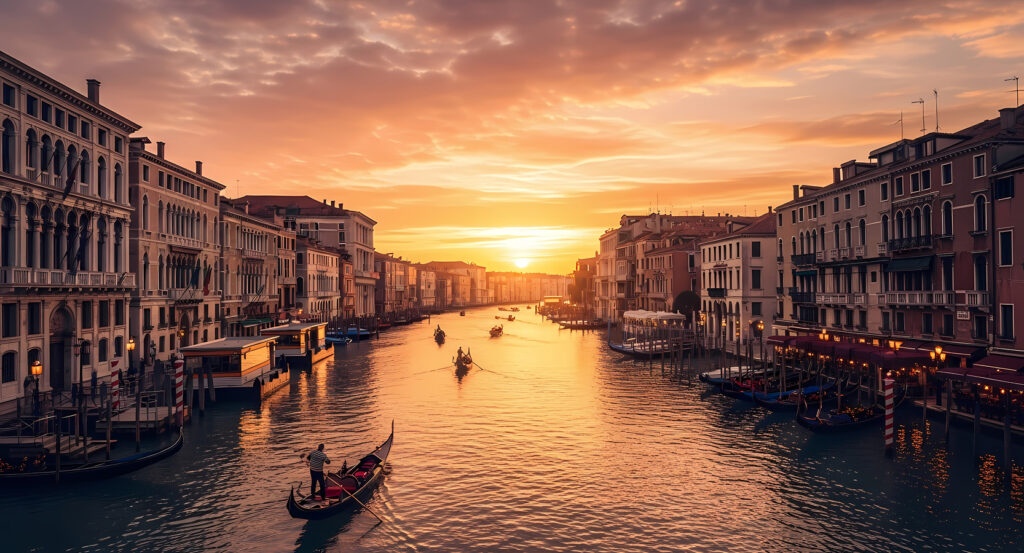
Why you should experience Palazzo Abadessa in Venice, Italy.
Palazzo Abadessa is Venice experienced through cultivated serenity and intellectual elegance, a stay where the city reveals itself slowly through gardens, silence, and the quiet authority of a historic scholarly residence.
Venice is often encountered through movement, bridges crossed, landmarks collected, canals navigated, but Palazzo Abadessa invites a different relationship entirely. Tucked within the Cannaregio district and set back behind its own private garden, the hotel feels intentionally removed from Venice's performative circuits. Arrival is discreet and calming. You pass through an understated entrance and are immediately absorbed into a world that feels inward-facing and composed, where the city's noise softens into background texture. Check-in unfolds with warmth and deliberation, establishing a tone that values patience, presence, and respect for space. From the first moment, it's clear that this is not a hotel designed to impress quickly; it is a place designed to be understood gradually. Public spaces reinforce this sense of cultivated stillness. Interiors are layered with antique furnishings, tapestries, and artworks that feel collected rather than curated, suggesting a lineage tied more closely to scholarship and private life than public display. Rooms flow organically into one another, encouraging slow movement and observation. Light filters gently through windows and across aged surfaces, reinforcing the feeling that time behaves differently here. The private garden is a defining feature, a rare Venetian refuge where greenery, stone paths, and quiet seating create a sense of enclosure and peace that feels almost monastic. It's a space that invites lingering rather than passing through, a place to read, reflect, or simply exist without agenda. Guest rooms continue this atmosphere of contemplative comfort. Rooms are generous, calm, and thoughtfully arranged, emphasizing rest and clarity. Beds are deeply comfortable, dressed in linens that feel substantial and reassuring. Lighting is soft and layered, allowing the room to support early mornings, afternoon rest, and evening quiet. Furnishings reflect the building's heritage with dignity, antique pieces, warm woods, and textured fabrics that create a sense of continuity. Many rooms look out onto the garden or quiet internal courtyards, reinforcing the sense of separation from the city's intensity. Sound here is minimal and organic; distant footsteps, a soft breeze, or muted city life drift in. Dining at Palazzo Abadessa aligns seamlessly with this reflective rhythm. Breakfast is unhurried and intimate, often enjoyed in garden-facing spaces that encourage slow mornings and conversation. Meals feel nourishing and deliberate, designed to support a day of thoughtful exploration. Dining areas maintain a residential scale, reinforcing the sense that you are a guest in a private home. Leisure at the hotel is defined by atmosphere and intention. The garden becomes a daily anchor, a place to return to between excursions or to linger at the start and end of the day.
What you should know about Palazzo Abadessa.
Palazzo Abadessa carries a legacy rooted in intellectual life and private residence, shaping an experience that feels scholarly, intentional, and deeply inward-facing.
The building's history as a refined Venetian residence informs every aspect of its present character, from its preserved architectural proportions to its emphasis on gardens and enclosed spaces. Rather than expanding or modernizing, restoration efforts focused on continuity, maintaining the building's original scale, flow, and material integrity. Antique furnishings and artworks were retained not as decorative statements, but as functional elements that reinforce the palazzo's lived history. Guest rooms were designed to honor this lineage, prioritizing acoustic calm, visual coherence, and comfort that feels earned. The garden itself reflects an older Venetian tradition of private green space as a site for contemplation and study, offering a rare counterpoint to the city's stone-dominated landscape. Service culture mirrors this heritage closely. Hospitality here is attentive, discreet, and deeply respectful of personal space. Interactions feel thoughtful rather than transactional, guided by an understanding that guests often choose Palazzo Abadessa precisely for its quiet authority and sense of retreat. There is no push toward novelty or reinvention; instead, the hotel remains steady and self-assured. Guests return because the experience does not change, it remains a place of calm intelligence, privacy, and understated refinement in a city that rarely slows itself down.
How to fold Palazzo Abadessa into your trip.
Palazzo Abadessa works best when you treat it as your contemplative anchor, the place where Venice becomes legible through stillness.
Begin your stay by allowing the hotel's environment to reset your expectations. Spend time in the garden or a quiet interior room before heading out, letting the pace slow. Use mornings for gentle exploration of Cannaregio, walking along quiet canals and local squares before the city fills with movement. Return for breakfast that feels restorative rather than rushed, then venture outward with intention rather than urgency. Midday exploration can unfold through museums, artisan workshops, or aimless wandering, followed by a deliberate return to the hotel to rest, read, or simply sit in the garden. Afternoons invite balance, reflection, planning, or unstructured observation before heading back out. Evenings are best kept restrained: a thoughtful dinner nearby, a slow walk back through softly lit streets, and time spent unwinding in the calm of your room as the city fades into background presence. Before departure, allow your final moments to remain uncompressed, a slow breakfast, careful packing, and a final pause in the garden that feels like acknowledgment. Over even a short stay, this approach transforms Venice from an overwhelming destination into a lived environment, and Palazzo Abadessa becomes not just accommodation, but the structure that allows the city's intellectual depth, quiet beauty, and enduring rhythm to fully register and remain.
Where your story begins.
Foresyte Travel reveals places that feel extraordinary long before you arrive.
Experience premium editorial crafted for luxury travelers.




















































































































