Why you should experience Palmaïa - The House of AïA in Mexico.
Palmaïa, The House of AïA is not a resort you stay at; it is a belief system you temporarily inhabit, a place where luxury abandons excess and instead becomes spiritual, intentional, and quietly radical.
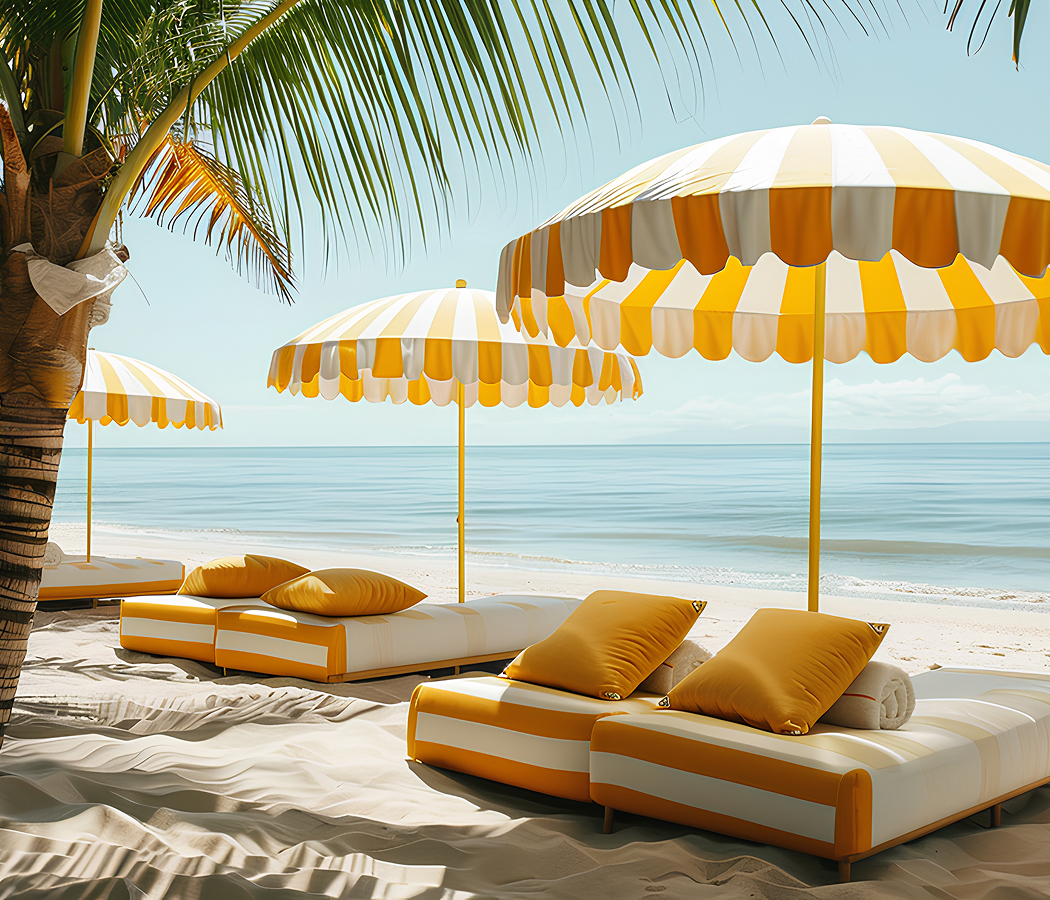
From the moment you arrive, it's clear this is not hospitality as you've known it. There is no performance of indulgence, no parade of options meant to overwhelm you into satisfaction. Instead, there is a softness, an immediate lowering of volume, of expectation, of the internal noise you didn't realize you were carrying. The jungle presses close. The ocean hums steadily. And Palmaïa does something few places dare to attempt: it asks you to feel first, decide later. Set along a pristine stretch of Riviera Maya coastline, Palmaïa exists at the intersection of nature, wellness, and philosophy. Architecture here is gentle, almost deferential. Buildings rise just enough to exist, never enough to dominate. Curves replace edges. Materials remain tactile and organic, stone, wood, linen, water, so that the resort feels grown. Movement through the property is fluid and unforced. Pathways curve. Spaces reveal themselves slowly. Nothing demands attention; everything invites presence. Your suite feels immediately grounding. Light filters in softly. Colors calm. Windows frame ocean, jungle, or sky. There is a sense that the space has been designed not to stimulate desire, but to remove distraction. Beds are indulgently comfortable. Outdoor spaces feel protected and private. You don't arrive and unpack, you arrive and exhale. Mornings at Palmaïa feel almost ceremonial. Light enters gradually. The air feels charged with salt and warmth. The day does not begin with schedules or announcements, but with choice: movement or stillness, silence or conversation, ritual or rest. Breakfast is nourishing, intentional, and plant-forward, not as ideology, but as care. Food here feels like alignment rather than indulgence, leaving you energized rather than weighed down. Afternoons unfold as a series of invitations. You might drift toward the beach, where the ocean feels expansive and uncrowded, or toward one of the many shaded sanctuaries tucked throughout the jungle. You may stumble upon a sound bath, a meditation circle, a breathwork session, or a creative workshop, not announced loudly, not pushed, simply available. Palmaïa's genius lies in how it offers depth. Participation is always optional, but meaning is always present. The spa experience here is not an escape from the resort, it is its resonant center. Treatments feel ancient rather than trendy, rooted in ritual and intention rather than indulgence. Touch is slow. Spaces are hushed. Time behaves differently. You leave not energized, but reorganized. As evening approaches, Palmaïa deepens. Light softens across the property. The ocean darkens. Communal spaces glow gently. Dining becomes a shared experience rather than a performance, meals that nourish body and conversation equally.
What you should know about Palmaïa, The House of AïA.
Palmaïa was conceived as a conscious counterculture to traditional luxury hospitality, rooted in the belief that well-being is not an amenity, it is the point.
Unlike resorts that bolt wellness onto indulgence, Palmaïa reverses the hierarchy entirely. Everything here, architecture, food, programming, service, is organized around nervous-system regulation. This is why the resort feels so different so quickly. There is no physical assault, no pressure to optimize enjoyment, no constant invitation to consume. Instead, Palmaïa removes friction, allowing guests to encounter themselves. Another lesser-known aspect of Palmaïa is how intentionally it decentralizes authority. There is no single “right” way to experience the resort. Guides, healers, and facilitators are present not as experts to be followed, but as stewards of possibility. You are trusted to choose your depth. This trust fundamentally alters the guest experience. You stop performing wellness and start living it. Service culture mirrors this character beautifully. Interactions are warm, respectful, and unintrusive. Staff do not upsell, interrupt, or direct. They support. Hospitality here feels collaborative rather than hierarchical, a subtle but profound shift. The culinary philosophy is equally intentional. Plant-forward dining is approached not as restriction, but as creativity and nourishment. Flavors are layered, satisfying, and generous. Meals leave you clear. Even indulgence feels clean here, as if pleasure has been detoxified of guilt. Palmaïa attracts a specific kind of traveler, though it rarely announces itself. Creatives in transition. Leaders in burnout recovery. Couples seeking reconnection beyond romance. Individuals questioning old rhythms and testing new ones. Many arrive skeptical, unsure how deeply they want to engage. Most leave surprised by how gently, and thoroughly, the place worked on them. Over time, Palmaïa reshapes how guests understand luxury itself. It stops being about escape, status, or excess and becomes about integration, how well your internal world aligns with your external environment. Palmaïa does not explain this philosophy in slogans. It allows stillness, ritual, and trust to do the work quietly.
How to fold Palmaïa, The House of AïA into your trip.
Palmaïa reveals itself fully only when you stop treating travel as achievement and allow it to become inquiry.
Arrive. Resist the urge to schedule every offering. Let mornings begin with breath. Move your body when it asks, not when a calendar suggests. Attend one ritual per day at most, allowing it to ripple outward. Spend time alone even if traveling with others, Palmaïa rewards solitude as much as connection. Let meals be slow. Let silence exist. Visit the spa mid-stay, not as climax, but as recalibration. Walk the beach. Sit longer than feels productive. As days pass, notice how your internal discussion softens. How your relationship to time loosens. How stimulation becomes less appealing than clarity.
Where your story begins.
Foresyte Travel reveals places that feel extraordinary long before you arrive.
Experience premium editorial crafted for luxury travelers.