Why Pecos Street matters.
Pecos Street is a historic West Denver corridor where neighborhood heritage, cultural landmarks, and community life converge along one of the city's most enduring north-south streets.
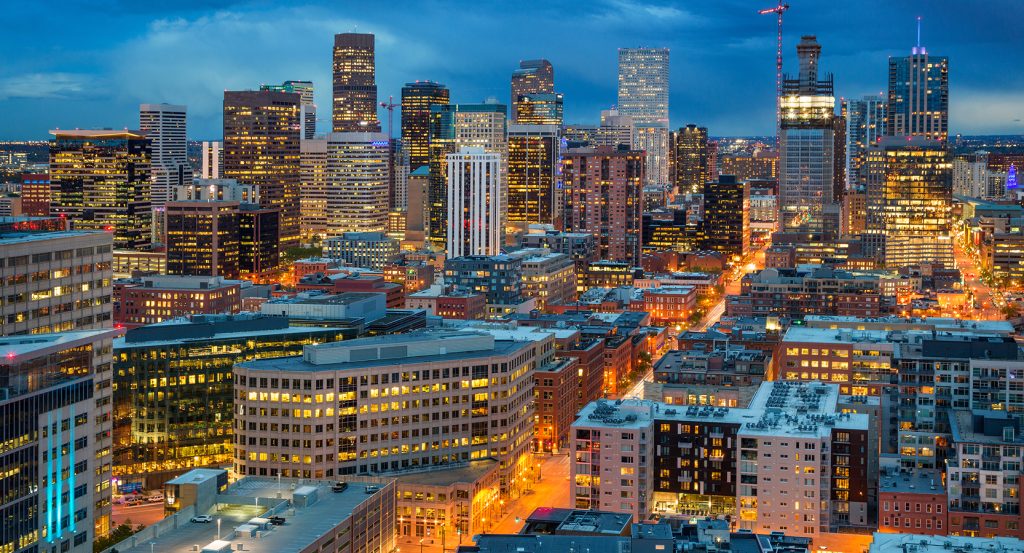
Running through Highland, Sunnyside, Chaffee Park, and Valverde between Berkeley and Sun Valley, this well-traveled corridor connects beautifully preserved residential neighborhoods, historic landmarks, neighborhood businesses, community parks, locally owned restaurants, and welcoming commercial districts that collectively showcase Denver's remarkable cultural evolution. Early twentieth-century homes, architecturally significant churches, independent retailers, neighborhood cafés, mature tree-lined streets, and energetic public spaces create an urban landscape where generations of immigrants, entrepreneurs, educators, and residents have shaped one of Denver's most authentic community corridors. Pecos Street developed during the city's streetcar-era expansion, evolving into an important connector between Northwest Denver's historic neighborhoods while preserving the cultural diversity and neighborhood character that continue to define the corridor today. The result is a street defined by historical significance, community resilience, and enduring local identity.
What defines Pecos Street.
Pecos Street is best known for being home to the Original Elitch Theatre, which opened in 1891 as the centerpiece of Elitch Gardens and is recognized as the oldest surviving summer stock theater building in the United States.
The theater quickly became one of the country's premier cultural venues, welcoming nationally acclaimed performers including Sarah Bernhardt, Douglas Fairbanks, and a young Grace Kelly before she achieved international fame. Its stage helped establish Denver as an important destination on the national performing arts circuit during the late nineteenth and early twentieth centuries, elevating the city's cultural reputation far beyond the Rocky Mountain region. Carefully preserved on its original site, the Original Elitch Theatre remains one of Colorado's most significant performing arts landmarks, giving Pecos Street an enduring connection to the golden age of American theater and one of Denver's most remarkable cultural legacies.
How Pecos Street fits.
Pecos Street works as an exploration of Denver's historic neighborhoods, performing arts heritage, and scenic parks.
Begin at the Original Elitch Theatre, where one of America's oldest surviving theatrical landmarks immediately establishes the corridor's defining cultural legacy. Continue toward Chaffee Park, whose welcoming green spaces, mature trees, and neighborhood gathering areas provide broader perspective on the residential communities that have flourished along Pecos Street for generations. From there, make your way to Rocky Mountain Lake Park, where peaceful waterfront trails, panoramic Front Range views, and abundant birdlife provide a memorable conclusion while celebrating one of Northwest Denver's most beloved outdoor destinations. Along the route, you'll encounter architecturally significant historic buildings, welcoming public spaces, thriving local businesses, neighborhood cafés, beautifully maintained residential streets, and community gathering places that reveal the corridor's exceptional depth. The progression moves naturally from a nationally significant historic theater to a neighborhood park to a scenic urban lake, demonstrating how Pecos Street connects performing arts history, community life, and outdoor recreation within the heart of Highland.
Where your story begins.
Foresyte Travel reveals places that feel extraordinary long before you arrive.
Enjoy editorial crafted for luxury travelers.
Foresyte may earn a commission when you book.