Why you should experience Punta Maroma in Quintana Roo, Mexico.
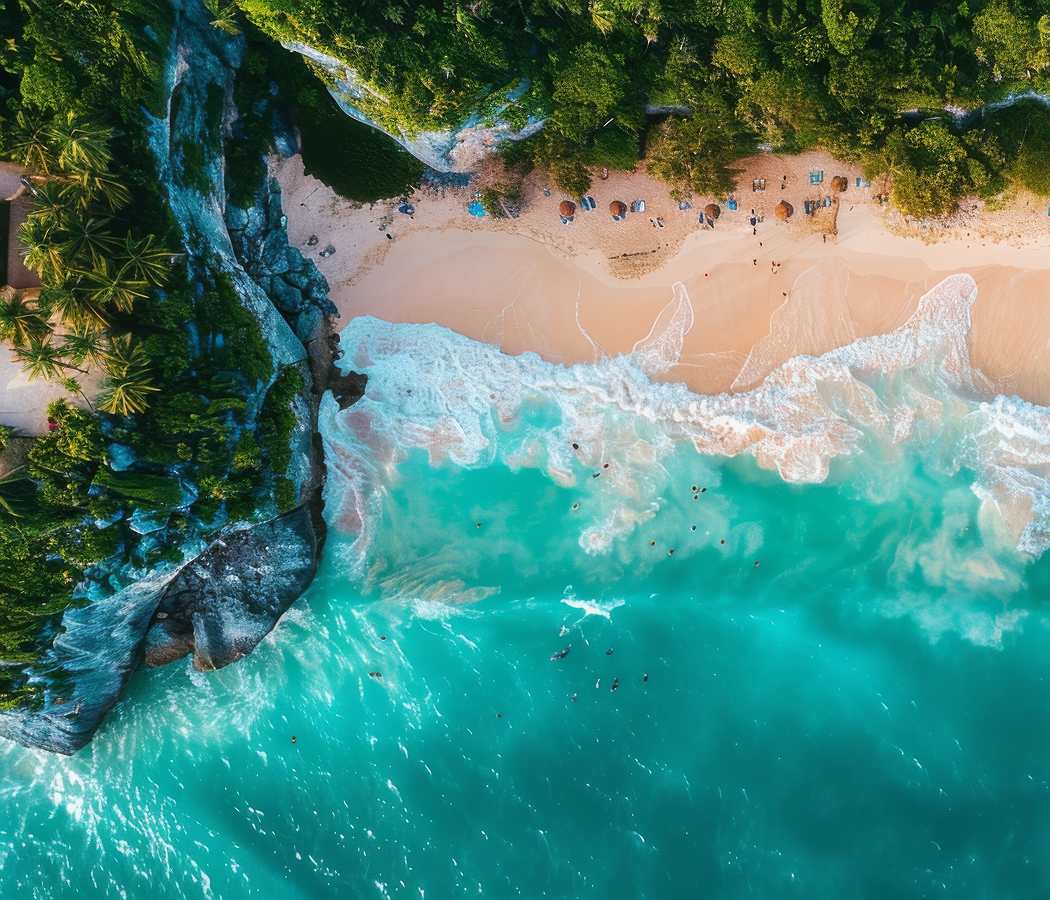
Nestled between Cancún and Playa del Carmen, Punta Maroma, or Playa Maroma, feels less like a destination and more like a secret the Caribbean keeps for itself: soft, luminous sand, water so clear it reads like glass, and a quiet that folds around you like a well-cut cloak.
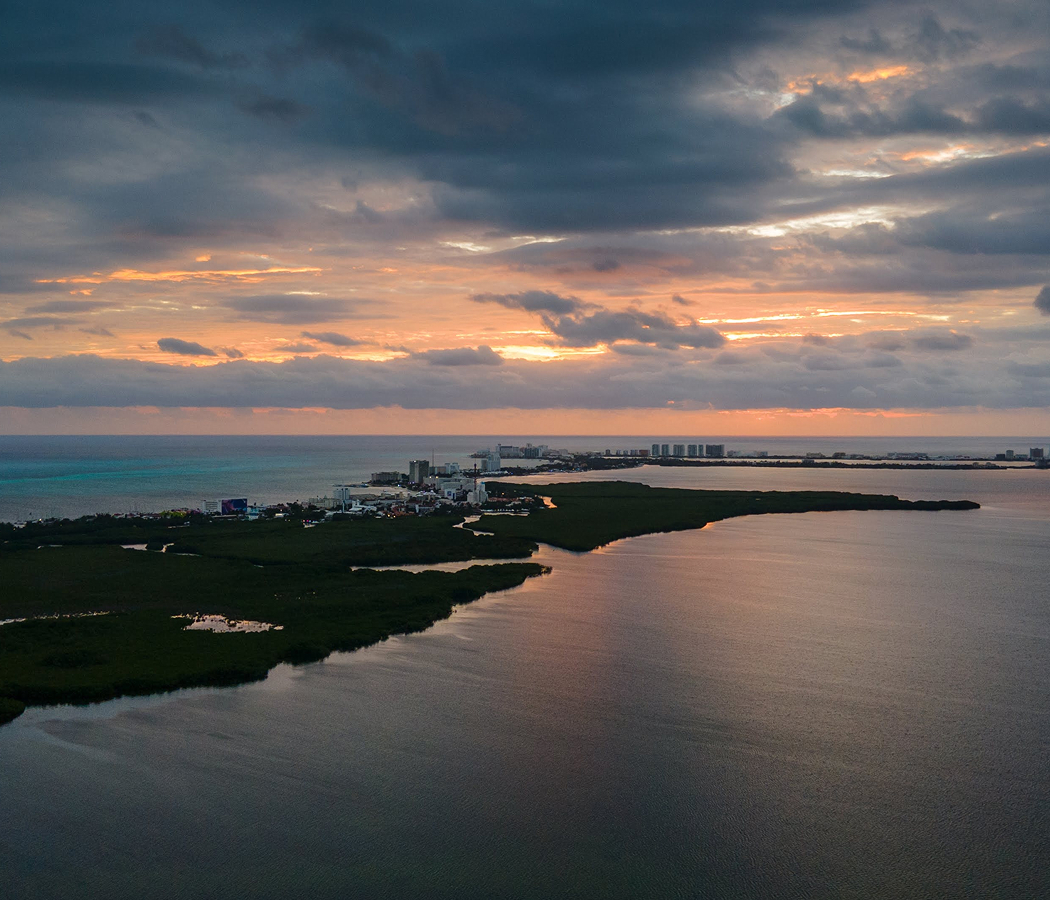
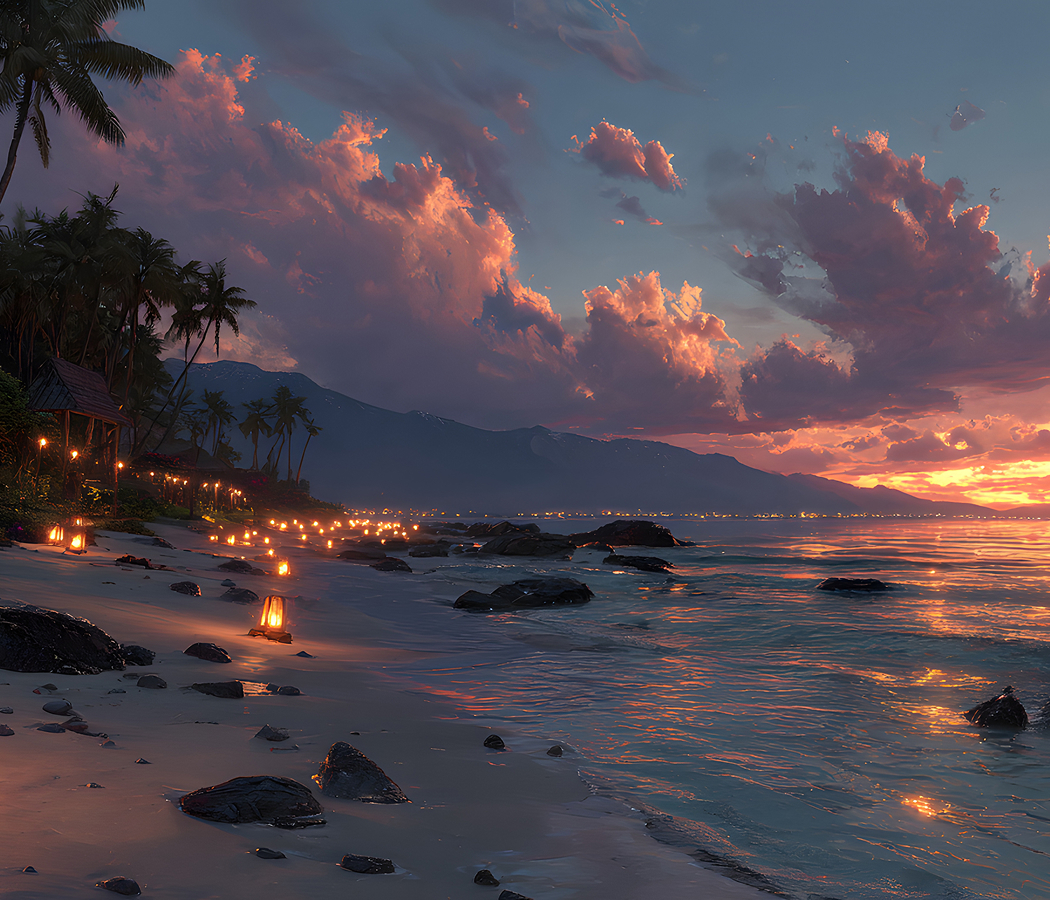
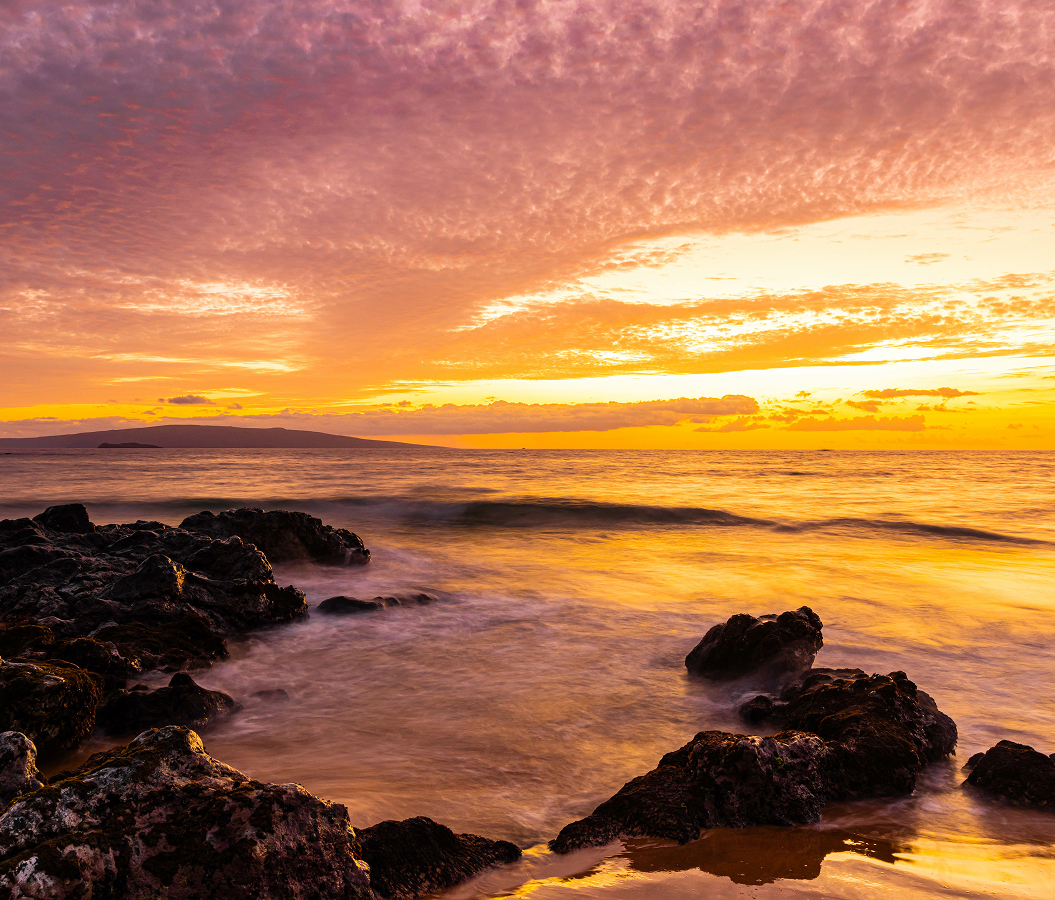
Here the shore stretches in a gentle curve, framed by swaying palms and low dunes, and the sea moves in slow, polite breaths that invite long floats, reflective walks, and the kind of unhurried afternoons that feel, improbably, like a repair to the soul. Unlike busier resort strips, Punta Maroma's character is restraint: low-rise, respectful lodgings tucked into vegetation; beach clubs that favor palapas over neon stages; and a horizon that refuses the gaudiness of billboard culture. The reef sits just beyond the surf, a living coral garden that paints the shallow in bands of turquoise and azure, and when the light is right the water's surface becomes a sheet of molten color that dissolves the boundary between sea and sky. Walk the sand at dawn and you'll meet fishermen hauling in quiet loads, joggers tracing the tide line, and snorkelers slipping into the water like ghosts, all moving at a pace that lets the place breathe. At sunset the beach folds into private light: the sky blurs into pink and saffron, the palms silhouette like calligraphy, and the day closes not with a bang but with a soft, communal exhale. Punta Maroma isn't about spectacle; it's about presence, the particular luxury of being nowhere else but here, anchored by salt, sun, and an astonishing calm.
What you didn’t know about Punta Maroma.
Beneath its postcard surface, Punta Maroma carries a deeper geography of culture, conservation, and quiet legend, a shoreline that was once whispered about among divers and fishermen long before travel writers found it.
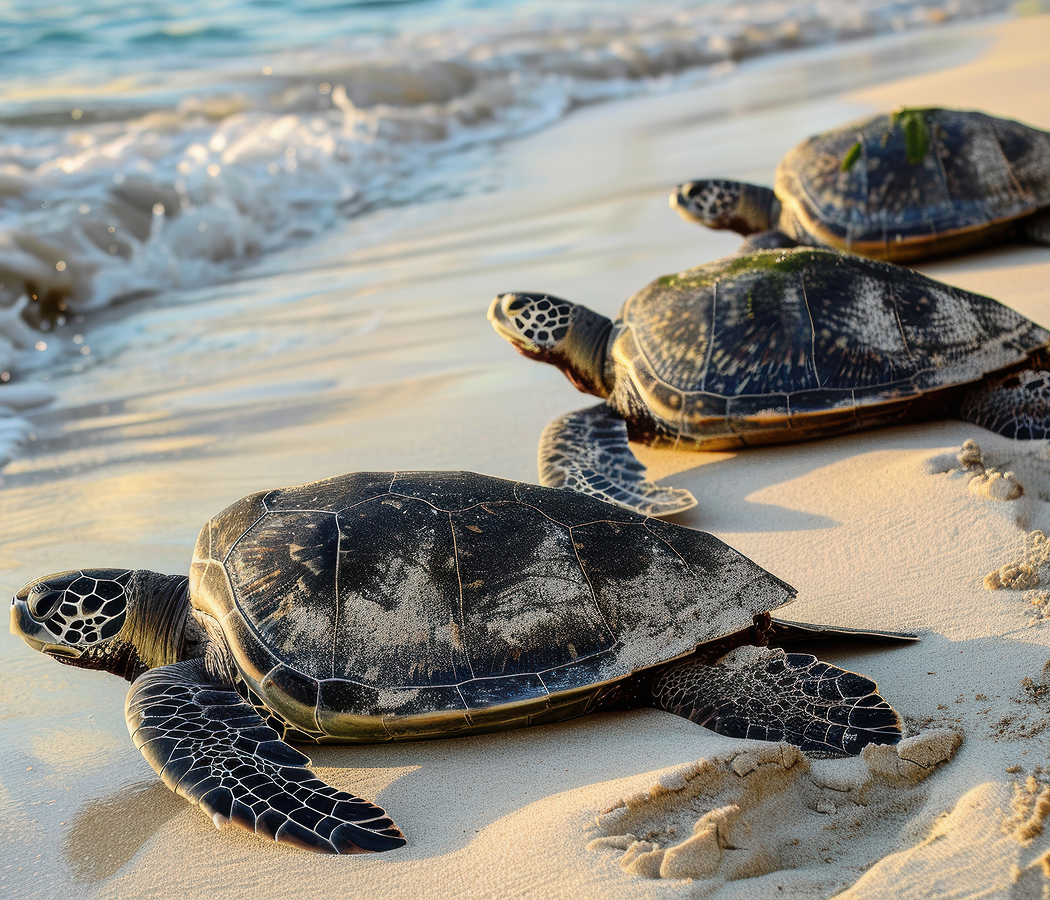
The beach fronts one of the healthiest stretches of the Mesoamerican Barrier Reef System, and that reef is the reason the water here behaves like a protected lagoon: abundant seagrass beds, scattered coral heads, and a kaleidoscope of reef fish that make snorkeling feel like a privileged conversation with the ocean. Local stewardship runs deeper than signage, grassroots conservation groups monitor turtle nesting seasons, community initiatives limit beachfront lighting to protect hatchlings, and many of the small hotels and clubs built along the sand adopt low-impact architecture designed to disappear into the landscape. The name “Maroma”, said to reference ropes once tied between fisherman's boats anchored offshore, hints at the area's working past: once a place of nets and small catches, it gradually became a refuge for those who prized its clarity and solitude. Even as the Riviera Maya developed, Punta Maroma resisted the full weight of mass tourism; where other beaches grew into long rows of towers and sunbeds, Maroma attracted boutique properties that prioritized ecology, local design, and a slower guest rhythm. The reef's protection has real consequences: sightings of turtles, rays, and schooling fish are common from a shallow swim, and the health of the underwater world sustains both local livelihoods and the rare feeling that this place is still, in part, held by the sea itself.
How to fold Punta Maroma into your trip.
To honor Punta Maroma is to approach it with intention: arrive early, move slowly, and leave less than you found.
From Cancún or Playa del Carmen, the drive is short enough to make the beach feel like a discovery. Access is often through small beach clubs or boutique resorts, places such as Maroma Adventures or the quietly elegant lodgings that line the coast, which means planning ahead for day access or dining if you're not a hotel guest. Begin with sunrise when the tide is still and the reef's color is pure; rent a snorkel and drift gently above coral gardens where parrotfish and angelfish trace slow arcs beneath you. Midday is for hammocks and shade, order simple, brilliant food: ceviche dressed in lime and chile, a grilled fish, and a fresh coconut opened with a practiced hand. If you want movement, choose a kayak or a guided reef snorkel led by local marine guides who can point out the small miracles you'd otherwise miss: the camouflaged octopus, a ray half-buried in sand, the slow, deliberate progress of a sea turtle. Late afternoon is for walking: follow the shoreline, find an empty curve of sand, and watch the light shift; the beach empties as if on cue, leaving you to the hush and the long, private colors of sunset. If you stay overnight at one of the low-rise, eco-minded properties, there's a rare reward, night skies unspoiled by glare, the sound of waves as a lullaby, and the knowledge that the place is maintained by people who care as much about the reef as they do about their guests. Leave with small footprints: support local vendors, avoid single-use plastics, and, if you snorkeled, consider a donation to a reef-protection program. Punta Maroma gives back what you ask for, quiet, clarity, and the sense that paradise is not a commodity but a responsibility.
Hear it from the Foresyte community.
Just enough life around you not to be overwhelming. Right pace.
Where your story begins.
Start your planning journey with Foresyte Travel.
Experience immersive stories crafted for luxury travelers.