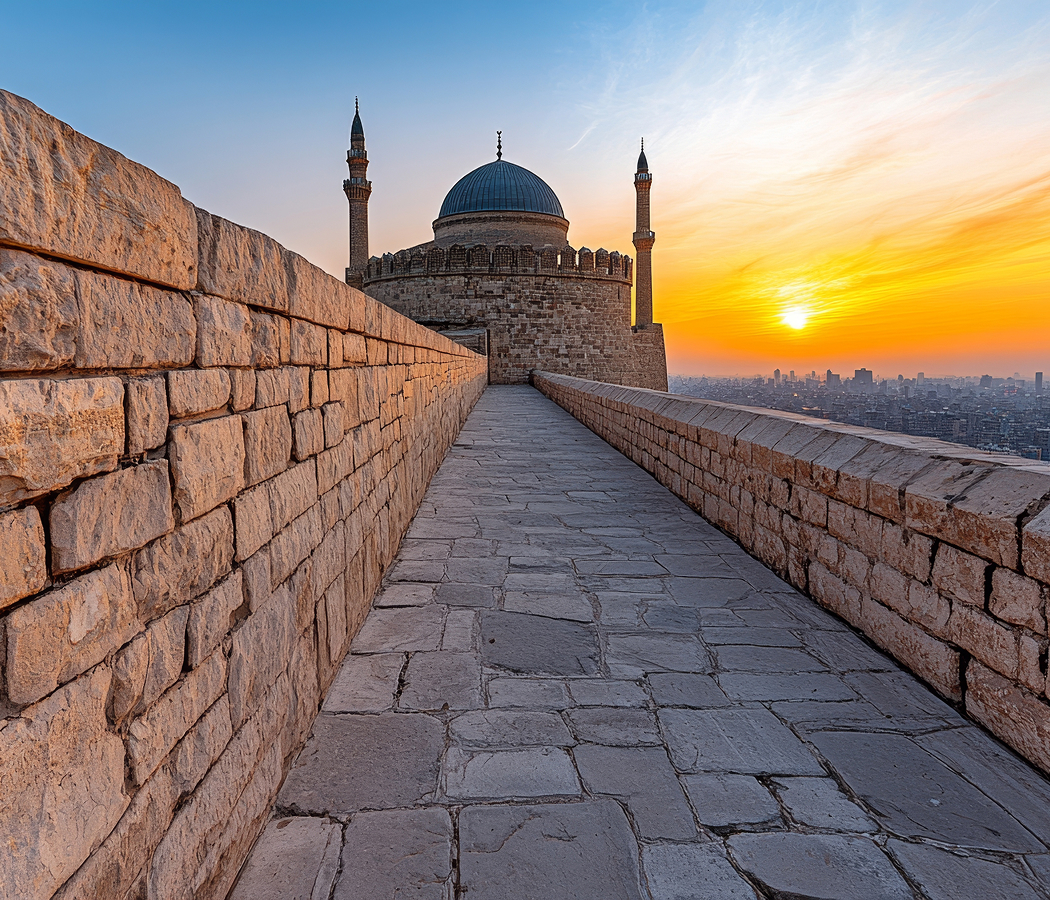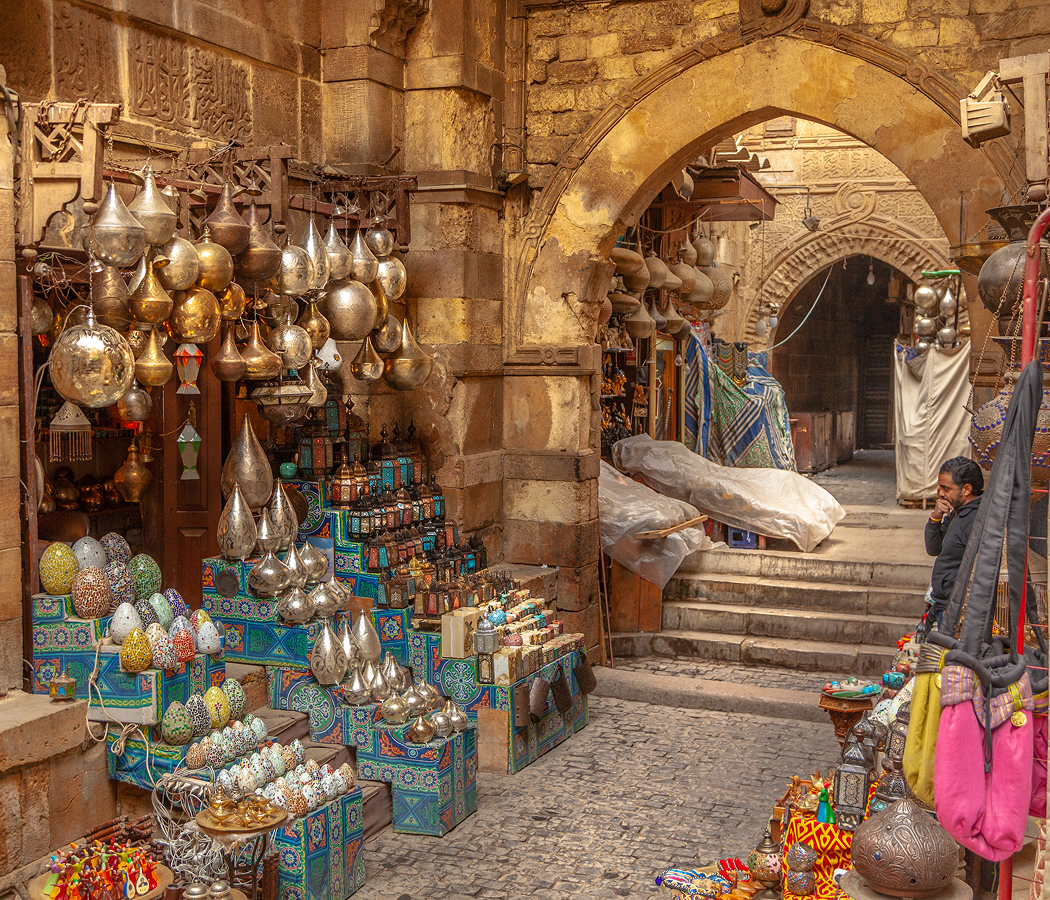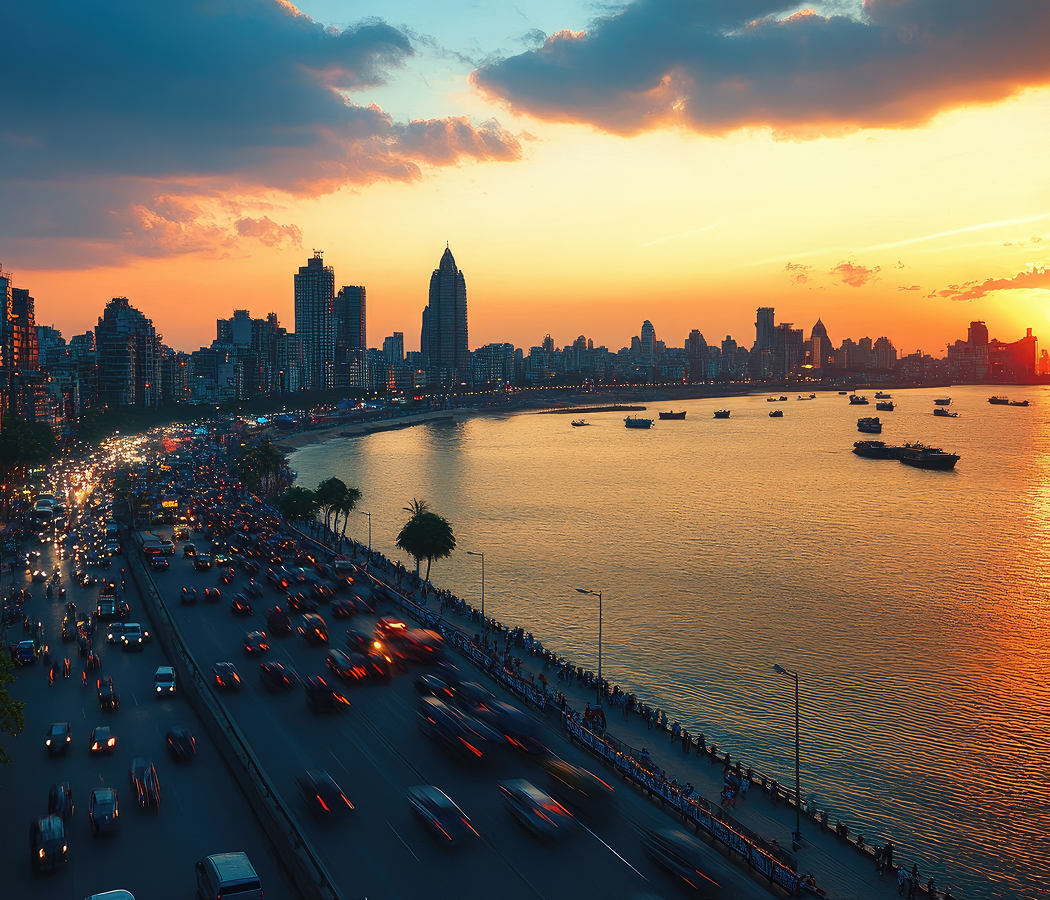
Why you should experience Ramses Hilton in Cairo, Egypt.
Ramses Hilton is a vertical relic of Cairo's modern ambition, where sweeping Nile panoramas, unapologetic scale, and mid-century internationalism place you inside a city that has never learned how to be small.
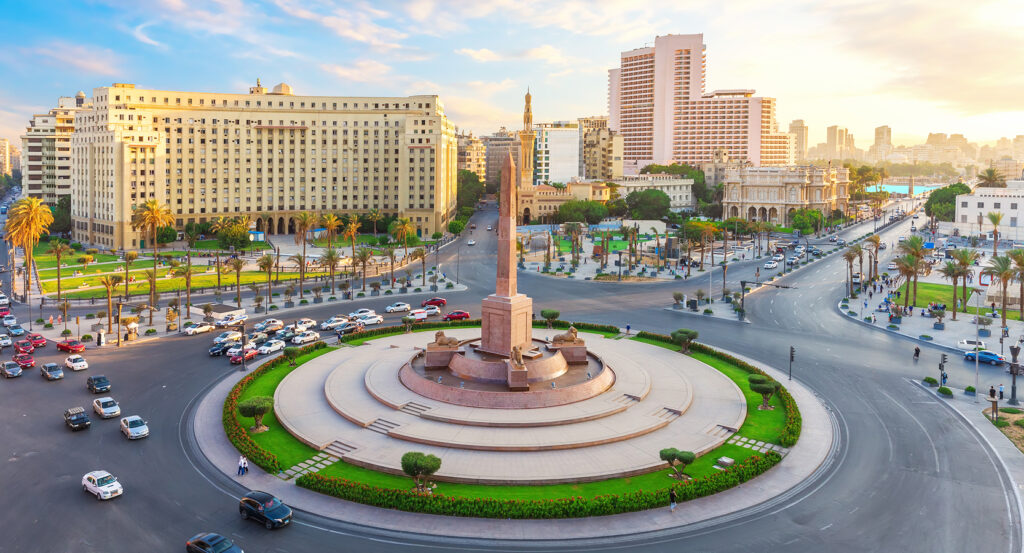
Standing prominently along the Nile's eastern bank near Downtown Cairo, Ramses Hilton does not attempt to soften its presence or disguise its age. It rises with confidence, a broad-shouldered tower that belongs to an era when hotels were built as declarations. From the moment you approach, it is clear that this property was designed to command space, physically, visually, and operationally. The arrival feels functional rather than ceremonial, signaling a hotel that prioritizes access and capacity over choreography. Inside, the atmosphere is unmistakably institutional yet oddly reassuring. Large volumes, expansive corridors, and broad public spaces communicate a sense of endurance. This is a hotel that has absorbed decades of guests, events, and transitions. The lobby operates as a crossroads rather than a sanctuary, busy, layered, and perpetually in motion, reflecting the city itself. What the Ramses Hilton offers in abundance is perspective. Its height delivers some of the most expansive Nile views in Central Cairo, especially from higher floors where the river unfurls in full breadth, bridges arc across the water, and the city stretches endlessly in both directions. Guest rooms are generous in scale and straightforward in design. They favor function over flourish, offering layouts that feel substantial. Many rooms feature large windows or balconies overlooking the Nile, transforming the river into the defining feature of the stay. Watching the city wake at dawn, boats moving slowly against the current, and traffic thickening along the riverbanks offers a powerful sense of orientation. Interiors are classic Hilton, durable furnishings, neutral palettes, and a focus on comfort that supports long stays. Beds are plush and reliable, desks are practical, and seating areas allow the room to function as more than a place to sleep. Bathrooms are spacious and serviceable, designed for routine rather than ritual, reinforcing the hotel's character as a workhorse rather than a retreat. Dining at Ramses Hilton mirrors its scale. Multiple restaurants and lounges serve a broad international audience, catering to different schedules and preferences. Meals are efficient and consistent, designed to move volume. Nile-facing dining spaces are particularly compelling, offering an elevated vantage where the river becomes a calming counterpoint to the hotel's interior energy. The outdoor pool area provides a rare moment of openness, an elevated platform above the city where sky, water, and river converge, allowing guests to momentarily disengage. Service at Ramses Hilton is practiced and pragmatic. Staff interactions are professional, efficient, and grounded in experience. This is a hotel accustomed to managing complexity, large groups, conferences, rotating guest profiles, and it delivers through systems. There is a certain comfort in this predictability; the hotel does what it promises, consistently and without pretense.
What you should know about Ramses Hilton.
Ramses Hilton is a product of Cairo's post-war modernist ambition, reflecting a moment when the city sought to assert itself as a global capital through scale and infrastructure.
The hotel emerged during a period when international chains were expanding into major world cities, bringing with them a standardized vision of global hospitality. In Cairo, this expansion coincided with a national push toward modernization, visibility, and international engagement. Ramses Hilton was conceived not as a boutique destination, but as a symbol, a structure capable of hosting diplomats, executives, airline crews, tour groups, and conferences at a volume that few properties could match. Its location along the Nile was strategic, anchoring the hotel within the city's most enduring geographic axis while placing it adjacent to downtown's administrative and commercial core. Architecturally, the building reflects mid-to-late 20th-century international hotel design: vertical dominance, repetition, and functional clarity prioritized over ornament or cultural referencing. This approach allowed the hotel to operate as a logistical hub. Over the decades, Ramses Hilton has hosted an extraordinary range of guests, from political delegations and corporate leaders to artists, athletes, and everyday travelers experiencing Cairo for the first time. Its corridors have absorbed moments of celebration, transition, and tension, often without performance, quietly accommodating the city's constant reinvention. During periods of political upheaval or economic fluctuation, the hotel's size and operational resilience allowed it to remain active when smaller properties struggled. This endurance has given Ramses Hilton a unique institutional memory. It has witnessed Cairo expand vertically and laterally, watched neighborhoods shift, and remained a constant reference point along the river. Culturally, the hotel has also influenced how visitors perceive Downtown Cairo. Its elevation offers a perspective that abstracts the city's density into pattern and flow, allowing guests to understand Cairo's scale. A lesser-known aspect of the property is how it functions as a transitional space, many guests pass through Cairo briefly, and Ramses Hilton serves as their first or last impression of the city. This transient role has shaped the hotel's identity: efficient, resilient, and unapologetically large. In an era where luxury often equates to intimacy, Ramses Hilton stands as a counterexample, proof that scale itself can be a defining experience.
How to fold Ramses Hilton into your trip.
Ramses Hilton works as your elevated command point, a place that gives you perspective, access, and operational ease within Cairo's complexity.
Begin your mornings with the river in full view, using the height to orient yourself before descending into the city. Early hours are ideal for movement, walks along the Nile Corniche, quick trips into downtown, or departures toward museums and business districts before traffic thickens. Use the hotel as a regrouping base throughout the day, returning between excursions to reset. Midday, the pool or a Nile-facing lounge offers a rare pause where Cairo's intensity becomes visual. Afternoons are well-suited for structured outings, visits to the Egyptian Museum, meetings, or planned excursions to Giza and Saqqara, leveraging the hotel's connectivity to major routes. Evenings can unfold either on property or outward into downtown, with the assurance that returning is straightforward and predictable. Pairing a stay here with a more intimate or heritage-focused hotel elsewhere in Cairo can create balance, but Ramses Hilton should anchor the itinerary when clarity, elevation, and logistical efficiency matter most.
Where your story begins.
Foresyte Travel reveals places that feel extraordinary long before you arrive.
Experience premium editorial crafted for luxury travelers.