Why you should experience Panoramic View of the Nile in Cairo, Egypt.
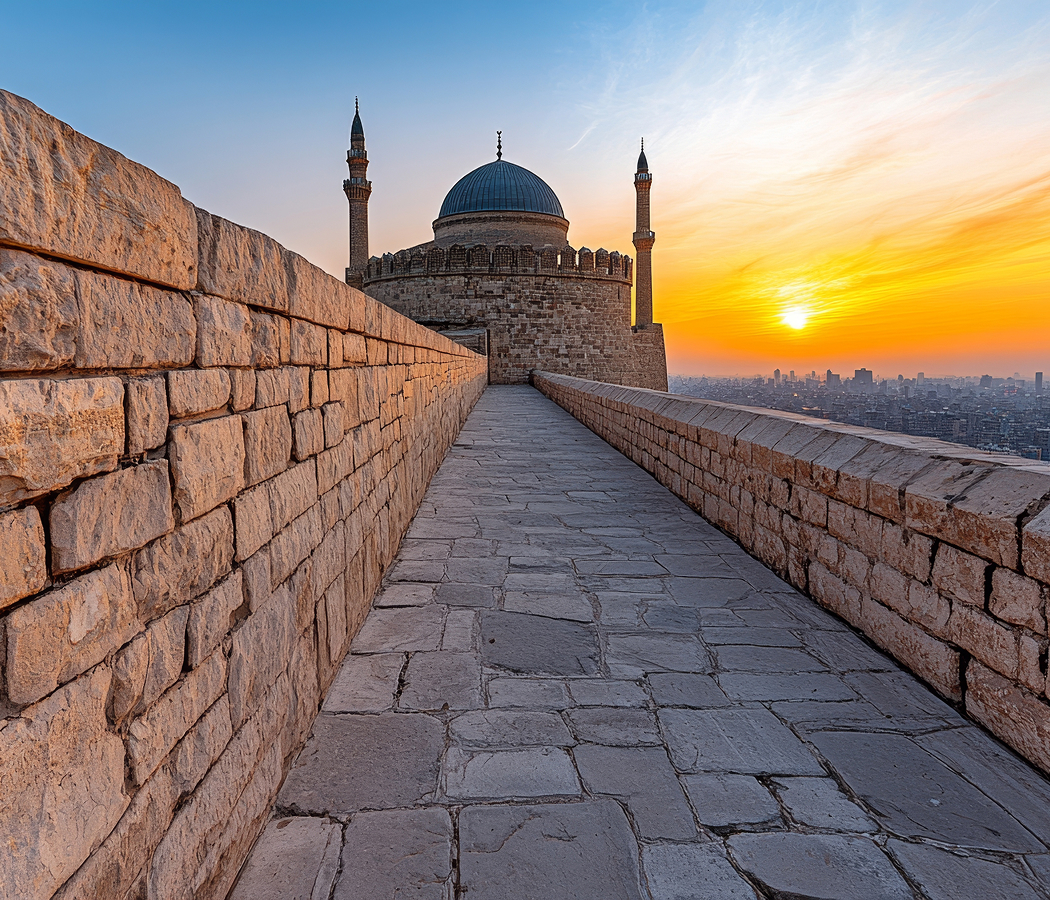
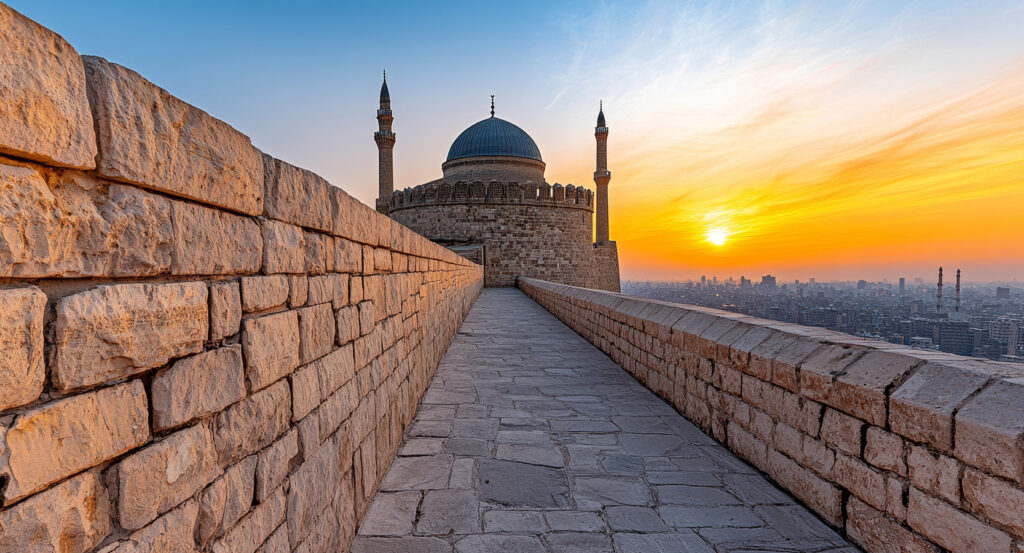
The Panoramic Cairo Viewpoint is the Citadel's great exhale, a place where history gives way to horizon and the entire city unfurls beneath you like a living map of civilization.
From this lofty terrace on the Mokattam Hills, the sprawl of Cairo stretches endlessly, domes and minarets shimmering in the desert light, the Nile cutting a silver ribbon through the haze. Behind you rise the towering ramparts of the Saladin Citadel, strong, ancient, and unbending, while before you lies the pulse of modern Egypt: a city of twenty million souls anchored by the same river that once cradled pharaohs. The wind carries the echo of the muezzin from a hundred mosques, blending into the hum of life below, and for a moment, time stands still. It's not merely a view; it's a revelation, the vantage point from which the story of Cairo becomes both intimate and infinite.
What you should know about Panoramic View of the Nile.
The Panoramic Viewpoint occupies one of the Citadel's highest southern bastions, a position chosen by Sultan Salah ad-Din (Saladin) in the 12th century precisely for its defensive and symbolic command over the city.
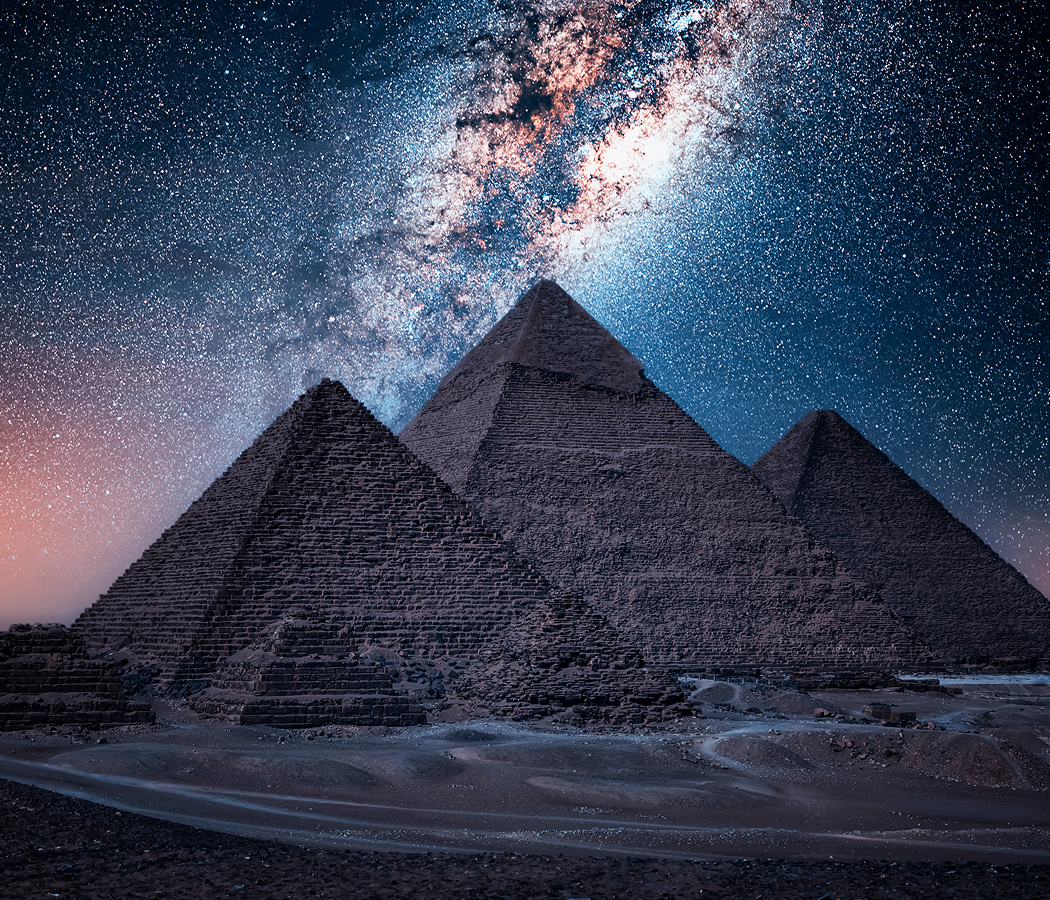
The hilltop itself is part of the Mokattam limestone ridge, whose elevation, nearly 75 meters above Cairo's core, made it both a natural fortress and a celestial observatory. From this height, Saladin's engineers could monitor every approach to the capital, from the fertile plains of Giza to the desert roads leading east. Over the centuries, as the Citadel evolved from a military fortress into the seat of Egyptian governance, this lookout became a ceremonial space, a site for rulers to survey the lands they governed. Muhammad Ali Pasha, in the 19th century, often stood here to watch over Cairo while his architects completed the grand mosque that bears his name. The viewpoint itself was later expanded with marble paving and balustrades, reflecting Ottoman influences and serving as a space for dignitaries and foreign visitors. Today, it remains one of the few vantage points in the city where you can see all eras of Cairo at once, the medieval skyline of Islamic Cairo to the north, the domes of Al-Azhar and Sultan Hassan Mosques shimmering in the middle distance, and, on a clear day, the faint pyramids of Giza punctuating the western horizon. Archaeological surveys of the Citadel reveal that early military sentinels once used polished bronze mirrors at this height to signal across distant towers, a primitive but ingenious communication system centuries before the telegraph. The viewpoint, in its own way, has always been Cairo's eye: watching, reflecting, and remembering.
How to fold Panoramic View of the Nile into your trip.
The Panoramic Cairo Viewpoint is the spiritual crescendo of any visit to the Saladin Citadel, the moment where architecture, geography, and divinity align.
To reach it, follow the main pathway past the Mosque of Muhammad Ali toward the southern terrace, where the stone balustrade opens to the city below. Arrive in the late afternoon, ideally an hour before sunset, when Cairo glows in golden light and the desert sky burns with pink and amber hues. Bring a camera, though no photograph can truly capture the scale of what you'll see, and take time to trace the city's layers: the ancient quarters of Fustat, the domes of Fatimid mosques, the colonial-era boulevards, and the modern skyline rising beyond. If visibility is high, the pyramids of Giza appear like faint silhouettes on the horizon, reminders that this metropolis has been continuously inhabited for over five millennia. The terrace often hosts local guides who can point out landmarks invisible to the untrained eye, the Mosque of Ibn Tulun, the Citadel's old watchtowers, even the green line of the Nile Corniche winding westward. For a truly transcendent experience, stay until the adhan, the evening call to prayer, when sound rolls across the city in waves, one minaret answering another until Cairo becomes a single, resonant choir. On your way down, stop briefly at the southern bastion walls, where the limestone still bears the chisel marks of Saladin's masons. Standing there, bathed in the last light of the day, you realize the truth of the Citadel: it was never just a fortress. It was a declaration, that faith and civilization, like the view before you, could reach endlessly toward the horizon.
Where your story begins.
Foresyte Travel reveals places that feel extraordinary long before you arrive.
Experience premium editorial crafted for luxury travelers.