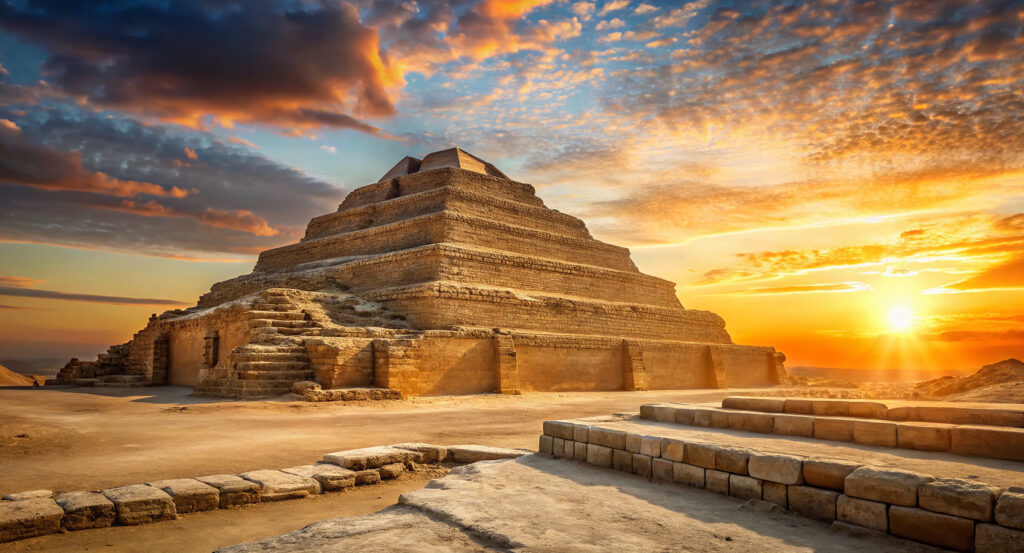
Why you should experience Step Pyramid of Djoser in Saqqara, Egypt.
Step Pyramid of Djoser in Saqqara is where Egypt's story of monumental architecture truly begins, a sacred prototype that redefined the ancient world's understanding of permanence, power, and design.
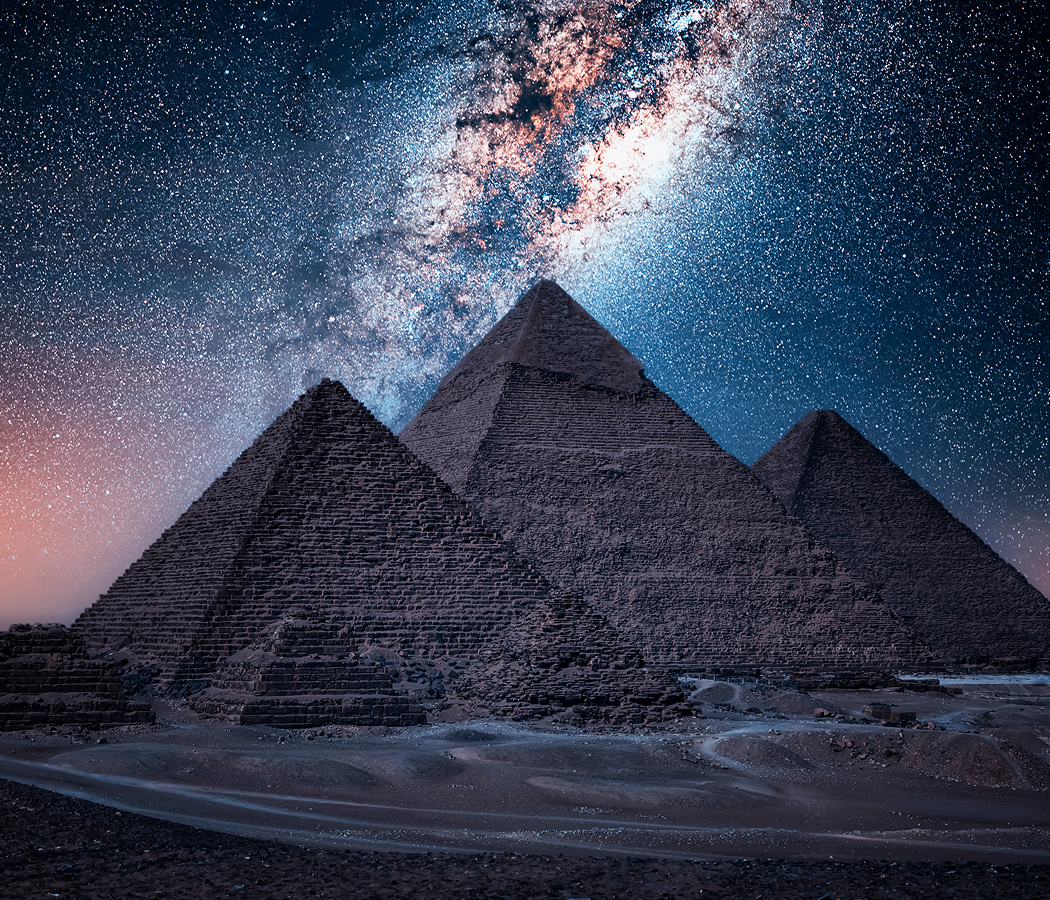
Standing tall over the desert plateau just south of Cairo, this six-tiered limestone masterpiece is not only Egypt's first pyramid but also the world's earliest large-scale stone monument. Built during the 27th century BCE for Pharaoh Djoser by his visionary architect Imhotep, the pyramid marked a revolution in how humanity honored its rulers and reached toward the heavens. The structure's bold departure from traditional mastaba tombs created a stairway to eternity, each tier symbolically lifting the pharaoh's soul toward the divine. As sunlight washes across the desert, the pyramid shimmers in hues of gold and ivory, its shadow stretching over the ancient necropolis of Saqqara, a burial ground that served as Memphis's spiritual heart. Around it lie courtyards, ceremonial gateways, and colonnaded halls that still bear the fingerprints of the world's first stone craftsmen. Walking these grounds, you feel the echo of innovation, a civilization learning to build forever.
What you didn’t know about Step Pyramid of Djoser.
Step Pyramid of Djoser isn't merely a royal tomb, it's the birth of architectural genius and the blueprint for Egypt's enduring greatness.
When Imhotep conceived the design around 2630 BCE, no one had ever attempted to build a structure of such scale in stone. Initially planned as a simple rectangular mastaba, the project evolved through multiple expansions, each layer representing a leap in ambition. By the time it reached its final form, the pyramid stood approximately 200 feet high, the tallest structure of its age. Its surrounding complex covered over 35 acres and included temples, shrines, and courtyards used for ritual performances during Djoser's Heb-Sed festival, a renewal ceremony celebrating the pharaoh's vitality and divine rule. The limestone blocks, quarried locally, were meticulously fitted, a technique that laid the foundation for the smooth-sided pyramids that would later rise at Giza. Archaeological discoveries within the site reveal that Imhotep not only engineered the pyramid's form but also designed an underground labyrinth with corridors, chambers, and blue faience tiles, an ethereal imitation of the king's palace meant to house Djoser's spirit eternally. The walls of the surrounding mortuary complex depict processions, rituals, and divine offerings, giving historians invaluable insight into the spiritual life of Egypt's Third Dynasty. Long neglected by the shifting sands, the Step Pyramid underwent extensive restoration beginning in the 20th century, culminating in its grand reopening in 2020 after decades of preservation work. What stands today is not just a relic of stone, but a living testament to Egypt's genius for blending art, engineering, and eternity into one awe-inspiring vision.
How to fold Step Pyramid of Djoser into your trip.
A visit to Step Pyramid of Djoser is an essential pilgrimage for anyone who wants to trace the origins of Egypt's architectural soul.
Located about 30 kilometers south of Cairo, the site of Saqqara makes an ideal day trip from the city or a stop on the broader trail connecting Memphis and the Giza Plateau. Begin your journey early in the morning, when the desert light casts long shadows across the pyramid's steps and the crowds have yet to gather. The approach through the colonnaded entrance hall is breathtaking, 40 limestone columns rising like reeds, guiding you toward the open courtyard where the pyramid commands the horizon. Take time to explore the Heb-Sed courtyard, the replica chapels, and the south tomb, whose intricate carvings and blue-tiled walls are among the most hauntingly beautiful in Egypt. Knowledgeable guides often recount the legend of Imhotep, later deified as the god of wisdom and healing, whose innovations here transformed Egyptian architecture forever. From the plateau, panoramic views stretch toward Dahshur and Giza, connecting the dots between Egypt's earliest and most iconic pyramids. For deeper context, stop by the nearby Imhotep Museum, which houses fragments of the original limestone casing and ancient tools used in construction. Before leaving, stand once more before the pyramid's monumental steps, their weathered edges glowing in the afternoon sun, and consider that everything Egypt became began right here, in this desert silence. Step Pyramid of Djoser isn't just the ancestor of the Great Pyramids; it's the moment human imagination took its first monumental leap toward eternity.
Where your story begins.
Start your planning journey with Foresyte Travel.
Experience immersive stories crafted for luxury travelers.