Why Silver Dew Winery matters.
Silver Dew Winery is a storied winery where Bloody Point's maritime isolation meets the island fruit, lighthouse history and self-taught winemaking tradition of Arthur “Papy” Burn.
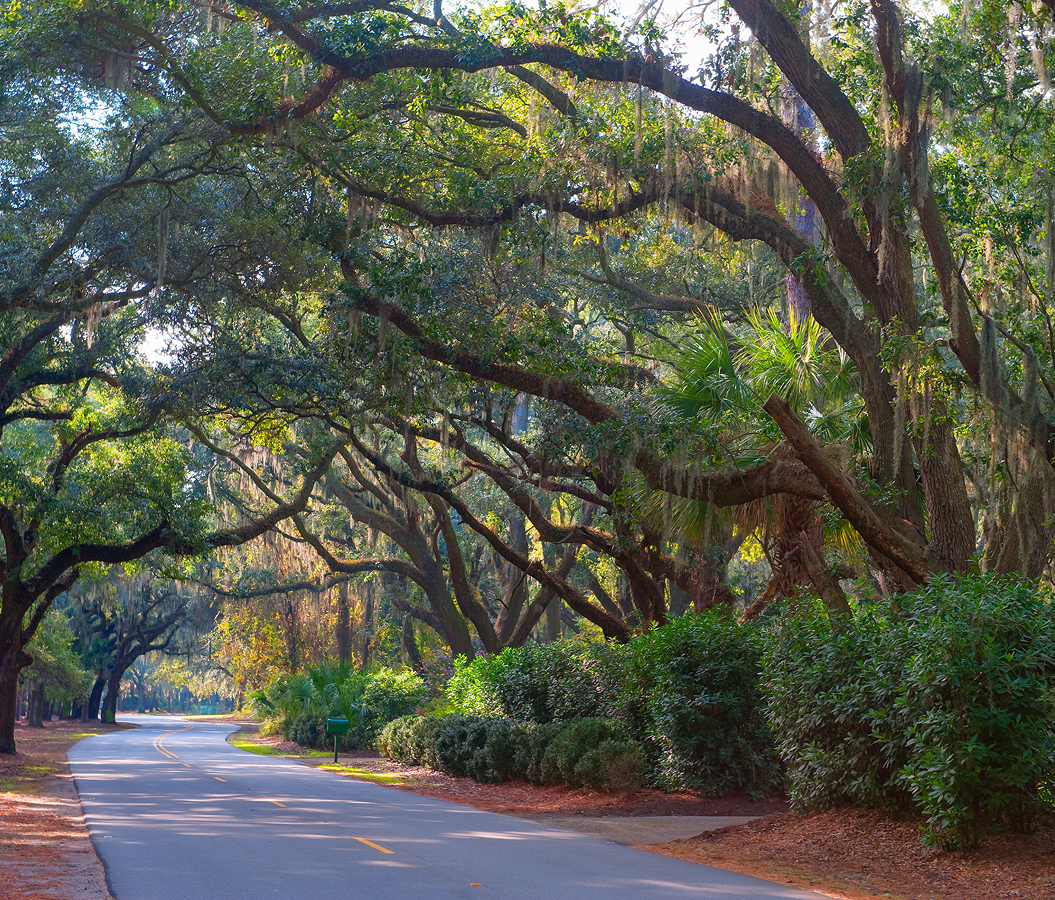
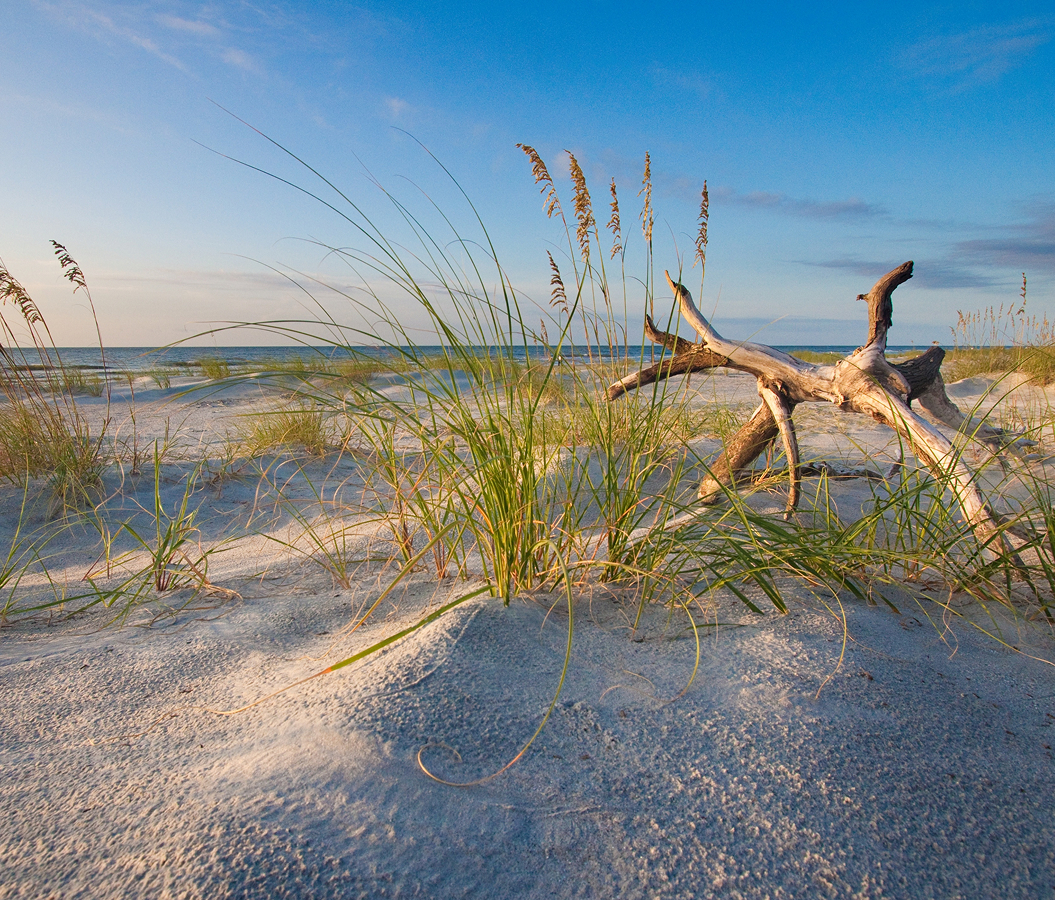
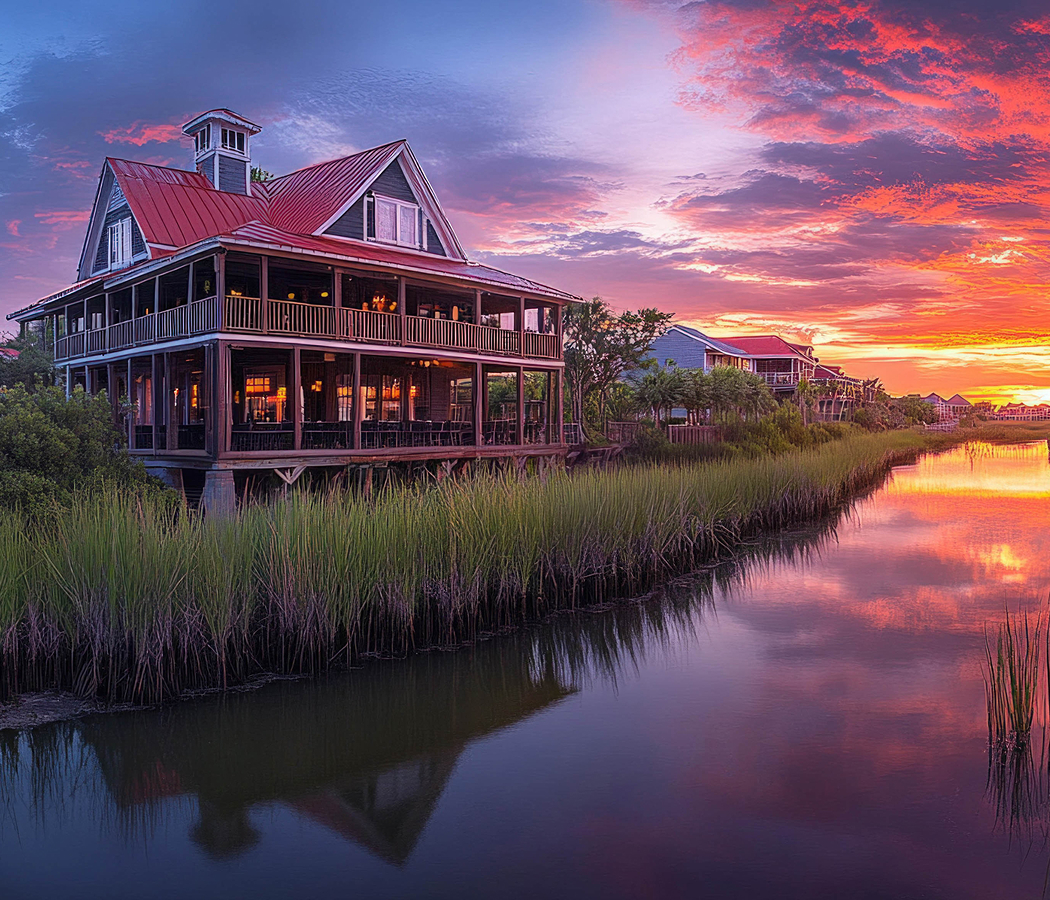
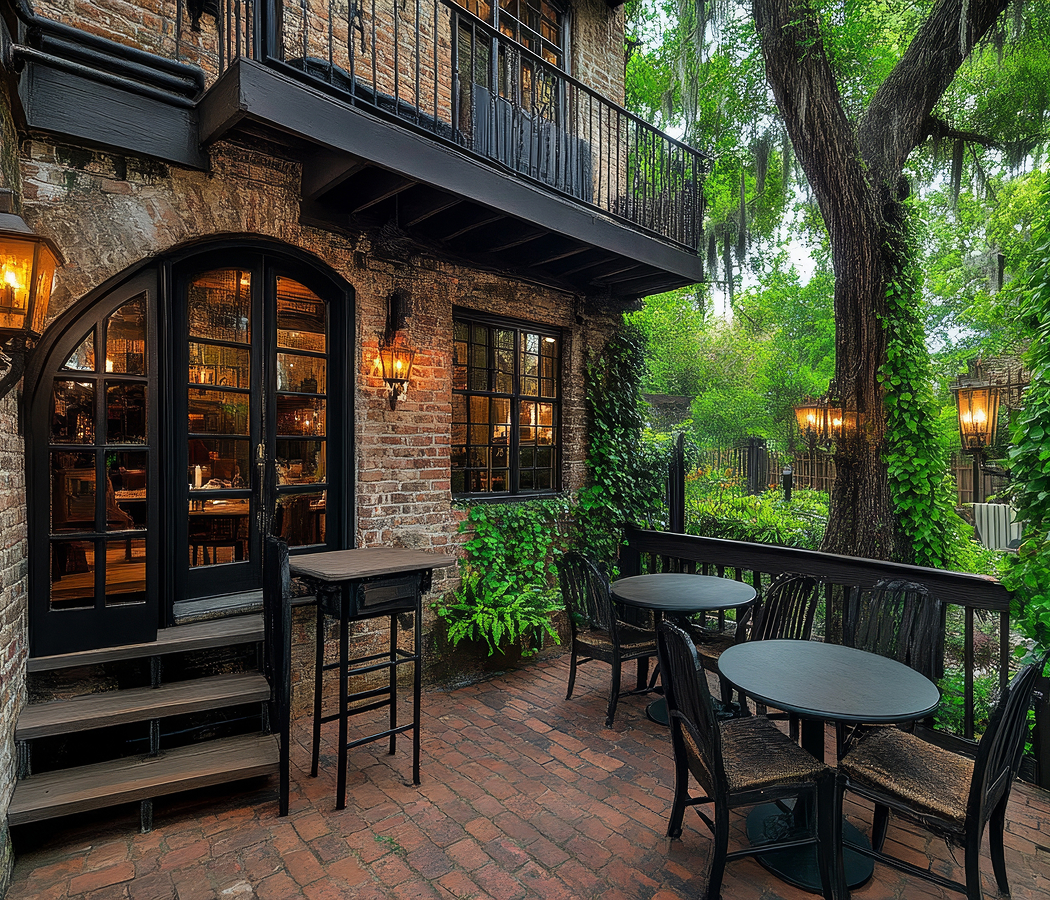
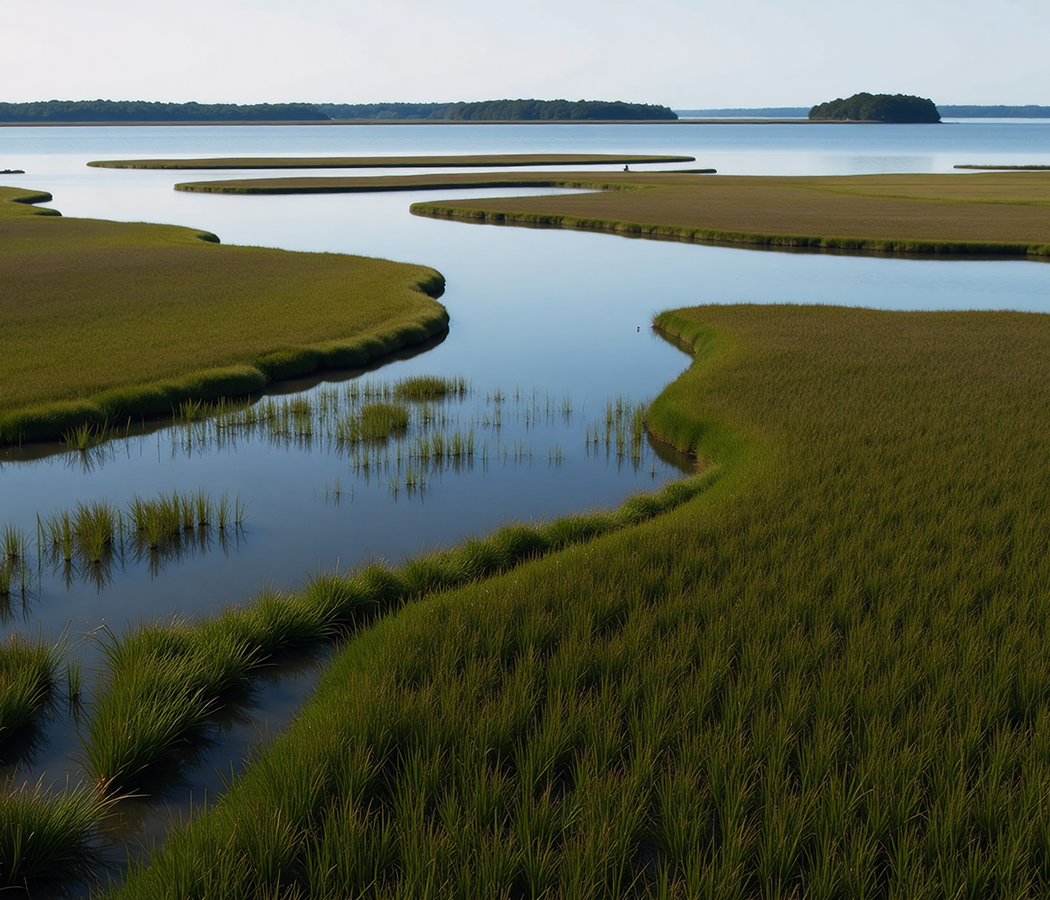
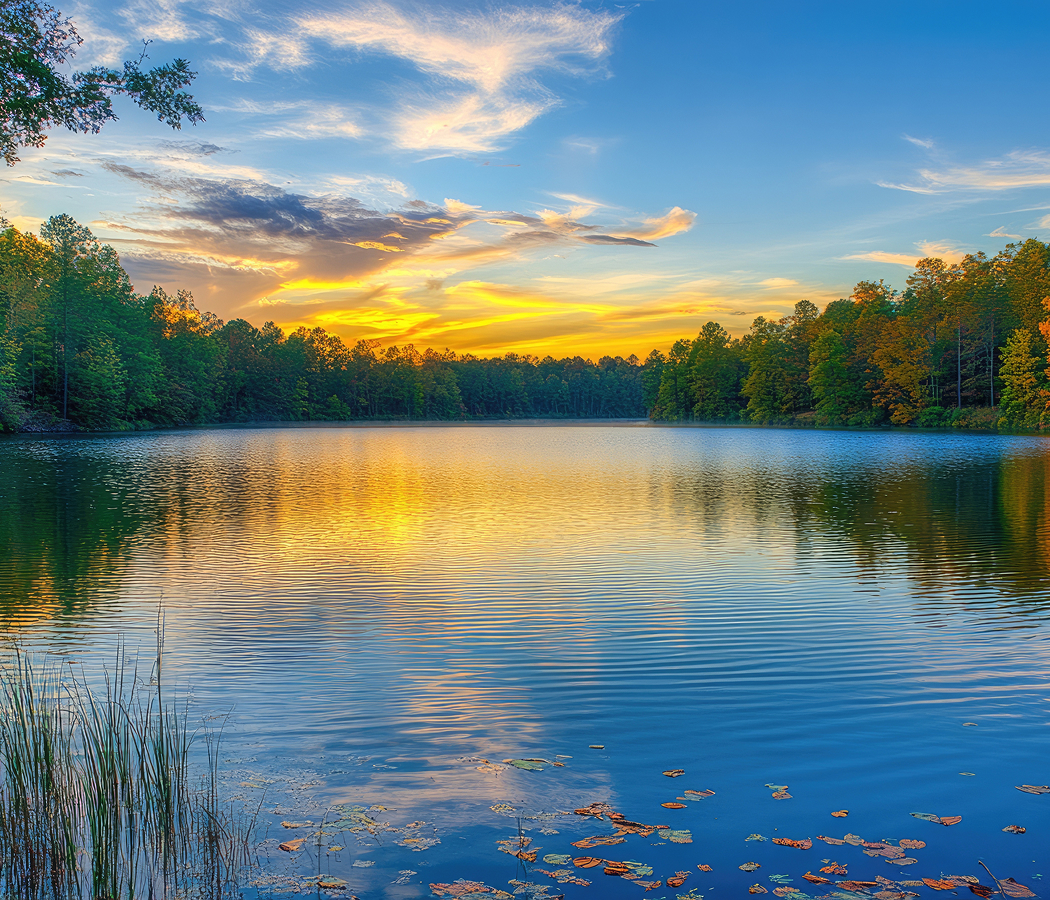
Set along Beach Road near Benjies Point and the southern reaches of Daufuskie Island, the winery occupies wooded ground between the Mungen River marshes and Atlantic-facing forest, where sandy lanes, scattered clearings and low coastal vegetation preserve the spatial character of the island's remote southern end. A small brick structure associated with the former Bloody Point lighthouse complex gives the property an architectural scale closer to an agricultural outbuilding than a conventional tasting room, embedding the winery within land shaped by maritime service and cultivation. Vines and fruit-bearing plants extend the encounter beyond the building, making the surrounding ground integral to understanding how locally grown ingredients entered the wines produced here. The island's absence of a bridge reinforces that physical separation, with ferry access, unpaved roads and maritime forest slowing movement across a landscape still divided by creeks, marsh and former plantation tracts. The result is a winery whose brick building, cultivated ground, sandy approach and isolated island setting preserve an unusually direct connection between Daufuskie agriculture and its twentieth-century lighthouse community.
What defines Silver Dew Winery.
Silver Dew Winery is best known for Arthur “Papy” Burn, an assistant lighthouse keeper who transformed a nineteenth-century lighthouse-service building into an island winery in 1953. Burn had already established deep ties to Bloody Point by November 1926, when he purchased the lighthouse keeper's dwelling from Gustaf Ohman after federal lighthouse operations there had ended. His working life extended far beyond the light station: he taught as a substitute in Daufuskie schools, led Sunday school, served as a magistrate and practiced taxidermy. Winemaking became another expression of that independence, with Burn fermenting fruit harvested from the island rather than building the operation around imported wine grapes. Scuppernongs joined blackberries, elderberries, pears and oranges among the ingredients associated with his production. Burn himself abstained from alcohol, creating the unusual circumstance of an island vintner who made wine. His reputation entered American literature through Pat Conroy, whose 1972 memoir The Water Is Wide drew from the writer's period teaching on Daufuskie and included Burn among the island figures surrounding that experience. Burn died in 1968, leaving the small winery tied to a specific generation of Daufuskie life before resort development changed portions of the island. Wick Scurry acquired the Bloody Point property in 2015 and revived Silver Dew Winery, returning production to the surviving brick building more than six decades after Burn had begun making wine there.
Scuppernong gives the revived winery its clearest connection to the agricultural conditions of the South Carolina coast. The grape belongs to the muscadine species Vitis rotundifolia, native to the southeastern United States and adapted to the heat, humidity and disease pressure that challenge many European wine grapes in the region. Thick skins and pronounced aromatic compounds give muscadines a flavor profile distinct from Vitis vinifera varieties, and their natural resistance to Pierce's disease has made them particularly durable in Southern cultivation. Silver Dew's revived vineyard incorporated 100 vines, returning grape growing to ground associated with Burn's earlier fruit wines. Daufuskie's maritime climate adds another dimension, with surrounding tidal water moderating an island environment characterized by humid summers and sandy coastal soils. Fruit fermentation connects the revived operation with Burn's broader practice of working beyond grapes, when blackberries, elderberries, pears and citrus supplied additional raw ingredients from the island. That continuity makes Silver Dew less a transplantation of conventional wine-country culture than a surviving Lowcountry form of small-scale fermentation built around crops capable of thriving on Daufuskie.
How Silver Dew Winery fits.
Silver Dew Winery works as the southern anchor for a Daufuskie Island outing connecting the religious independence of formerly enslaved residents, the schoolhouse associated with Pat Conroy's teaching year and a preserved Gullah home tied to one of the island's enduring families.
Begin at First Union African Baptist Church, organized in 1881 by formerly enslaved island residents who had previously worshipped within plantation-era religious structures. The congregation erected its first church in 1884, lost that building to fire and completed its surviving sanctuary in 1885, creating an institution that became central to Daufuskie's post-emancipation community. A hurricane damaged the structure in 1940, after which parishioners repaired it and added the distinctive steeple visible above the island's tree canopy. Continue to Mary Field School, built in 1933 for Daufuskie's Black children and later associated with Pat Conroy's 1969 teaching year on the island. Conroy encountered students isolated by poverty and unequal schooling, and his conflicts with Beaufort County education authorities supplied the basis for The Water Is Wide, published in 1972 and later adapted for film. The building subsequently became a community gathering place, preserving a physical connection to the educational world behind one of the best-known literary depictions of twentieth-century Daufuskie. Conclude at Frances Jones Home, associated with the Jones family and the island's Gullah community. Its modest construction preserves the domestic scale of Daufuskie before ferry-oriented tourism and private resort development altered substantial portions of the island. The house belongs to a wider landscape of family compounds, praise houses, cemeteries and small agricultural plots through which Gullah residents maintained community across generations after emancipation. The progression moves from independent Black religious institution-building through the island school system confronted by Conroy and culminates in a domestic setting preserving the family-scale geography of historic Gullah Daufuskie.
Where your story begins.
Foresyte Travel reveals places that feel extraordinary long before you arrive.
Enjoy editorial crafted for luxury travelers.
Foresyte may earn a commission when you book.