Why Stoney Baynard Ruins matters.
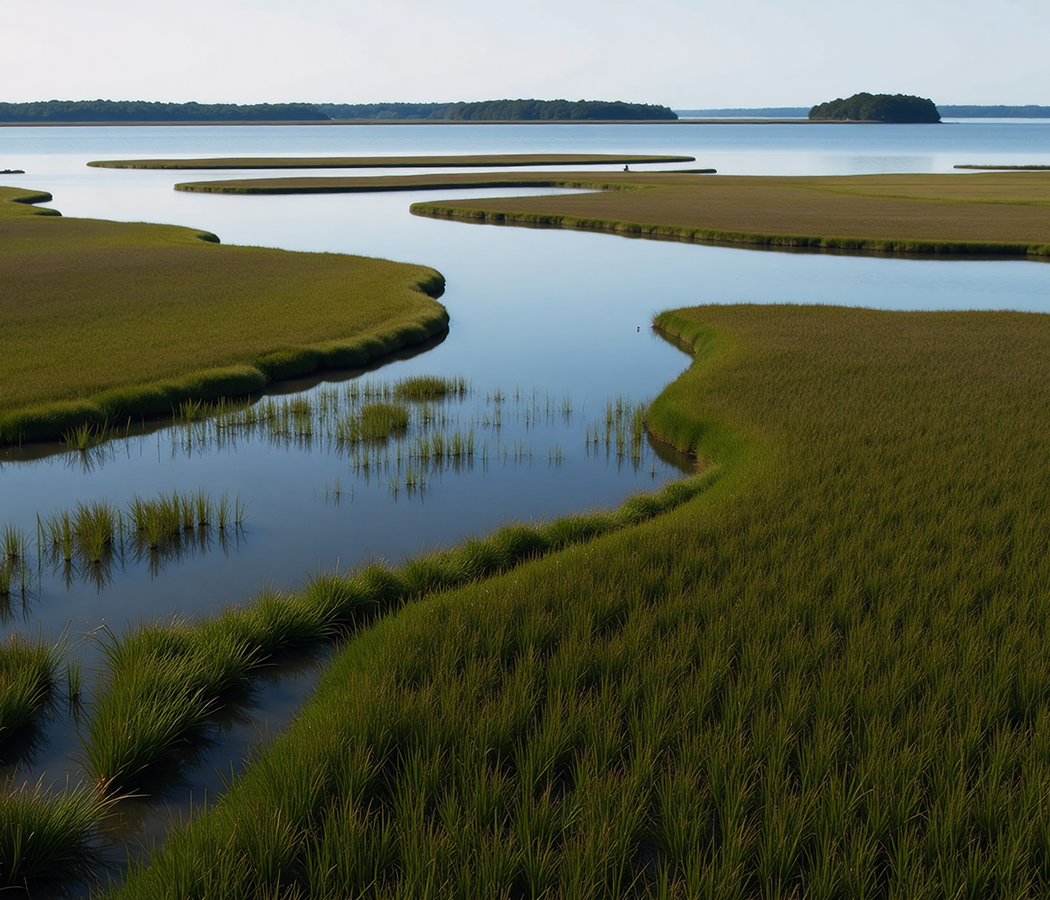
Stoney Baynard Ruins is a hauntingly beautiful historic landmark where crumbling tabby walls, towering maritime forests, and the quiet sweep of Calibogue Sound reveal a forgotten chapter of the Lowcountry's past.
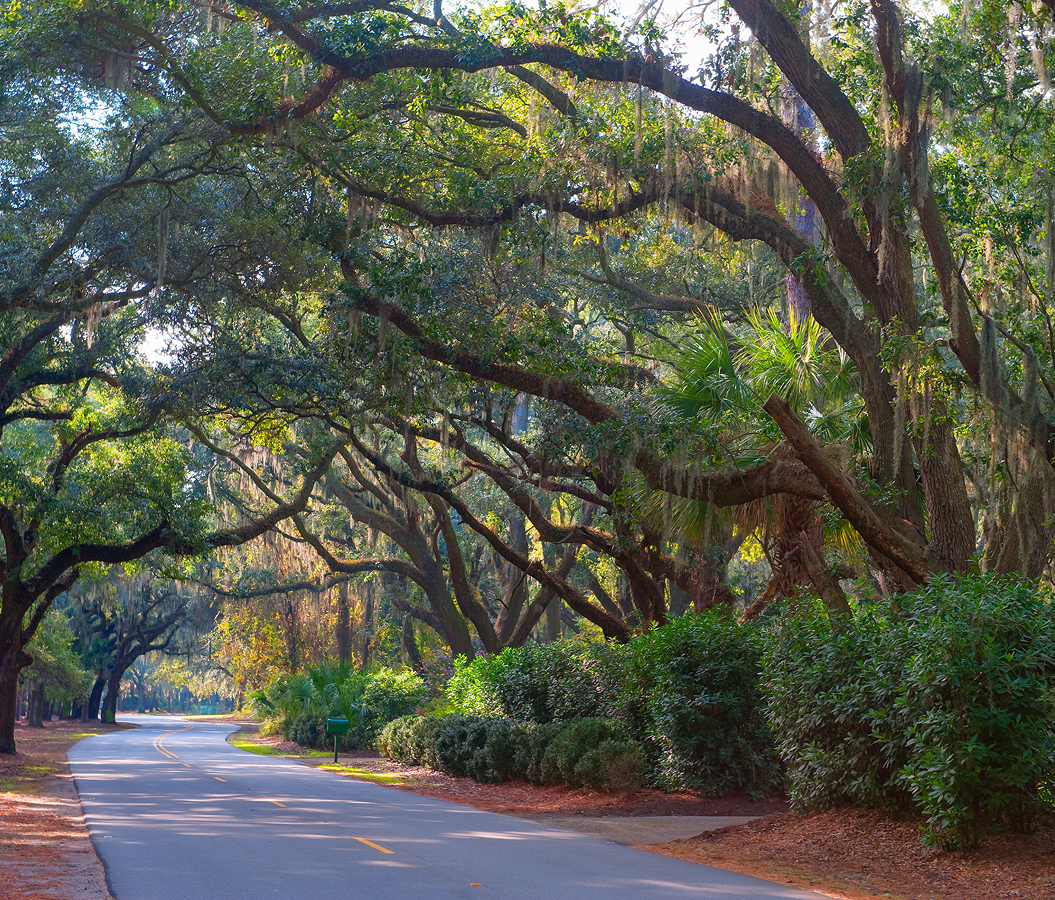
Hidden along the trails of the Sea Pines Forest Preserve near Baynard Park Road, the remains of this once-grand plantation house sit beneath a canopy of moss-draped oaks and palmettos. What survives today are thick tabby walls and fragments of archways, slowly weathered by time but still powerful in their presence. The setting feels almost cinematic. Sunlight filters through the trees, casting shifting patterns across the stone while the nearby water moves quietly beyond the forest edge. Visitors wander through the ruins in near silence, absorbing the sense of history that lingers in every corner. Stoney Baynard Ruins, Hilton Head offers one of the island's most atmospheric glimpses into the layered stories that shaped the region.
What defines Stoney Baynard Ruins, Hilton Head.
Stoney Baynard Ruins traces its origins to the late eighteenth century when Captain Jack Stoney constructed a plantation house on this strategic stretch of coastal land.
The structure was built using tabby, a building material made from oyster shells, lime, sand, and water that was commonly used in coastal South Carolina and Georgia during the colonial era. The plantation thrived for decades before being destroyed during the Civil War in 1863 when Union forces targeted Confederate positions along the island. The house burned during the conflict, leaving only the thick tabby walls that stand today. Over time the surrounding forest reclaimed the site, preserving the ruins as a quiet monument to Hilton Head's plantation era and the dramatic wartime events that reshaped the island. Today the ruins remain protected within the Sea Pines area, where visitors can explore the site along shaded walking paths that reveal both the natural beauty and historical depth of the landscape.
How Stoney Baynard Ruins, Hilton Head fits.
Stoney Baynard Ruins works as a reflective stop while exploring the natural trails and historic sites of the Sea Pines area.
Plan to visit during the early morning or late afternoon when the light filters softly through the maritime forest and the air feels especially still. Follow the quiet trail toward the ruins where the structure gradually emerges between the trees, its weathered tabby walls standing against the surrounding greenery. Take time to walk slowly around the site, noticing the textures of the stone and the way nature has gently reclaimed the space. Afterward, continue along the nearby paths that lead toward the shoreline where views of Calibogue Sound open beyond the forest. The experience leaves a lasting impression of Hilton Head's history woven quietly into its natural landscape.
Where your story begins.
Foresyte Travel reveals places that feel extraordinary long before you arrive.
Enjoy editorial crafted for luxury travelers.
Foresyte may earn a commission when you book.