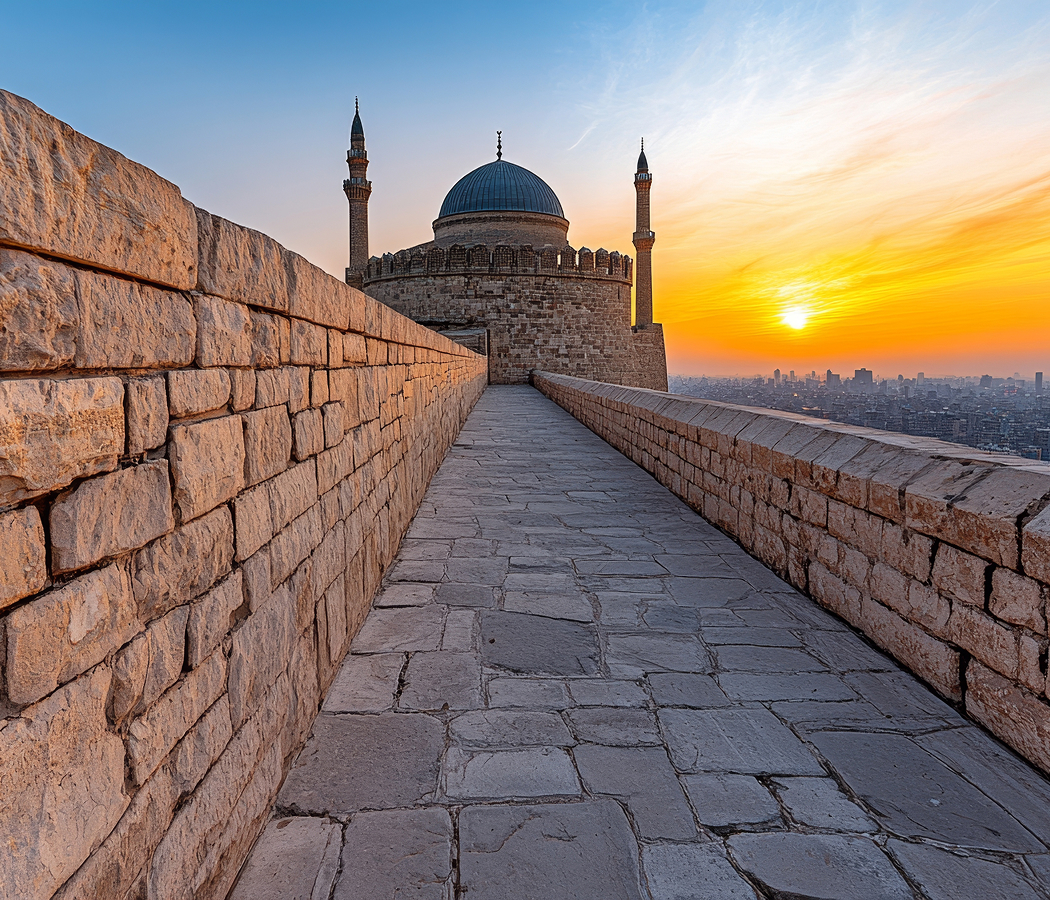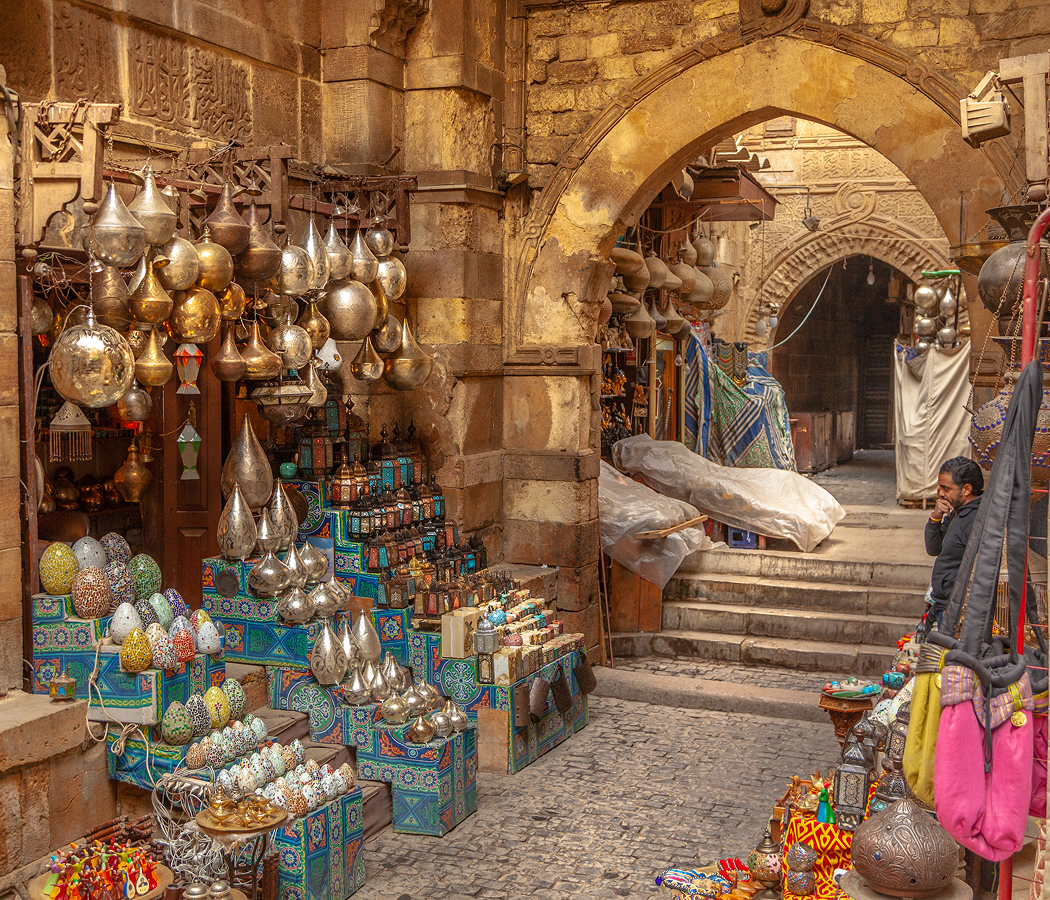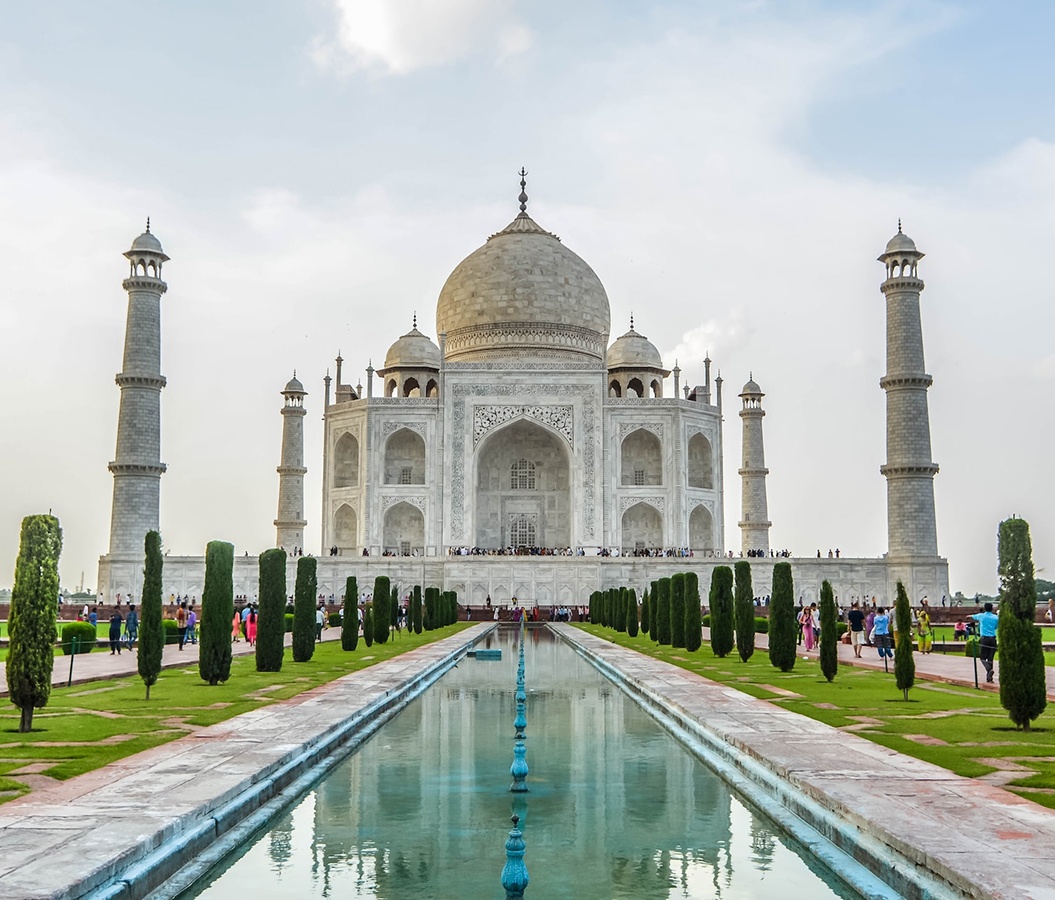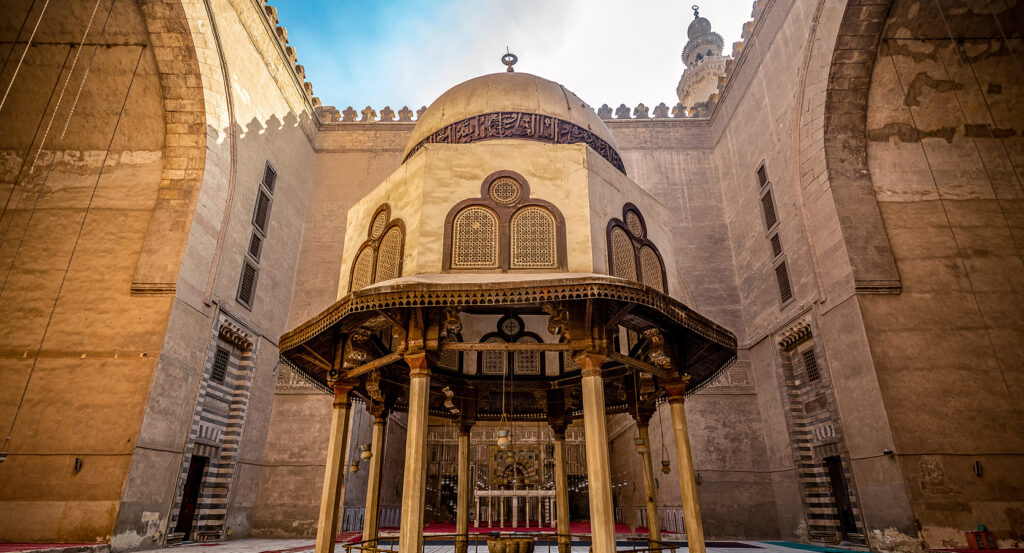
Why you should experience Mihrab and Minbar at Mosque-Madrasa of Sultan Hassan in Cairo, Egypt.
Mihrab and Minbar at Mosque-Madrasa of Sultan Hassan in Cairo stand as the heart within the heart, a sacred duet of craftsmanship and faith that defines one of the most grand interiors in the Islamic world.
Here, art and devotion merge so completely that it's impossible to tell where one ends and the other begins. The mihrab, a concave niche facing Mecca, glows with inlaid marble, onyx, and mother-of-pearl, while the stone minbar beside it rises in quiet authority, its carved panels alive with geometry and grace. Step closer, and you'll see light moving through these patterns as if the stone itself were breathing. Every detail was placed to teach, to remind the worshipper that divine perfection could be pursued through human hands. In a mosque famous for scale, these two elements offer intimacy; in a city known for noise, they offer the stillness of eternity.
What you should know about Mihrab and Minbar at Mosque-Madrasa of Sultan Hassan.
Few artifacts in Cairo embody Mamluk artistry like the mihrab and minbar of Sultan Hassan's mosque, completed around 1361 CE by master craftsmen brought from across the empire.
The mihrab, built from polychrome marble and semiprecious stone, anchors the Qibla Iwan and represents one of the earliest fully integrated examples of geometry and illumination as spiritual metaphor. Its marble panels alternate between soft red, white, and black, bordered by mosaic inscriptions that quote Surah al-Nur, “Allah is the Light of the heavens and the earth.” These verses, encased in stone, were chosen deliberately: when sunlight enters the iwan at a low angle, it travels across the marble face of the mihrab and ignites the inscriptions, creating the illusion that the words themselves emit light. Above the niche, a series of muqarnas half-domes cascade upward, visually guiding the gaze toward heaven. The craftsmanship here fuses Syrian, Anatolian, and Cairene influences, but the result is distinctly Mamluk, disciplined, balanced, and im refined. Beside it, the stone minbar (pulpit) once served as the voice of the complex, where sermons, announcements, and royal decrees were proclaimed to the congregation. Carved from solid limestone rather than the more typical wood, it was meant to endure earthquakes, invasions, and centuries of use. Its sides are intricately chiseled with eight-pointed star motifs and arabesques, each shape corresponding to Quranic numerology: unity, creation, and renewal. Traces of pigment found by conservators suggest that the minbar was originally painted in blue and gold, colors symbolizing divine wisdom and paradise. A staircase of seven steps ascends to a small domed canopy supported by stone columns, the number itself reflecting the seven heavens of Islamic cosmology. The original wooden doors of the minbar, plated with brass and silver, were later replaced during Ottoman restoration, but fragments of the 14th-century design survive in Cairo's Museum of Islamic Art. Together, the minbar and mihrab function not just as liturgical tools but as philosophical declarations, material manifestations of the Mamluk belief that beauty is a form of worship.
How to fold Mihrab and Minbar at Mosque-Madrasa of Sultan Hassan into your trip.
When visiting the Mosque-Madrasa of Sultan Hassan, save time to linger before the stone minbar and mihrab, they're easy to overlook amid the vastness of the prayer hall, yet they carry the complex's deepest intimacy.
Arrive in the morning or late afternoon, when sunlight angles through the high clerestory windows and paints shifting bands of light across the marble walls. Approach slowly from the courtyard's Qibla axis, keeping your eyes on the curve of the iwan as it frames the niche ahead. The transition from open air to enclosed sanctum mirrors the spiritual journey inward. Stand about ten feet before the mihrab, the perfect distance to see both its pattern symmetry and the shimmer of its inlay. If the light is right, you'll notice how the inscription band seems to glow from within. Step to the side, and study the stone minbar: its steps narrow upward, forcing anyone ascending it to bow slightly, an architectural reminder of humility before speaking. The guides here often overlook this symbolism, but it's one of the most subtle and moving gestures in Mamluk design. Spend 20-30 minutes observing the carvings, then sit along the marble base of the iwan and watch how visitors move, every person drawn unconsciously toward the mihrab, as though gravity itself pulls them toward prayer. Before leaving, turn back once more and frame the mihrab within the arch: even without a single worshipper, the space still feels alive with invocation.
Where your story begins.
Foresyte Travel reveals places that feel extraordinary long before you arrive.
Experience premium editorial crafted for luxury travelers.