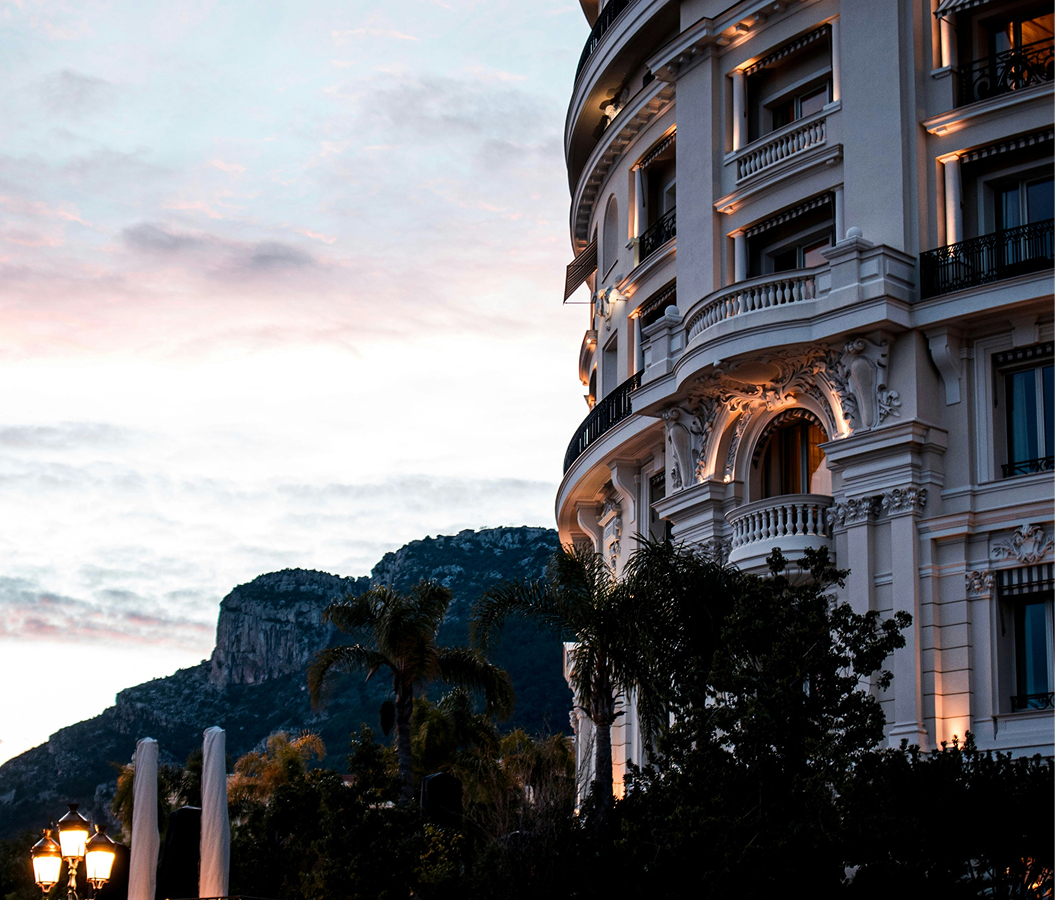
Why Teatro La Fenice matters.
Teatro La Fenice is a resplendent opera house where San Marco's artistic grandeur, operatic brilliance, architectural rebirth, and centuries of Venetian cultural life continue inspiring audiences through one of Italy's greatest stages.
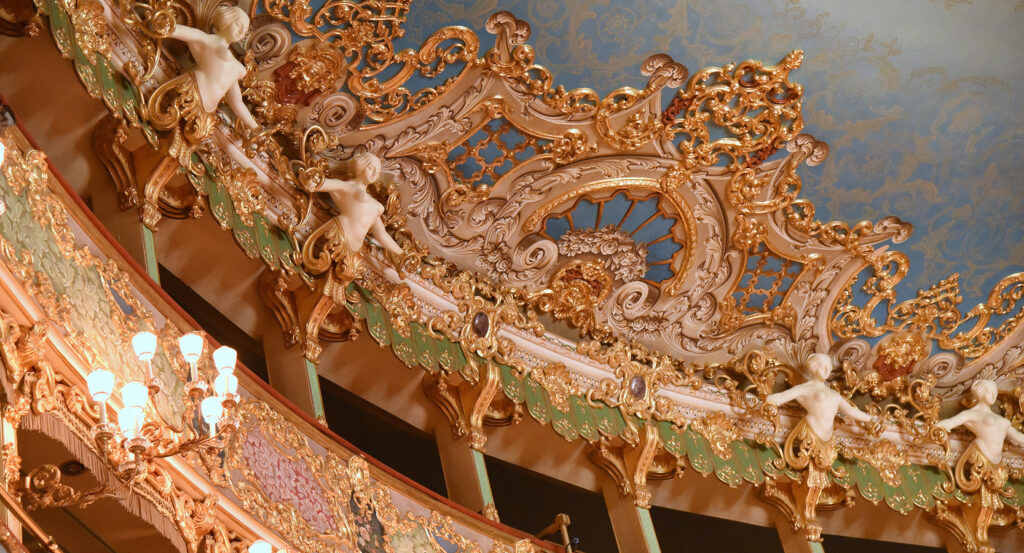
Set along Campo San Fantin near Calle Minelli and just steps from Campo Santo Stefano, this opulent theater envelops visitors in gilded balconies, luminous royal boxes, velvet interiors, and extraordinary acoustics where generations of composers, musicians, and audiences have celebrated the enduring power of opera. Lavish Rococo-inspired ornamentation, glittering chandeliers, painted ceilings, and exquisitely restored performance spaces evoke the elegance of nineteenth-century Venice while preserving a living tradition of world-class music and theatrical excellence. Beauty, craftsmanship, and artistic expression unfold throughout every level as one of Europe's most celebrated opera houses continues defining Venetian cultural identity. The experience ultimately unites music, history, and architectural rebirth into one of Italy's most treasured cultural institutions.
What defines Teatro La Fenice.
Teatro La Fenice is best known for opening in 1792 after designs by architect Giannantonio Selva, becoming one of Europe's foremost opera houses through the premieres of Gioachino Rossini, Vincenzo Bellini, Gaetano Donizetti, Giuseppe Verdi, and numerous twentieth-century composers while earning its symbolic name, “The Phoenix,” through an extraordinary history of destruction and rebirth that culminated in its meticulous reconstruction following the devastating 1996 fire. Commissioned by the Nobile Società di Palchettisti after the loss of Teatro San Benedetto, the theater immediately established itself as Venice's principal operatic venue, hosting landmark world premieres including Rossini's Tancredi and Semiramide, Bellini's I Capuleti e i Montecchi, Verdi's Ernani, Attila, Rigoletto, La Traviata, and Simon Boccanegra, alongside important first performances of works by Igor Stravinsky, Benjamin Britten, Sergei Prokofiev, Bruno Maderna, and Luigi Nono. Fires in 1836 and again in 1996 repeatedly tested the institution's survival, with the latter blaze destroying much of the historic interior before an ambitious reconstruction directed by architect Aldo Rossi and completed under the principle com'era, dov'era, “as it was, where it was,” restored the opera house to its nineteenth-century appearance before reopening in 2003. Intricate gilded stuccowork, hand-painted decorative schemes, historic horseshoe auditorium proportions, exceptional acoustics, and painstaking artisan craftsmanship faithfully revived one of Italy's finest theatrical interiors while integrating discreet contemporary engineering, advanced stage technology, fire protection, and structural reinforcement. Continuing leadership by the Fondazione Teatro La Fenice sustains internationally acclaimed opera productions, symphonic concerts, ballet, educational initiatives, archival preservation, and scholarly research, ensuring the theater remains one of the world's foremost centers of operatic performance and one of Venice's most significant cultural institutions.
Gracefully tiered boxes, richly decorated ceilings, refined acoustics, and masterfully restored interiors immerse audiences in an atmosphere shaped by more than two centuries of operatic excellence. Historic stagecraft traditions coexist with advanced production technology, allowing ambitious contemporary interpretations and celebrated classical repertory to flourish within one of Europe's most distinguished performance spaces. Ongoing restoration, conservation, musical scholarship, and artistic innovation preserve the theater's extraordinary legacy while ensuring new generations encounter opera at the highest international standard. Artistic mastery, architectural fidelity, and enduring cultural vitality combine to establish one of the world's greatest opera houses.
How Teatro La Fenice fits.
Teatro La Fenice works as the centerpiece of an evening exploring San Marco's celebrated artistic and architectural treasures.
Begin at Campo Santo Stefano, where one of Venice's grandest squares introduces the refined character of the surrounding district before arriving at Teatro La Fenice for one of Italy's foremost operatic experiences. Continue to Palazzo Grassi, whose internationally acclaimed contemporary art exhibitions provide a compelling discussion between Venice's artistic heritage and modern creativity. Conclude at Piazza San Marco, where illuminated arcades, Byzantine architecture, and the timeless grandeur of Venice create an unforgettable finale beneath one of the world's most celebrated public squares. The progression moves naturally from elegant Venetian civic space to operatic excellence before concluding at the cultural heart of the city, revealing why San Marco remains one of Europe's greatest artistic districts.
Where your story begins.
Foresyte Travel reveals places that feel extraordinary long before you arrive.
Enjoy editorial crafted for luxury travelers.
Foresyte may earn a commission when you book.