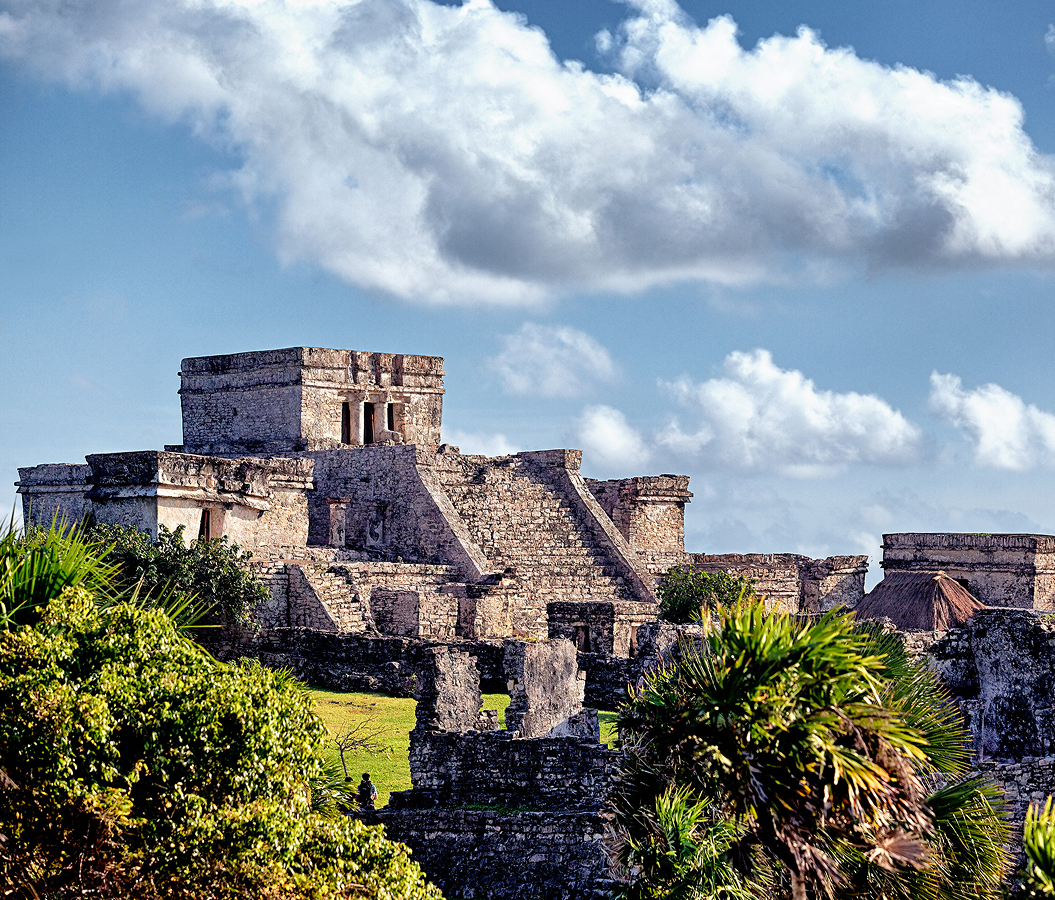
Why you should experience Templo Mayor Museum in Mexico City, Mexico.
Templo Mayor in Mexico City is not just an archaeological site, it's the exposed heartbeat of an empire that once defined an entire world.
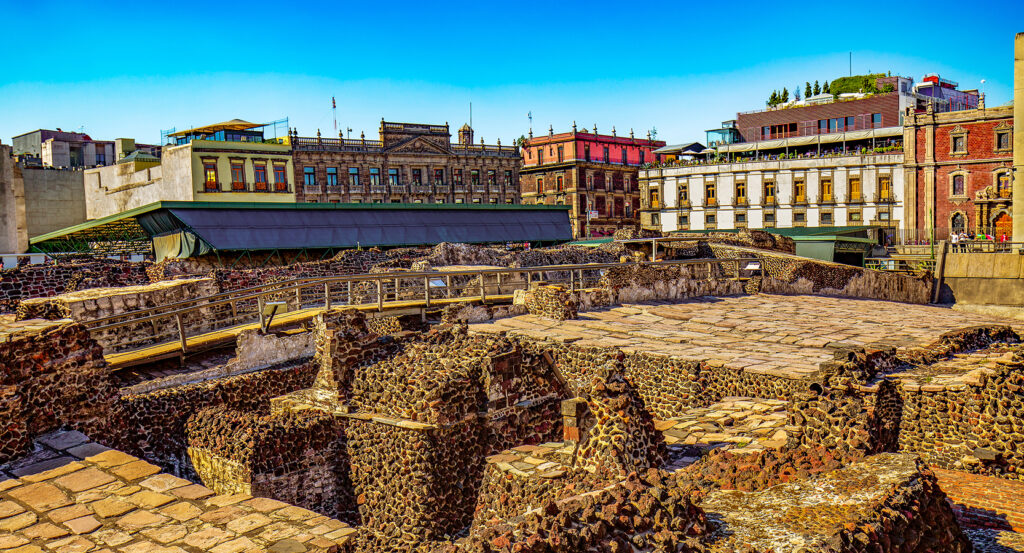
Right in the shadow of the Metropolitan Cathedral and the bustle of the Zócalo, the remains of the great Aztec temple rise from the ground like a revelation, a reminder that beneath the city's colonial facades lies the sacred core of Tenochtitlan, the capital of the Mexica civilization. Walking through the ruins feels like stepping through layers of time: foundations of pyramids built atop one another, stone carvings of gods and serpents, and offerings still emerging from the soil centuries later. Dedicated to the twin deities Huitzilopochtli, god of war and the sun, and Tlaloc, god of rain and fertility, the Templo Mayor once stood as the spiritual and political center of the Aztec world, a towering pyramid visible from every corner of the island city. From this very spot, emperors ruled, priests performed sacred rituals, and processions filled the air with incense and chants that echoed across the waters of Lake Texcoco. Today, as modern life hums around it, the Templo Mayor stands as a bridge between worlds, where the past is not buried but alive, whispering its ancient power into the heart of the capital.
What you should know about Templo Mayor.
The story of Templo Mayor is as much about rediscovery as it is about devotion, a saga of buried grandeur unearthed by chance and transformed into one of Mexico's greatest archaeological treasures.
For centuries, the exact location of the temple was lost beneath the streets of Mexico City, hidden by colonial construction after the Spanish conquest. Then, in 1978, electrical workers stumbled upon a massive carved disk depicting Coyolxauhqui, the moon goddess, a find that ignited one of the most significant archaeological excavations in Latin American history. What followed was the revelation of a sacred precinct that had been layered over time, each Aztec ruler adding new stages and altars to the original pyramid to honor the gods and assert their power. Archaeologists uncovered hundreds of ritual offerings, jade masks, seashells, obsidian blades, animal remains, all meticulously placed to symbolize cosmic balance. Among the most haunting finds were the skull racks, or tzompantli, that once displayed the heads of sacrificial victims, reminding visitors of the temple's dual nature: beauty intertwined with blood, creation born of sacrifice. The site's accompanying museum, Museo del Templo Mayor, holds thousands of these artifacts, including the monolithic sculpture of Tlaltecuhtli, the earth goddess, unearthed in 2006, a discovery that deepened understanding of Mexica cosmology. Few realize that the Templo Mayor was precisely aligned with the rising sun on the equinox, reflecting the Mexica's profound knowledge of astronomy and their belief that they lived at the center of the universe.
How to fold Templo Mayor into your trip.
A visit to Templo Mayor is to walk the spine of Mexico City's history, from ancient ritual to colonial conquest to modern rebirth.
Start the journey at the entrance beside the Metropolitan Cathedral, where the contrast between the two structures immediately sets the tone: the sacred heart of the Mexica empire beside the symbol of Spanish domination. As you follow the wooden walkways through the ruins, take your time, each stone tells a fragment of the story. Look for the serpent heads that once framed the temple staircases, the remnants of altars where offerings were made, and the traces of vivid pigments that once covered the walls in red and blue. From the upper viewing platforms, pause to imagine the scale of the original pyramid, once nearly 60 meters high and crowned with twin shrines that blazed with fire offerings. After exploring the site, enter the Museo del Templo Mayor, where dim lighting and modern displays bring the artifacts to life. Don't miss the Coyolxauhqui stone that started it all, its intricate depiction of the dismembered goddess remains one of the most stunning works of Aztec art ever found. Allow yourself two hours to explore both the ruins and museum, ideally in the morning when the crowds are thinner and the light is soft. When you emerge back into the Zócalo, the contrast will strike you, colonial streets thriving above the buried city that once ruled all of Mesoamerica. Templo Mayor isn't just an archaeological site; it's Mexico's origin story revealed, a sacred reminder that the heart of Tenochtitlan still beats beneath your feet.
Where your story begins.
Foresyte Travel reveals places that feel extraordinary long before you arrive.
Experience premium editorial crafted for luxury travelers.