Why you should experience The Inn on Biltmore Estate in Asheville, North Carolina.
The Inn on Biltmore Estate is the quiet heartbeat of the Biltmore experience, where the estate's legacy, landscapes, and unhurried sense of place shape every moment with calm continuity.
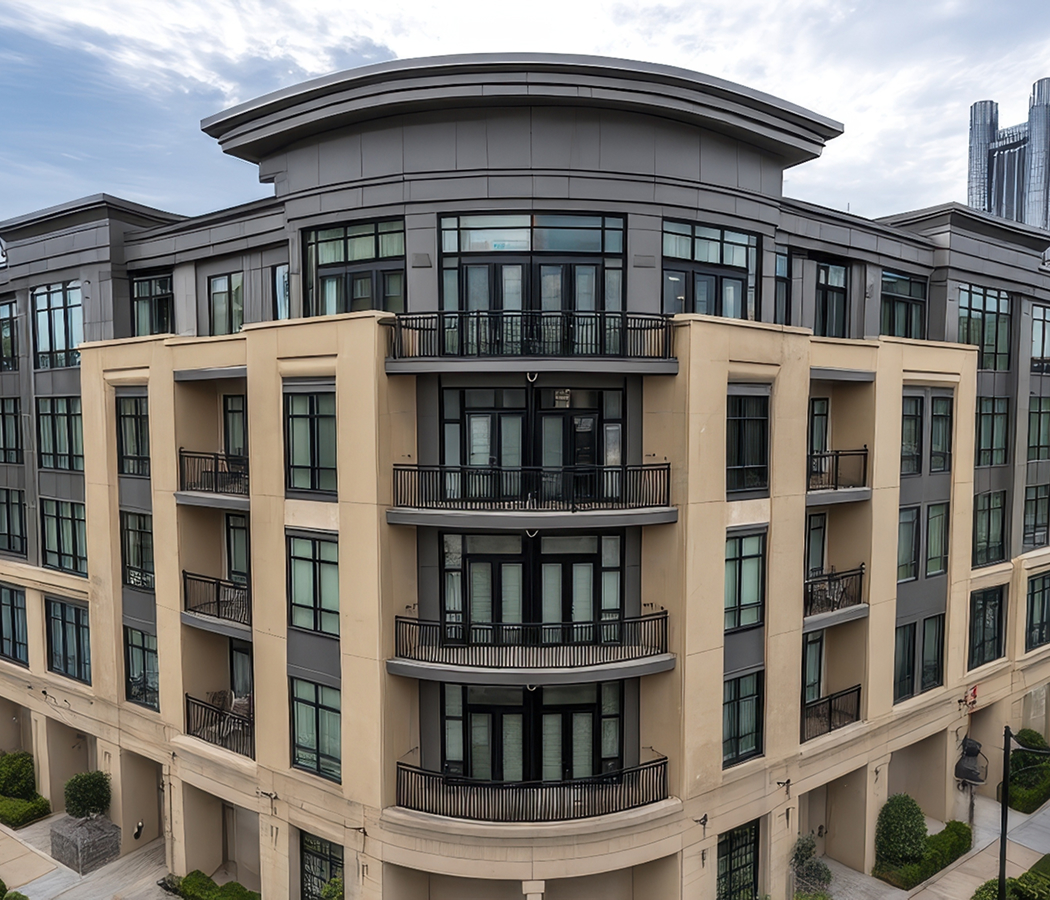
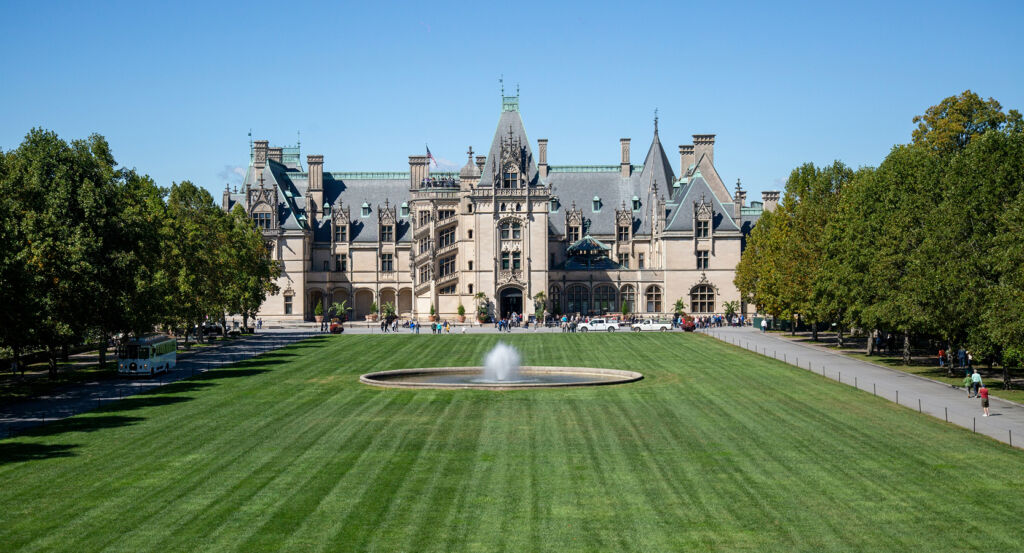
From the moment you arrive, the experience feels rooted in a deep sense of continuity, not theatrical luxury, not resort performance, but spatial and resonant coherence. The inn sits within the Biltmore Estate grounds, yet it doesn't announce itself through grand gestures. Instead, you approach a composition of materials, light, and proportion that feels grown rather than assembled: slate roofs, stonework that absorbs light rather than reflects it, and windows that lightly frame the surrounding gardens and hills rather than compete with them. There is a sense here that the built environment is a companion to the land, not a stage set placed upon it. Inside, public spaces aren't vast exhibition halls. They are warm, quiet places where wood, stone, and soft natural light form an architecture of stillness. Seating is composed so that views of gardens or ridges are always within sight but never forced. Corridors don't funnel you; they allow movement at a human pace. It's a hotel that feels like it was designed for deep days and long evenings, not rushed check-ins and friction. Guest rooms mirror this sensibility. They are proportioned with restraint and comfort, with beds that invite sleep as a real activity. Interiors favor a quiet palette inspired by the estate's natural tones, soft greens, warm neutrals, muted woods, allowing light and seasonality to shape the room's character. Windows connect you to the gardens and, in many rooms, to distant ridgelines, creating a sense of belonging to the landscape. Bathrooms are spacious and quietly crafted, supporting routine. What defines The Inn on Biltmore Estate is not luxury as performance but luxury as context, a feeling that you are living inside the estate.
What you should know about The Inn on Biltmore Estate.
The Inn on Biltmore Estate occupies a unique place in Asheville's hospitality landscape, one that is more about presence than presentation, and that distinction quietly shapes the way your days unfold across the estate.
The property is defined by subtle architecture and deliberate spatial choices that reinforce continuity with the Biltmore grounds and gardens. This isn't a hotel that attempts to mimic the chateau or pastiche historic styles. Instead, it feels like an outgrowth of the estate's own material logic, stone anchored to the earth, woods that deepen in light, plaster and textiles that soften sound. These design choices matter more than you'd guess; they shape sound, light, and movement in ways that make the experience feel cohesive and calm. Another lesser-known strength of the inn is how it functions as a psychological anchor for estate experiences. Biltmore is vast, gardens, grounds, house tours, trails, winery, and this scale can be exhilarating but also overwhelming. The Inn serves as a stabilizing counterpoint, a place you can return to without having to leave the experience behind. Because arrival feels like settling into a home base rather than disembarking, midday breaks are genuine pauses rather than interruptions. Service here mirrors this grounded approach. Staff interactions are attentive but understated, shaped by an understanding of the estate's rhythms. Recommendations tend to be specific and practical, best times to visit particular gardens for light and silence, when the house feels least crowded, how seasonal weather patterns affect outdoor strolls. This local nuance quietly improves the quality of your days. The dining experience at the inn reinforces this tone. Meals are not high drama but carefully composed, local ingredients, thoughtfully integrated seasonal elements, and service that feels patient. The gardens and outdoor seating areas extend the dining environment into the landscape, so you don't feel boxed in by walls or forced into a particular rhythm. The estate's seasonal changes are another facet many visitors don't immediately grasp but feel deeply: autumn light brings a different architectural discussion than spring blooms or winter's hush. At The Inn, rooms, gardens, and corridors register these seasonal shifts rather than resist them, creating a living discussion between inside and out that feels rare in hotel environments.
How to fold The Inn on Biltmore Estate into your trip.
The Inn on Biltmore Estate works best when you allow it to act as the resonant and spatial center of your Biltmore experience, a place to arrive into.
Begin your mornings slowly. Wake to light filtered through estate gardens and the hint of distant ridges. Have breakfast where architecture meets landscape, letting the day unfold with the promise of space. Step into the Biltmore House or gardens without rush; here, early hours feel calmer, not empty. Let midday become a gentle reset. Return to your room or a quiet garden bench, rest, read, or simply sit with a coffee as light moves across stone and leaf. This break isn't interruption, it's part of the estate's own rhythm. Afternoons are open. Visit the winery, stroll hidden paths, or drive to viewpoints that reveal the broader landscape beyond the estate. Return for dinner when you feel drawn back, not because it's scheduled. Meals at The Inn feel like continuations of the day's journey. Evenings settle into quiet reflection or unhurried conversation, with the glow of interior and exterior light marking the approach of rest. Over multiple days, your sense of time subtly shifts. You stop chasing viewpoints and start noticing transitions, how light moves on stone, how wind shapes gardens, how silence anchors your body at night. The inn becomes not a backdrop but a context, the space in which your experience of the estate deepens.
Where your story begins.
Foresyte Travel reveals places that feel extraordinary long before you arrive.
Experience premium editorial crafted for luxury travelers.