Why you should experience Temple of the Wind God in Mexico.
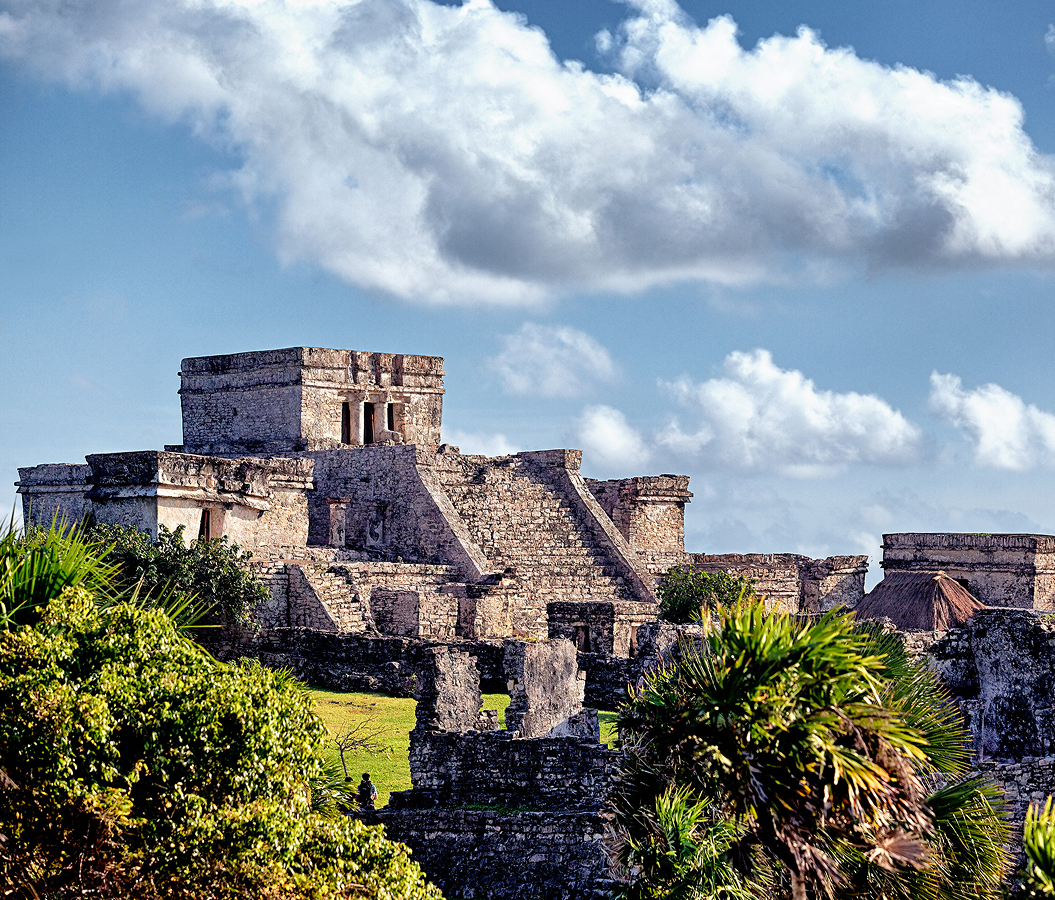
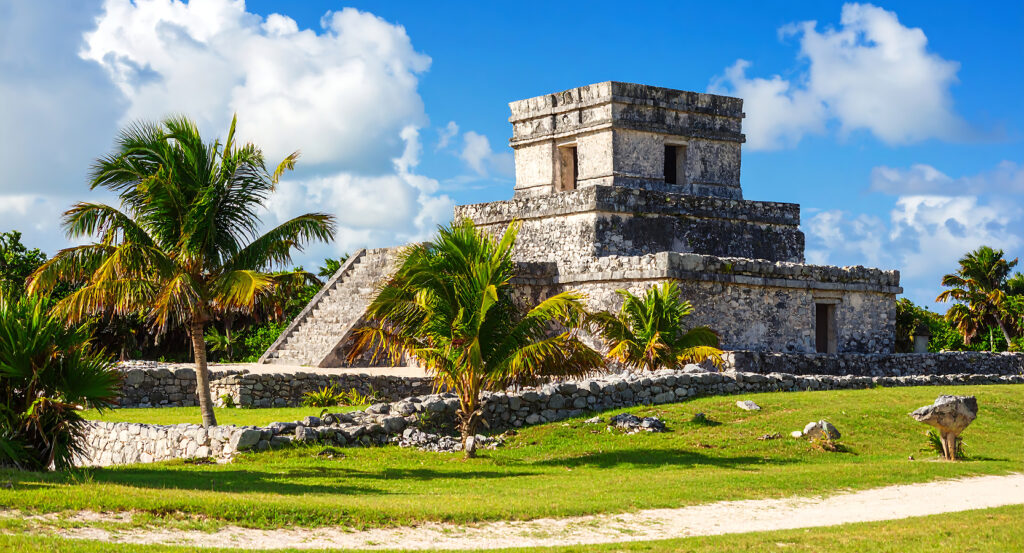
The Temple of the Wind God at Tulum is among the site's most poetic landmarks, a small, circular structure perched above the Caribbean Sea, where ancient architecture and natural elements meet in perfect balance.
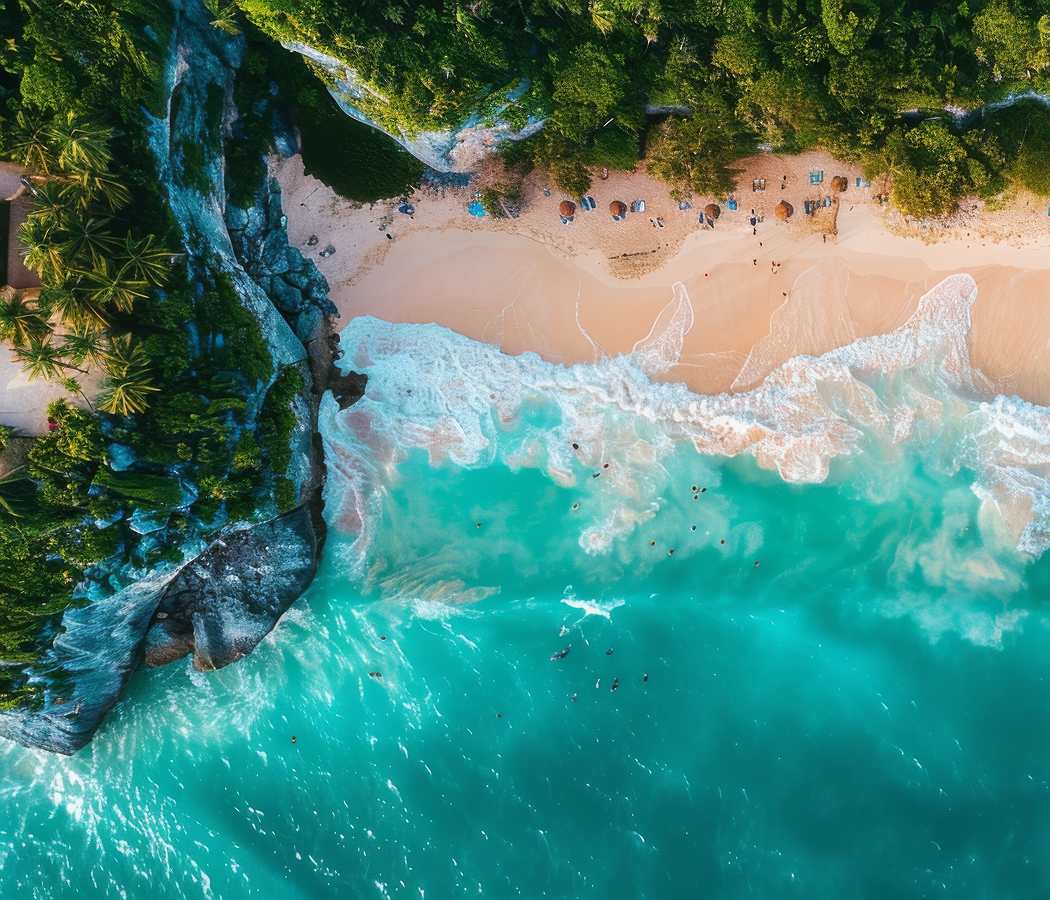
Situated near the northern edge of the Tulum Archaeological Zone, it commands sweeping views of turquoise waters and white sand below, its rounded base softly echoing the shape of ocean waves and gusts of wind that swirl around it. To the ancient Maya, this was a temple not just of worship, but of warning and protection. Dedicated to Ehecatl, the Wind God, an aspect of the feathered serpent Kukulcán, the temple symbolized the invisible forces that governed both nature and life itself. As trade canoes navigated the coastline, this small shrine served as a sacred marker guiding them home. Today, standing before it, you feel the same energy that the Maya revered, a place where the air moves differently, charged with rhythm and reverence, as if the wind still carries the echoes of ancient prayers.
What you should know about Temple of the Wind God.
The Temple of the Wind God dates to the Postclassic period, around the 13th-15th centuries, and reflects the Maya's profound connection to the natural world.
Its circular design, rare among Maya temples, was intentional: the rounded form reduced resistance to strong coastal winds and symbolized the cyclical flow of air, storms, and celestial movement. Archaeologists believe the temple also functioned as an early warning system for hurricanes. Openings in its walls once held conch shells that, when wind pressure rose to dangerous levels, produced a haunting sound that signaled an approaching storm. This ingenious fusion of architecture and environmental awareness reveals the sophistication of Maya engineering. The temple's alignment with the sea and prevailing trade winds also suggests a dual role, spiritual sanctuary and navigational point for sailors along the Yucatán's coast. Its placement near the cliff's edge was deliberate, ensuring that it stood as both a sentinel and a symbol of balance between human creation and the untamable power of nature. The Wind God himself represented renewal and breath, the life force that moves between worlds, making this one of the most spiritual corners of the entire site.
How to fold Temple of the Wind God into your trip.
When exploring the Tulum Archaeological Zone, make the Temple of the Wind God your moment of calm, it's one of the most serene and elemental experiences in the ruins.
After visiting El Castillo and the House of the Columns, follow the path north along the cliffside until the trail opens to the sea. The temple appears almost suddenly, framed against the horizon, compact, circular, and timeless. Visit early in the morning or near sunset when the light softens and the wind rises; the atmosphere becomes ethereal, the sound of waves merging with the steady breath of the breeze. Take a few minutes to stand still and simply listen, the temple's true purpose reveals itself through the air that moves around it. Photography here is spectacular, especially from the angle that captures both the temple and the shoreline below. Pair your visit with a stop at Playa Ruinas afterward for a swim beneath the cliffs, the same waters once protected by this ancient guardian. The Temple of the Wind God is not about grandeur; it's about grace, a structure that reminds you that the most powerful forces in life are often the ones you can't see, only feel.
Where your story begins.
Foresyte Travel reveals places that feel extraordinary long before you arrive.
Experience premium editorial crafted for luxury travelers.