Why you should experience Walker Street in Atlanta, Georgia.
Walker Street is a historic Castleberry Hill corridor where warehouse architecture, railroad heritage, and creative reinvention have transformed one of the city's most distinctive urban streets.
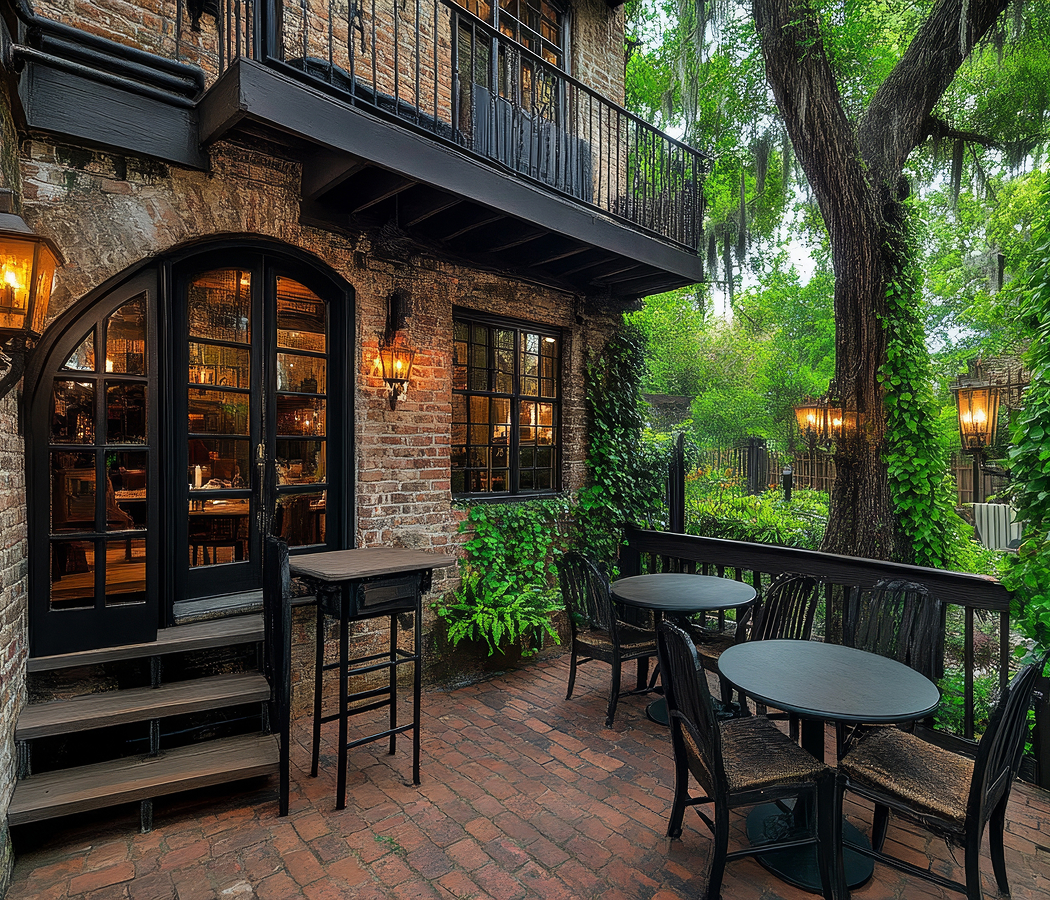
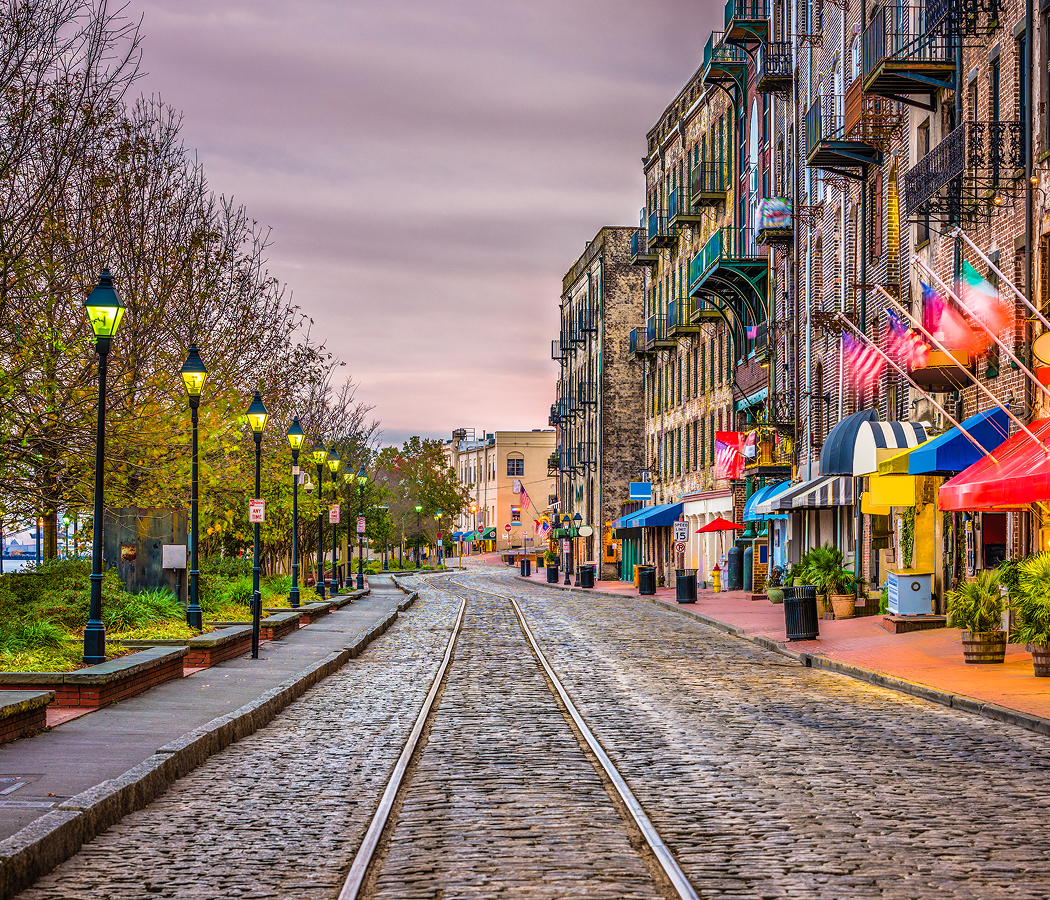
Running through Castleberry Hill between Northside Drive and Peters Street, this character-filled corridor links converted warehouses, contemporary art galleries, acclaimed restaurants, creative studios, historic brick buildings, loft residences, and energetic public spaces that reflect Atlanta's remarkable industrial evolution. Preserved nineteenth-century commercial architecture blends seamlessly with thriving cultural businesses, while year-round gallery events and neighborhood activity create an atmosphere where preservation, entrepreneurship, and artistic expression flourish together. Throughout every season, Walker Street remains one of the city's defining historic corridors. The result is a street where industrial legacy, architectural authenticity, and creative energy continue to shape one of the South's premier adaptive reuse districts.
What you should know about Walker Street.
Walker Street is best known for preserving the warehouse district that emerged alongside Atlanta's railroad freight network, forming the industrial backbone of what is now the Castleberry Hill Historic District, among the city's largest concentrations of intact late nineteenth-century commercial architecture.
During the late nineteenth and early twentieth centuries, Walker Street developed as part of Atlanta's expanding freight and warehouse district, benefiting from its immediate proximity to the city's extensive railroad infrastructure. Wholesale merchants, manufacturers, and distribution businesses constructed substantial brick warehouses that supported Atlanta's emergence as the commercial hub of the Southeast. Many of these buildings survive today within the Castleberry Hill Historic District, where adaptive reuse has transformed former industrial spaces into galleries, restaurants, residences, and creative workplaces while preserving their historic character. Few Atlanta streets demonstrate the city's railroad-driven commercial development and successful architectural preservation as clearly as Walker Street.
How to fold Walker Street into your trip.
Walker Street works as an exploration of Castleberry Hill's remarkable blend of industrial architecture, public art, and cultural heritage.
Begin along Walker Street, where beautifully preserved warehouse buildings immediately establish the corridor's historic industrial character. Continue to Castleberry Hill Historic District, whose nationally recognized collection of brick warehouses celebrates one of Atlanta's finest historic neighborhoods. From there, explore Mercedes-Benz Stadium, where award-winning contemporary architecture showcases one of the world's premier sports and entertainment venues, before concluding at Centennial Olympic Park, whose iconic public spaces provide a memorable finale to an afternoon shaped by history, architecture, and urban discovery. Along the route, public art, neighborhood cafés, converted loft buildings, pedestrian-friendly streets, local galleries, creative studios, and energetic gathering spaces demonstrate how Castleberry Hill continues to celebrate one of Atlanta's richest traditions of industrial reinvention.
Where your story begins.
Foresyte Travel reveals places that feel extraordinary long before you arrive.
Experience premium editorial crafted for luxury travelers.