Why West End Park matters.
West End Park is a deeply rooted neighborhood green space where basketball courts, shaded lawns, playgrounds, and generations of Southwest Atlanta community life unfold beneath towering trees and historic streets.
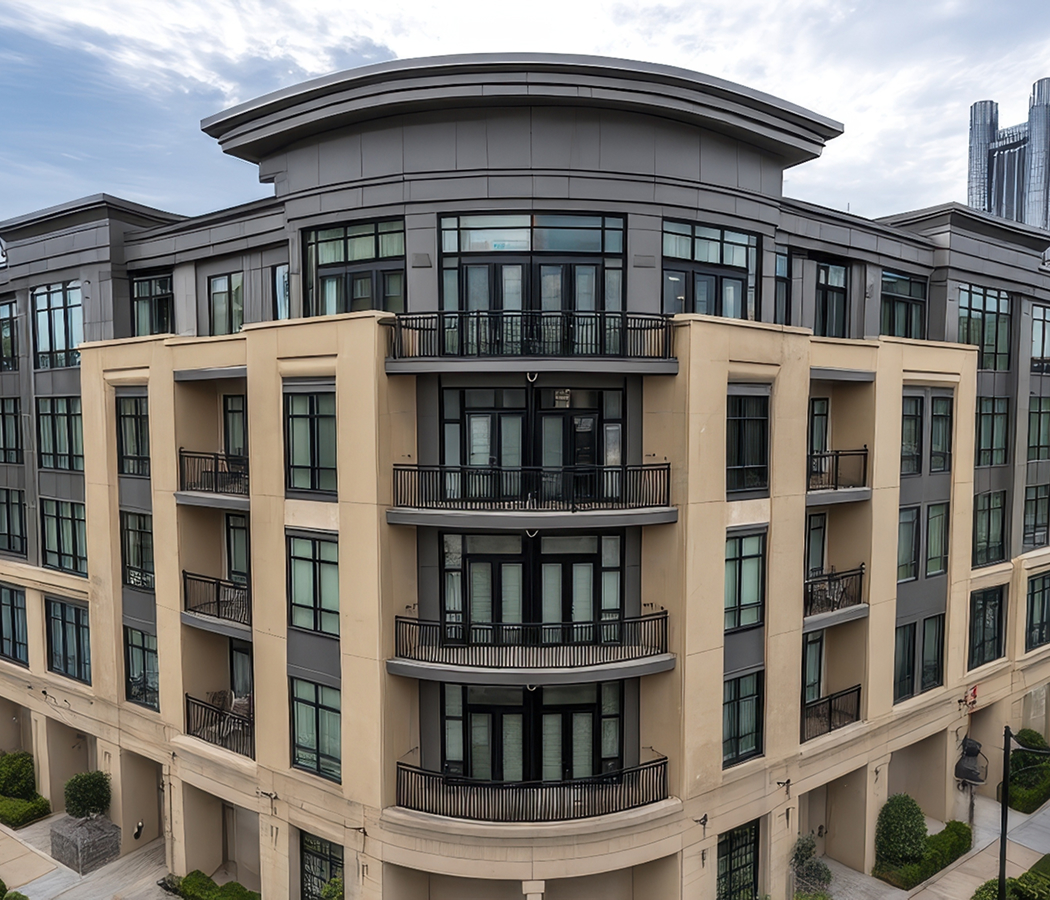
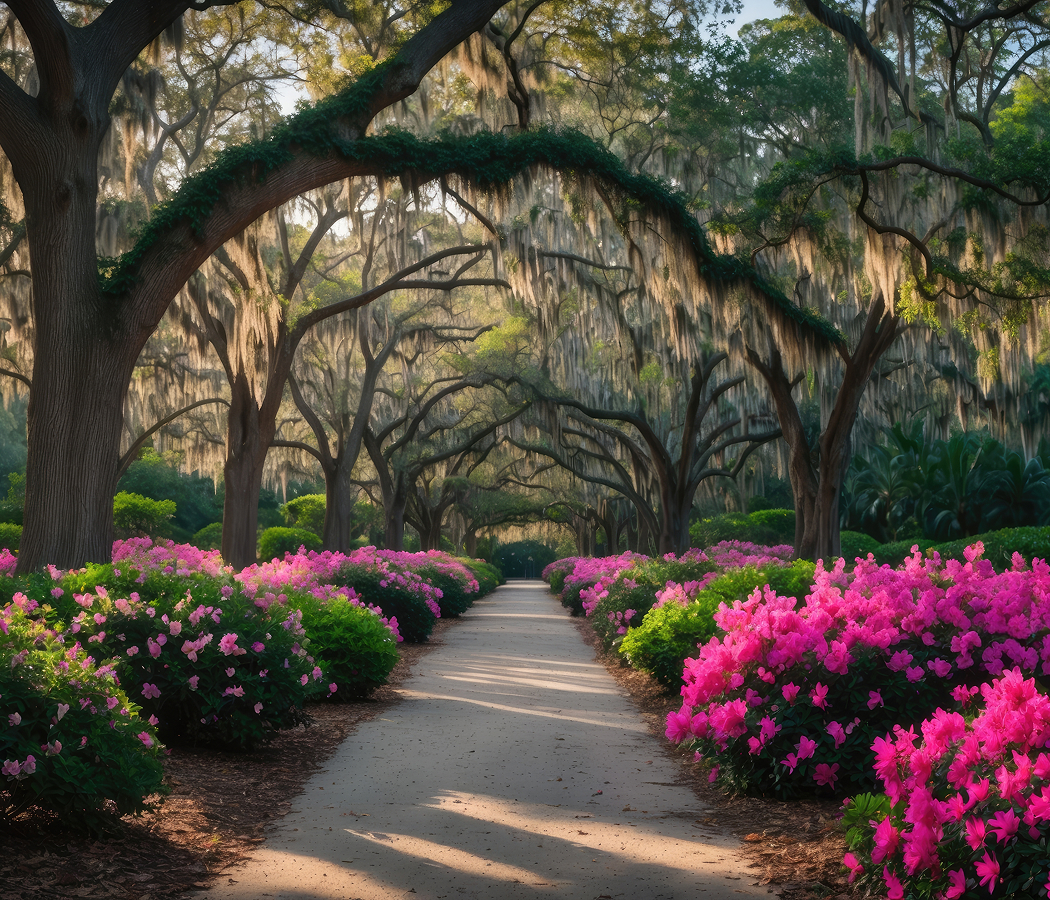
Set along Oak Street near Ralph David Abernathy Boulevard and just steps from the West End neighborhood and the Atlanta BeltLine Westside Trail, this longstanding community park carries the unmistakable rhythm of a place woven directly into the daily life surrounding it. Kids race across playgrounds while pickup basketball games echo from the courts beneath the sound of music drifting from parked cars and conversations carrying between benches, sidewalks, and shaded picnic areas. The park feels active. Families gather beneath large trees while runners move along the pathways connecting outward toward the BeltLine and nearby historic residential blocks lined with craftsman homes, churches, and longtime neighborhood landmarks. The air smells of cut grass, barbecue smoke, warm pavement, summer humidity, and fresh earth after rain while the sounds of the city soften slightly beneath birdsong and distant traffic moving through Southwest Atlanta beyond the trees. West End Park feels lived in completely.
What defines West End Park.
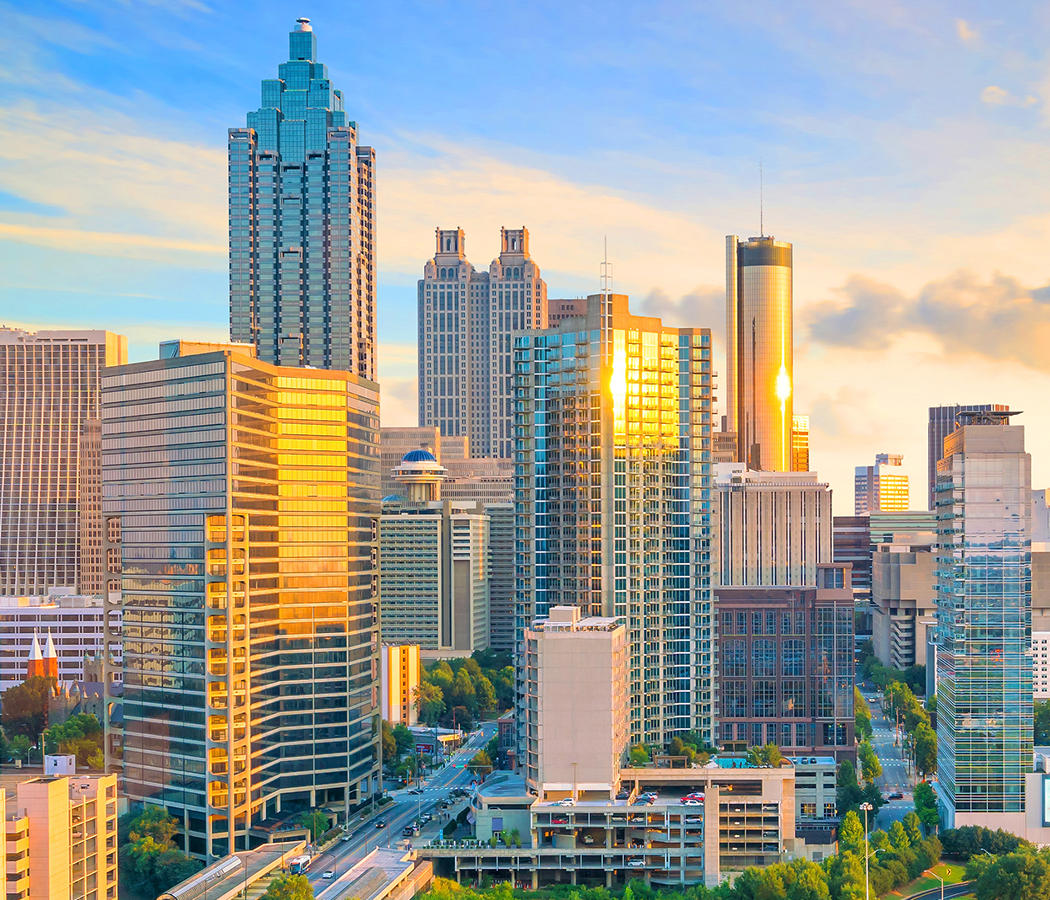
West End Park sits within one of the city's most historically significant neighborhoods, an area deeply tied to Atlanta's Black cultural, civic, and residential history stretching back well over a century.
The surrounding West End neighborhood developed as one of Atlanta's earliest streetcar suburbs before evolving into a major center of Black middle-class life, education, religion, activism, and cultural leadership throughout the 20th century. Parks like West End Park became essential communal infrastructure within that history, functioning not only as recreation space but as gathering grounds for families, youth sports, neighborhood events, and everyday social life across generations. The arrival of the BeltLine Westside Trail nearby introduced a new layer of movement and visibility into the area, connecting longtime residents, cyclists, runners, and newer visitors through infrastructure that physically re-links historically disconnected neighborhoods across Atlanta's southwest side. Unlike heavily programmed destination parks, though, West End Park still maintains its neighborhood-first character above everything else.
How West End Park fits.
West End Park works best when approached as part of a broader walk through the West End neighborhood and BeltLine corridor rather than treated as an isolated attraction.
Visit during the afternoon or early evening when the park reaches its most natural rhythm beneath the trees and neighborhood movement surrounding it. Walk the paths slowly and allow yourself time to notice the atmosphere rather than rushing through toward the next stop. Around you, basketball games unfold beside playgrounds while families gather beneath shaded areas and BeltLine traffic flows steadily nearby through one of Atlanta's most historically layered communities. The strongest version of West End Park reveals itself through observation, the mix of generations, conversations, neighborhood familiarity, and the sense that the park exists first for the people who live around it every day. Continue into the surrounding West End streets afterward, where historic homes, local businesses, murals, and BeltLine connections deepen the feeling of place beyond the park itself.
Where your story begins.
Foresyte Travel reveals places that feel extraordinary long before you arrive.
Enjoy editorial crafted for luxury travelers.
Foresyte may earn a commission when you book.