Why Wieuca Road matters.
Wieuca Road is a graceful corridor where North Buckhead's wooded landscapes, residential prestige, suburban heritage, and enduring community character define one of Atlanta's most recognizable east-west thoroughfares.
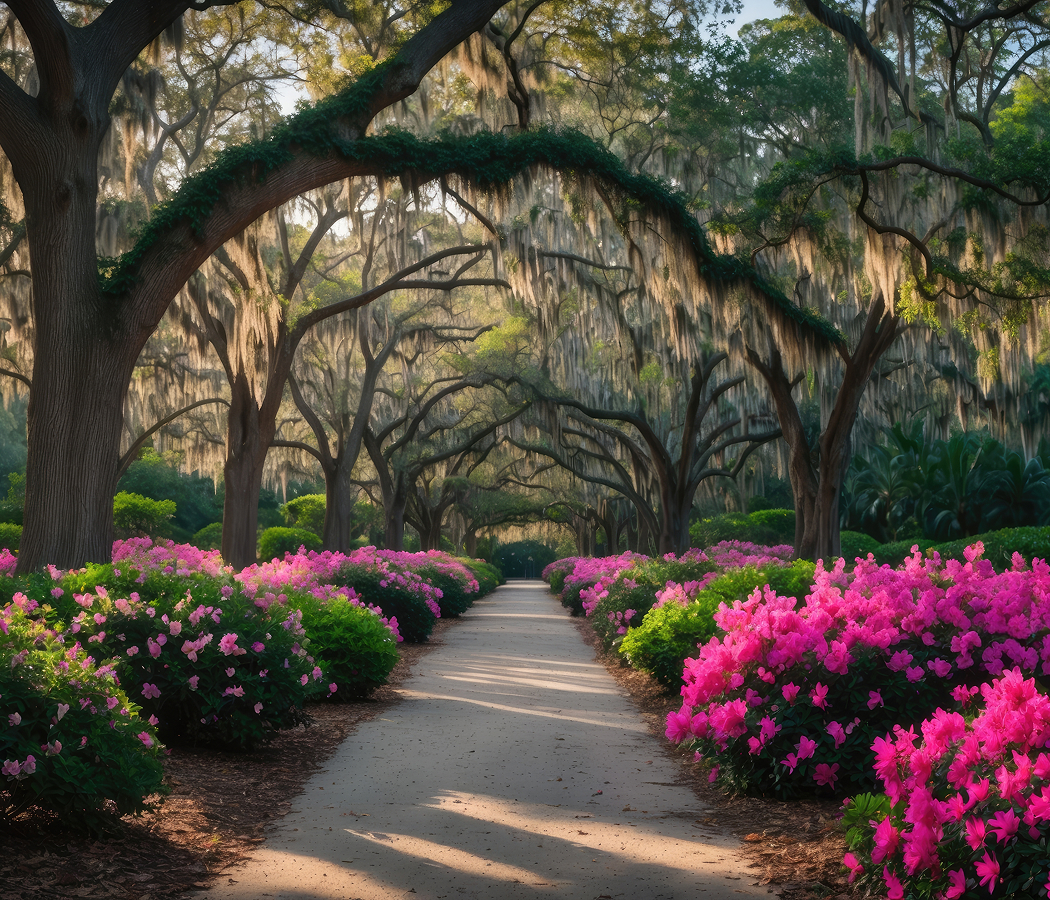
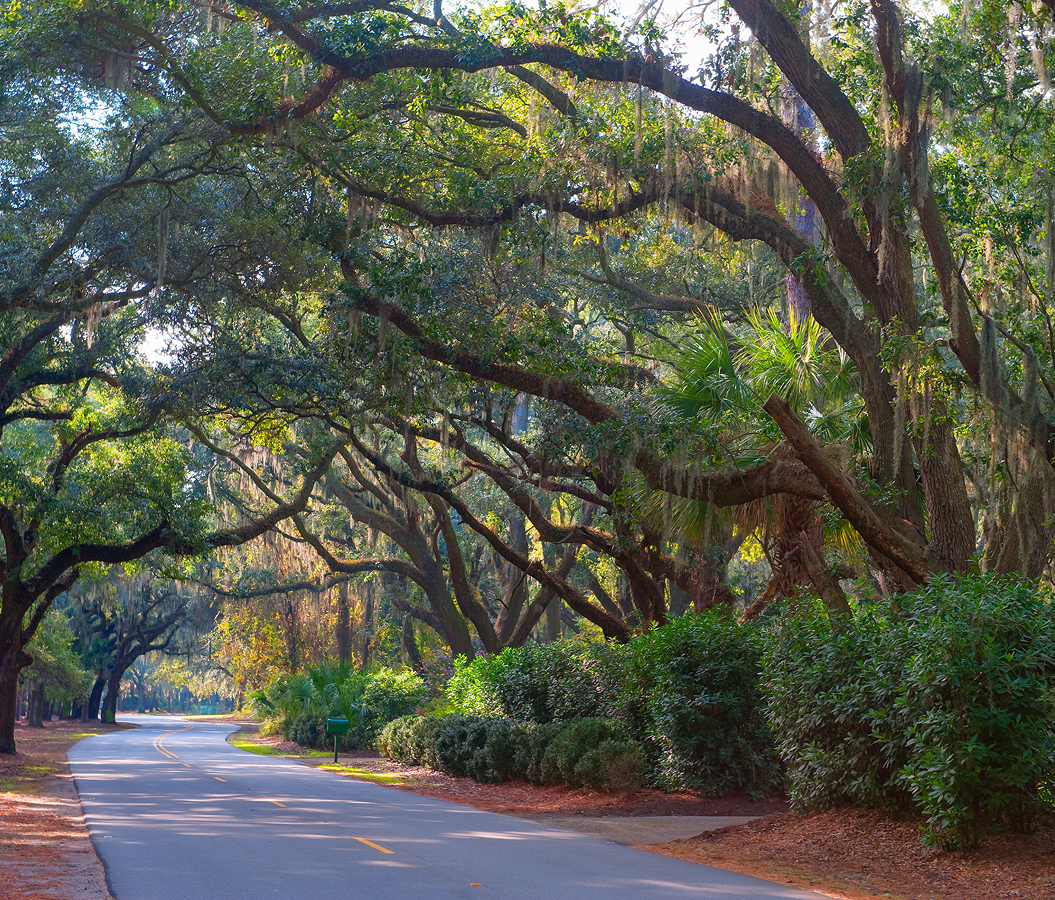
Running through North Buckhead between Chastain Park and Pine Hills, the corridor connects established residential enclaves, places of worship, neighborhood institutions, and commercial destinations that collectively reflect Buckhead's transformation from rural crossroads into one of metropolitan Atlanta's most distinguished districts. Successive segments reveal how twentieth-century suburban expansion, thoughtful roadway design, and carefully preserved natural topography established an avenue whose mature landscape continues shaping northern Buckhead. Curving alignments, dense hardwood canopy, brick residences, and generous setbacks preserve a visual character uncommon within a major American city. The result is an experience defined by continuity, elegance, and one of Buckhead's most distinctive corridors.
What defines Wieuca Road.
Wieuca Road is best known for tracing part of Buckhead's transition from agricultural countryside into one of Atlanta's premier residential districts during the decades following World War II, when large estates gave way to carefully planned suburban neighborhoods across northern Fulton County. Residential construction accelerated throughout the 1950s and 1960s, introducing ranch houses, Colonial Revival residences, split-level homes, and traditional brick architecture distinguished by winding street layouts that responded to rolling topography. The corridor derives its name from Wieuca Creek, whose Muscogee origins reflect the Indigenous history of the region long before Atlanta's expansion, while the creek itself continues flowing through heavily wooded portions of North Buckhead. Construction of Georgia State Route 400 during the late twentieth century dramatically altered regional mobility, strengthening east-west connections while preserving Wieuca Road's primary function as a neighborhood corridor rather than a commercial arterial. Collectively, these layers of Indigenous geography, postwar suburban development, transportation evolution, and architectural continuity established Wieuca Road as one of North Buckhead's defining corridors.
Flowing beneath and alongside portions of the corridor, Wieuca Creek feeds the Nancy Creek watershed, where mature hardwood forests, steep stream banks, and native vegetation continue shaping roadway geometry and preserving the area's distinctive landscape character. Nearby Wieuca Road Baptist Church, established in 1955, grew alongside the surrounding neighborhoods and became one of Buckhead's longstanding religious institutions before its congregation later merged with Johnson Ferry Baptist Church, marking a significant chapter in the corridor's community history. Extensive concentrations of mid-century residences retain original brick masonry, fieldstone retaining walls, slate roofing, and heavy timber construction that demonstrate the craftsmanship associated with Buckhead's principal era of suburban growth. Ultimately the corridor's natural watershed, enduring institutional history, and remarkably intact residential fabric demonstrate how Wieuca Road has maintained a strong sense of place while the metropolitan region surrounding it has expanded dramatically.
How Wieuca Road fits.
Wieuca Road works as an exploration of Buckhead's natural landscapes, architectural heritage, and cultural traditions.
Begin at Atlanta History Center, where historic houses, exhibitions, and gardens establish the broader story of Buckhead's evolution before naturally leading into the surrounding residential landscape that Wieuca Road helped shape. Continue to Blue Heron Nature Preserve, where wooded trails, restored wetlands, and native habitats deepen appreciation for the environmental character that continues defining North Buckhead while providing a seamless transition through the area's protected green spaces. Conclude at Chastain Park Amphitheater, where nationally recognized performances beneath a canopy of mature trees provide the cultural payoff by illustrating how recreation, music, and community gathering have become enduring expressions of Buckhead's identity. Together, the sequence reveals how history, ecology, and culture combine to define one of Atlanta's most distinctive residential districts.
Where your story begins.
Foresyte Travel reveals places that feel extraordinary long before you arrive.
Enjoy editorial crafted for luxury travelers.
Foresyte may earn a commission when you book.