Why you should experience the Xel-Há Lagoon near Tulum.
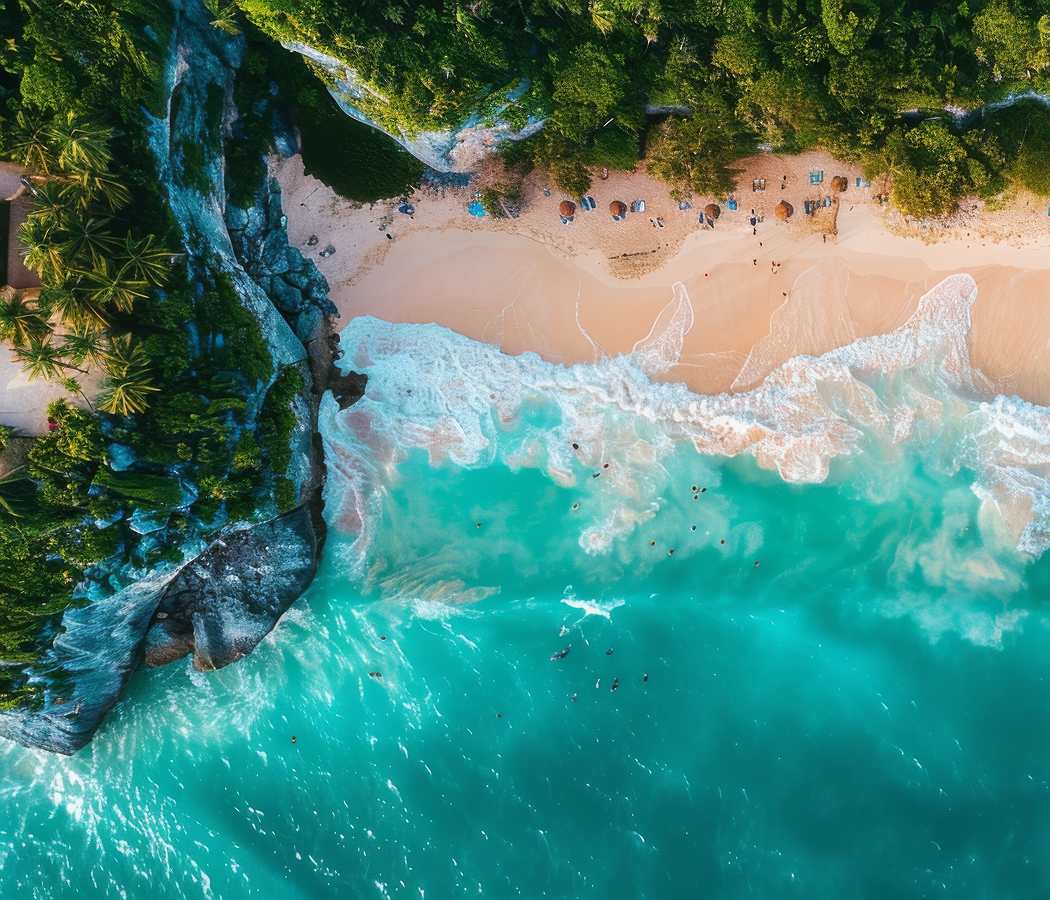
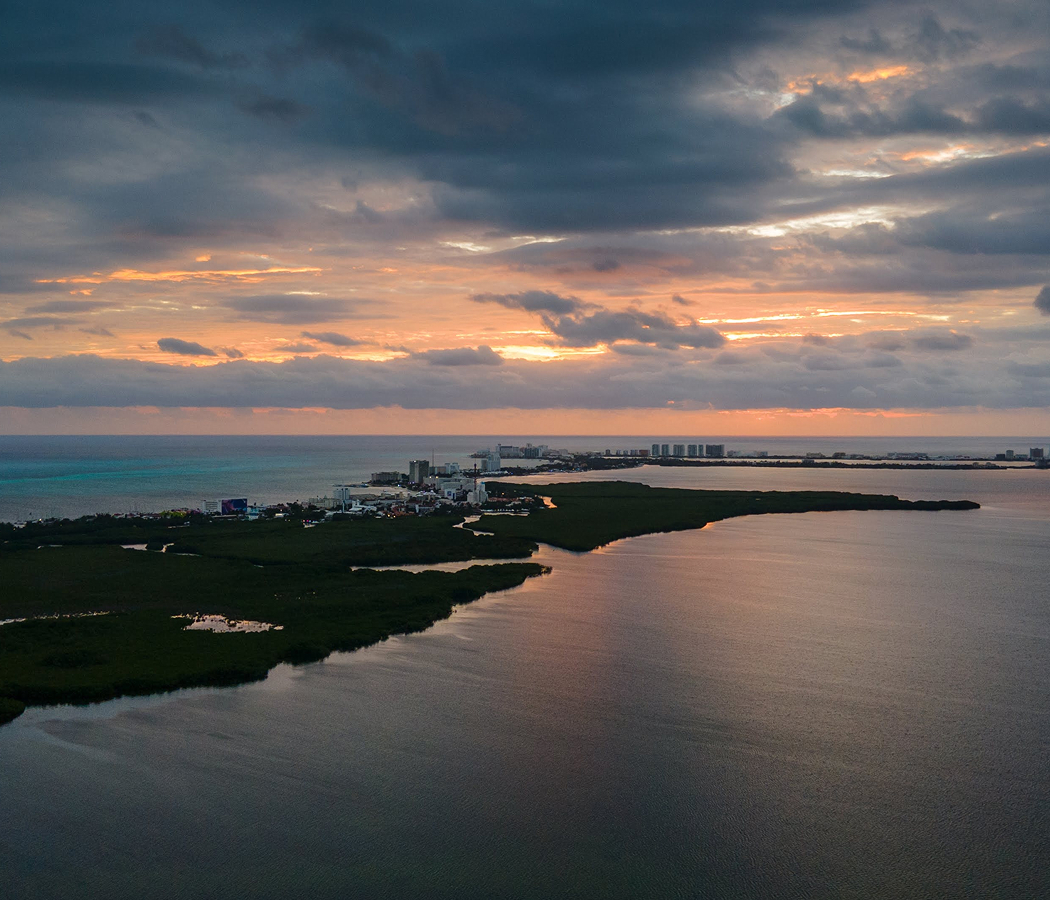
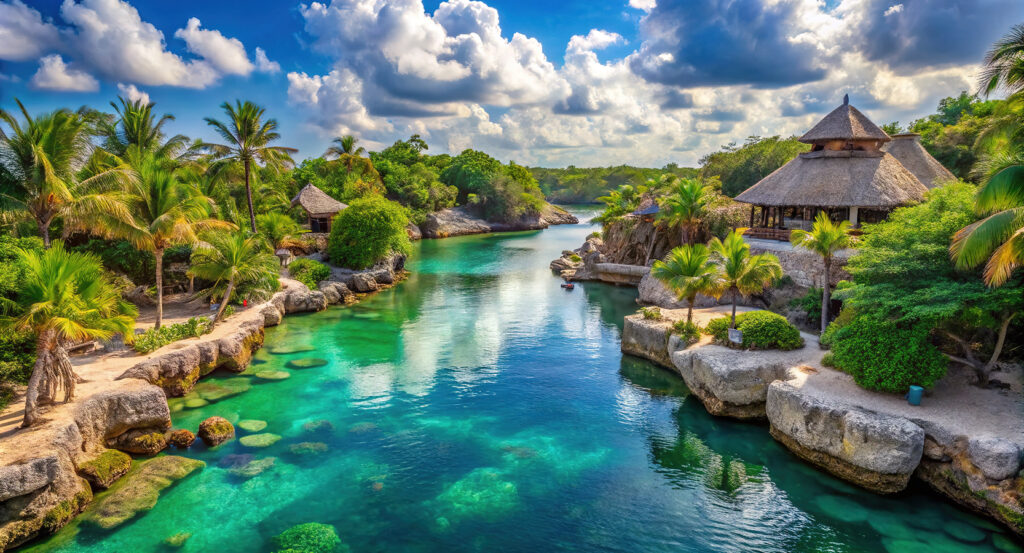
The Xel-Há Lagoon is a natural masterpiece, a vast, sunlit estuary where freshwater cenotes and the Caribbean Sea merge into a mosaic of turquoise, jade, and sapphire hues.
Unlike the crowded beach scenes farther down the coast, this lagoon feels untouched, a living ecosystem where mangroves, coral, and tropical fish coexist in crystalline harmony. The moment you slip into the water, you feel the shift: salt gives way to cool freshwater currents, and the silence of the lagoon replaces the hum of the outside world. You drift through schools of angelfish and parrotfish, the light flickering through the surface above like a kaleidoscope. Every turn reveals something different, underwater caverns, limestone outcroppings, coral gardens teeming with life. On land, the jungle hums with cicadas and the scent of salt and earth blends together, reminding you that this is a sanctuary first and a playground second.
What you didn't know about the Xel-Há Lagoon.
Long before Xel-Há became a protected aquatic park, the lagoon was revered by the Maya as the “place where water is born.”
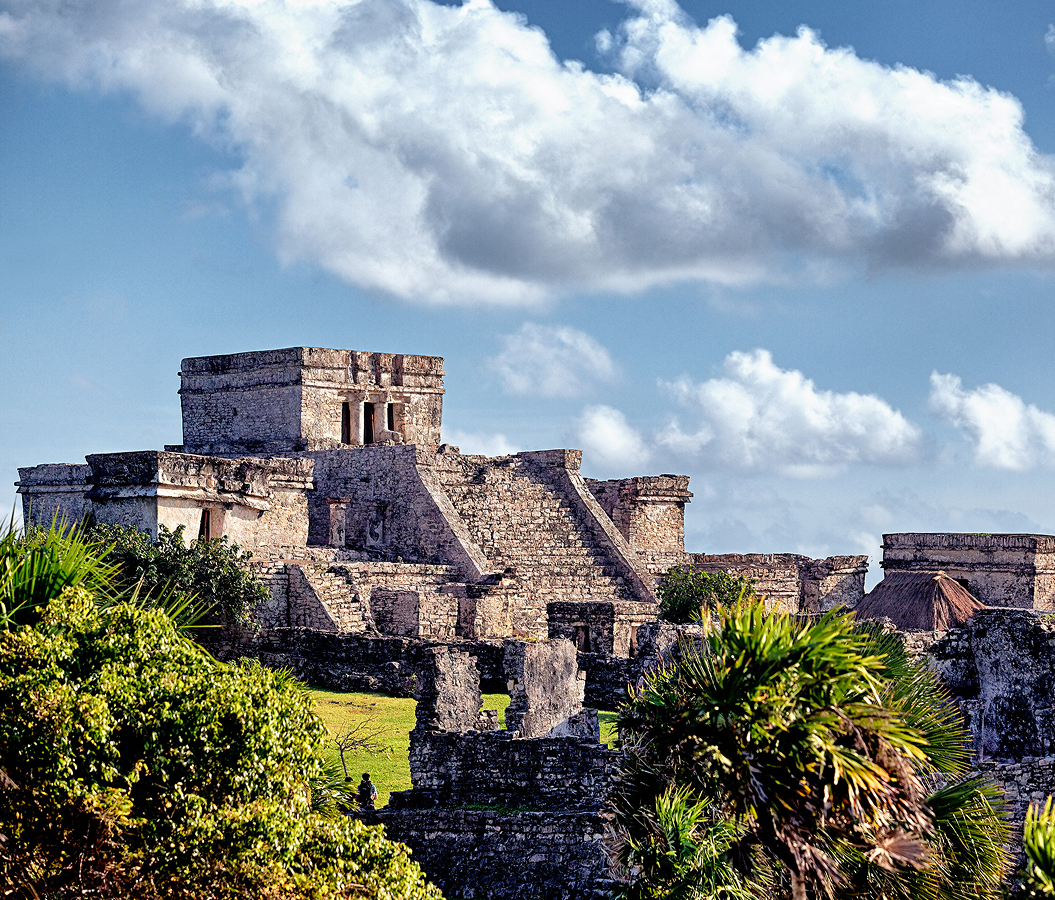
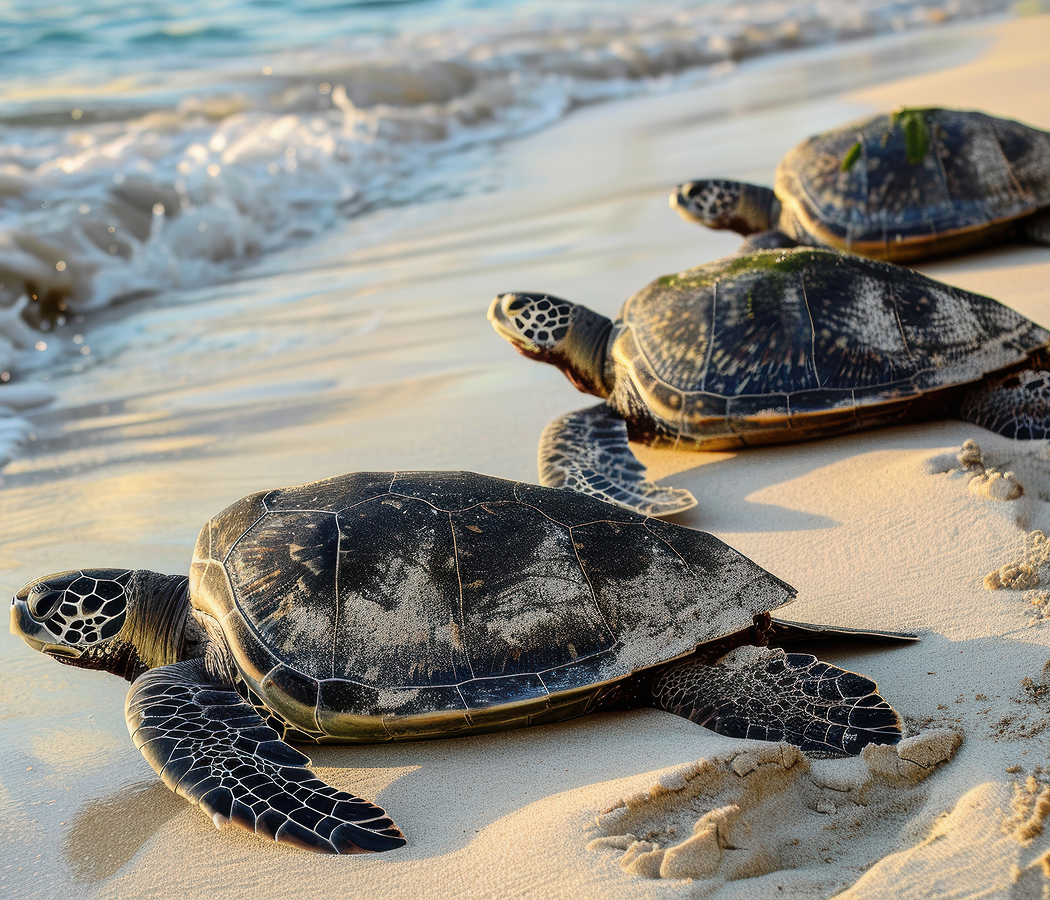
It served as both a sacred harbor and a hub for maritime trade, where canoes once set sail toward Cozumel and Belize carrying jade, obsidian, and cacao. The word “Xel-Há” itself translates roughly to “mixing of waters”, a name that perfectly captures its unique ecosystem. Beneath the surface, underground rivers from nearby cenotes flow directly into the lagoon, creating thermoclines where warm and cold layers of water dance together. This blend attracts hundreds of marine species, from colorful reef fish to gentle rays and occasional manatees. Archaeological findings around the area have revealed ancient altars and offerings, suggesting that rituals once took place here to honor Chaac, the Maya rain god. What makes Xel-Há even more extraordinary is how seamlessly it blends nature and sustainability: coral regeneration programs, mangrove restoration efforts, and low-impact tourism all coexist within this delicate ecosystem. It's a rare example of an ancient site thriving under modern stewardship, a place where reverence still outweighs recreation.
How to fold the Xel-Há Lagoon into your trip.
A visit to the Xel-Há Lagoon is best experienced as a full-day escape, a slow immersion.
Arrive early to catch the morning light spilling over the mangroves, when the water is clearest and the wildlife most active. Bring a snorkel and drift lazily along the main channel, where freshwater meets the sea; it's here that visibility is most magical, the sun casting ribbons of light across coral formations below. After swimming, explore the jungle trails that encircle the lagoon, some lead to cenotes hidden beneath dense foliage, others to high observation towers with sweeping views of the Yucatán coast. For thrill-seekers, cliff jumps and zipline landings into the lagoon add bursts of adrenaline between moments of calm. Lunch on local seafood and fresh fruit at one of the eco-restaurants, then return to the water for one last swim as the afternoon glow deepens. Stay until the day begins to cool, when the wind slows, the lagoon mirrors the sky, and it feels as though the world has fallen perfectly still. Experiencing the Xel-Há Lagoon near Tulum isn't just about swimming in a beautiful place, it's about feeling, for a few precious hours, what balance between humanity and nature truly looks like.
Where your story begins.
Start your planning journey with Foresyte Travel.
Experience immersive stories crafted for luxury travelers.