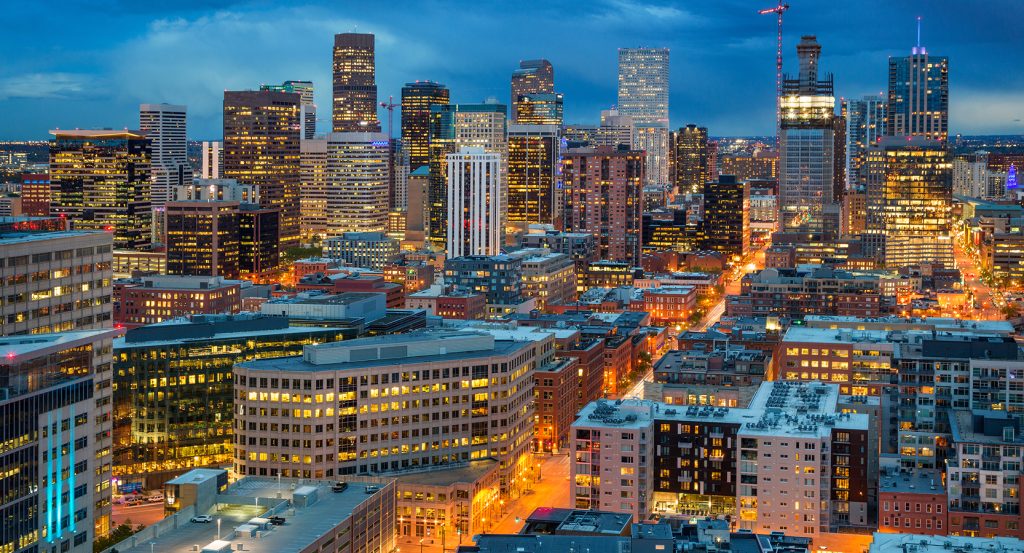
Why 17th Street matters.
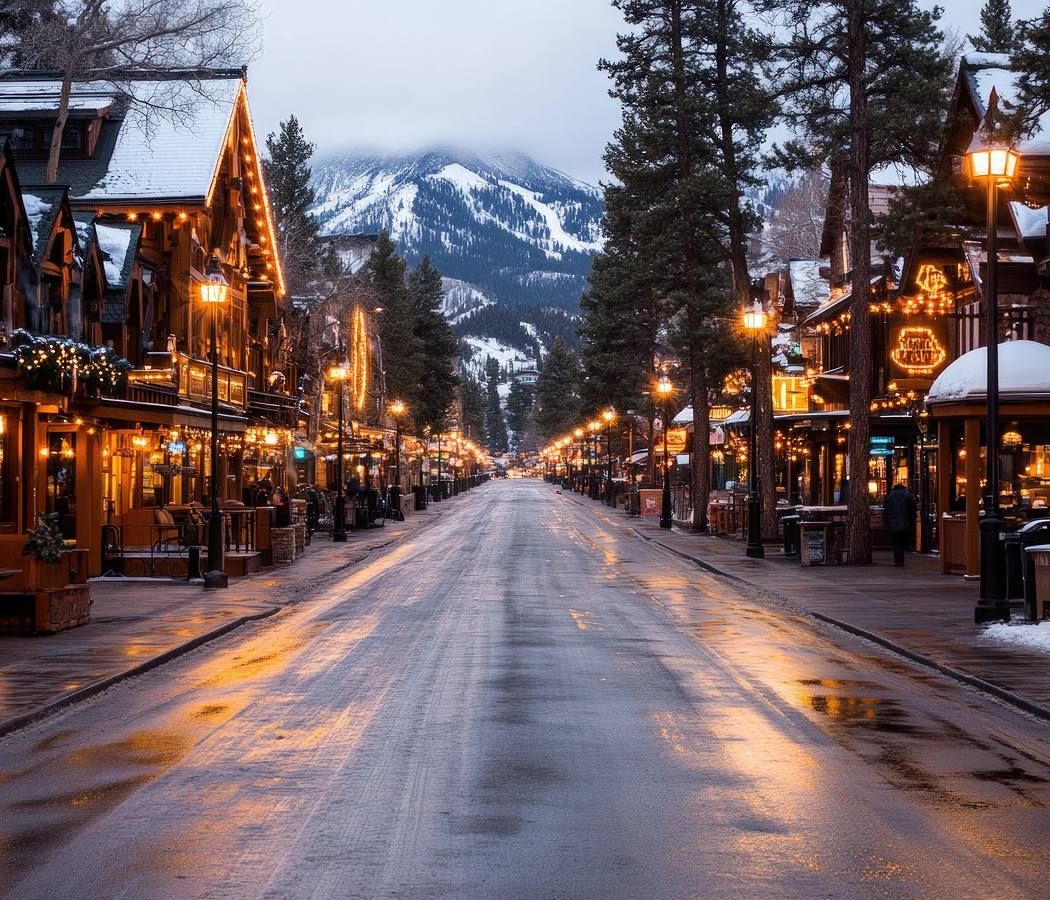
17th Street is an energetic corridor where Downtown's financial prominence, architectural ambition, commercial innovation, and civic character converge along one of the city's defining thoroughfares.
Running through Downtown between LoDo and Uptown, the corridor developed from a nineteenth-century commercial street into the city's principal business address as banks, office towers, and corporate headquarters steadily reshaped its skyline. Historic masonry buildings, polished granite towers, landscaped plazas, and striking public architecture reveal more than a century of continuous commercial evolution. The corridor ultimately expresses Denver's emergence as the economic center of the Rocky Mountain region. The result is an experience defined by enterprise, architectural distinction, and enduring metropolitan character.
What you should know 17th Street.
17th Street is best known for evolving into Denver's principal financial corridor during the early twentieth century as regional banks, insurance companies, mining corporations, and investment firms concentrated their headquarters along the avenue. Construction accelerated following completion of the Moffat Tunnel in 1928, which strengthened Denver's commercial importance by improving rail access between Colorado's Front Range and the Western Slope while reinforcing the city's role as a regional business center. Successive building campaigns introduced notable office towers including the Equitable Building (1892), Midland Savings Building (1917), and First National Bank Building (1957), documenting changing architectural approaches from masonry construction to steel-frame high-rises. Denver business directories and historic preservation surveys collectively record a continuous succession of financial institutions, petroleum companies, legal practices, engineering firms, and mining enterprises that established the corridor as Colorado's foremost corporate address.
Commercial architecture continued advancing as curtain-wall construction, structural steel framing, high-speed elevator systems, centralized air conditioning, and deep caisson foundations enabled progressively taller office buildings throughout the mid-twentieth century. Corporate occupancy shifted across successive decades as energy companies, telecommunications firms, international law offices, consulting organizations, and financial services providers adapted existing towers while commissioning new commercial buildings that reflected changing economic priorities. Historic preservation documentation also identifies surviving early commercial façades, decorative terra-cotta ornamentation, polished granite entrances, ornamental metalwork, and original banking halls that preserve tangible evidence of Downtown's commercial evolution beneath its modern skyline. Together, corporate investment, documented engineering advances, architectural innovation, business succession, and preserved commercial craftsmanship establish 17th Street as Denver's defining financial corridor.
How 17th Street fits.
17th Street works as an exploration of Downtown's civic heritage, architectural ambition, and cultural identity.
Begin at Union Station, where the city's historic transportation gateway establishes the broader story of Denver's commercial growth and provides valuable context before exploring the surrounding downtown streets and business district. Continue to the Denver Performing Arts Complex, whose nationally recognized theaters expand the experience from commerce into culture while demonstrating how civic investment broadened downtown's character beyond business alone. Conclude at the Colorado State Capitol, where commanding architecture, public history, and sweeping views provide the historical payoff by illustrating how government, commerce, and civic ambition collectively shaped modern Denver. The sequence moves from transportation to cultural life before culminating in the institution that most completely synthesizes the city's historical development.
Where your story begins.
Foresyte Travel reveals places that feel extraordinary long before you arrive.
Enjoy editorial crafted for luxury travelers.
Foresyte may earn a commission when you book.