Why you should experience 4th Avenue in Denver, Colorado.
4th Avenue is an intimate corridor where Cherry Creek's residential heritage, neighborhood refinement, architectural continuity, and enduring urban character shape one of Central Denver's most inviting east-west streets.
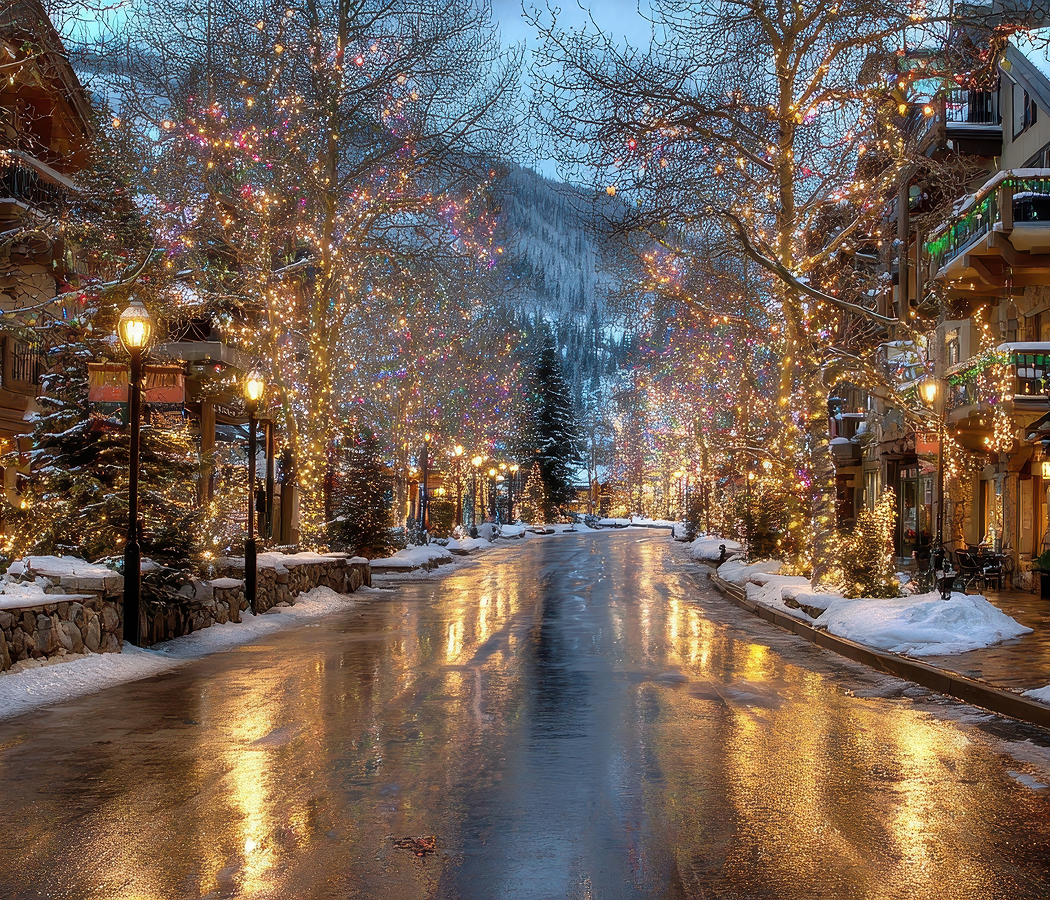
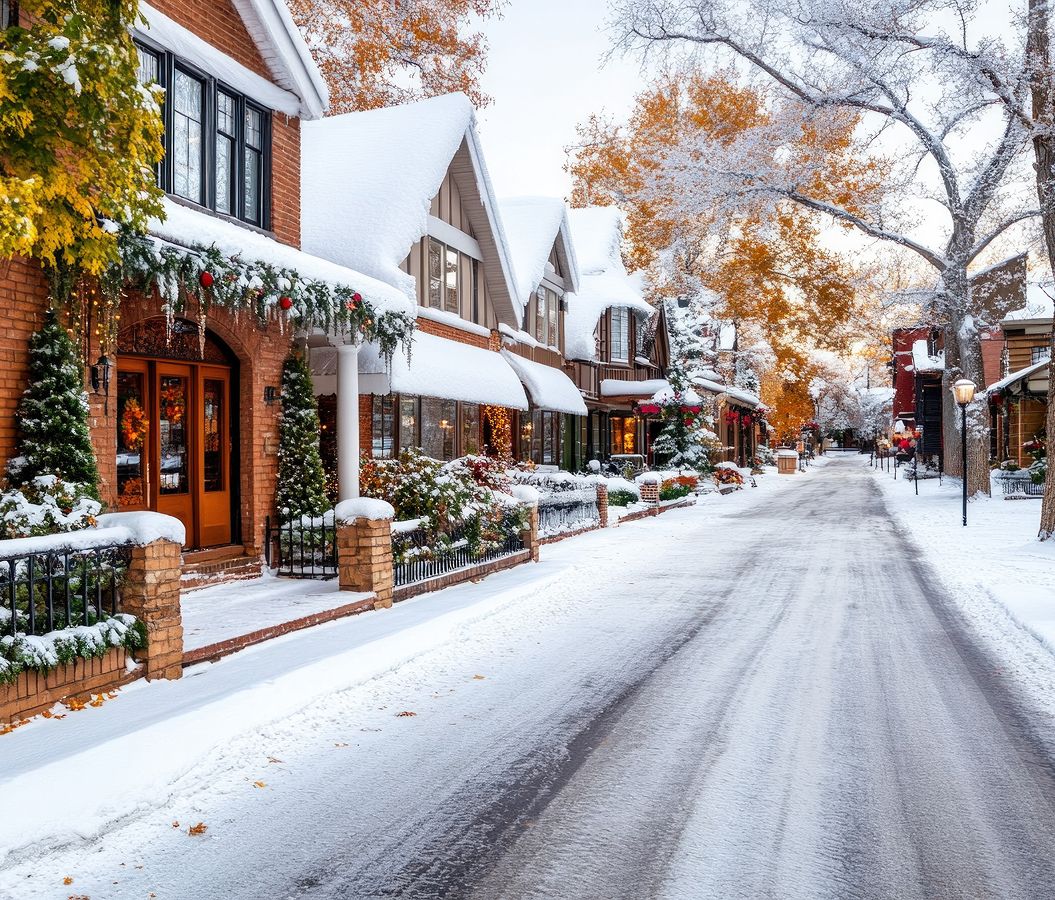
Running through Cherry Creek between Country Club and Hilltop, 4th Avenue connects established residential blocks, neighborhood parks, boutique commercial districts, and tree-lined streets that collectively reflect more than a century of Denver's carefully planned eastward growth. Historic brick residences, mature American elms, landscaped sidewalks, elegant setbacks, and sensitively integrated contemporary architecture establish a streetscape where preservation and thoughtful reinvestment remain closely intertwined. The corridor reaches its defining character where architectural craftsmanship, neighborhood stewardship, and enduring residential continuity reinforce one another across successive generations. The result is an experience defined by quiet sophistication, timeless appeal, and Cherry Creek's lasting place among Denver's most admired neighborhoods.
What you should know about 4th Avenue.
4th Avenue is best known for developing as Cherry Creek emerged during the early twentieth century, when expansion of the Denver Tramway streetcar network encouraged residential growth beyond Denver's nineteenth-century urban core and established the neighborhood as one of the city's premier suburban districts. Construction between the 1910s and 1940s introduced distinguished collections of Colonial Revival, Tudor Revival, Mediterranean Revival, and Denver Square residences characterized by hand-laid brick masonry, limestone trim, decorative chimneys, leaded-glass windows, and generous landscaped setbacks that continue defining the corridor's architectural identity. Planning influenced by the City Beautiful movement emphasized broad residential streets, coordinated tree planting, generous open space, and cohesive neighborhood composition rather than intensive commercial expansion, establishing an enduring physical structure that remains readily apparent along 4th Avenue today. Original streetscapes, preserved architectural fabric, and sustained neighborhood investment continue making the corridor one of Cherry Creek's most representative historic residential avenues.
Opening of the Cherry Creek Shopping Center in 1953 accelerated investment throughout the surrounding district while allowing adjacent residential streets to retain their established scale through careful zoning, preservation, and neighborhood stewardship. Documentation prepared by History Colorado, Historic Denver, and the Denver Public Library has recorded Cherry Creek's architectural evolution through neighborhood surveys, preservation studies, and archival collections that continue guiding long-term conservation efforts. Original slate roofing, carved stone entrances, ornamental wrought iron, decorative brick corbelling, and mature elm canopies remain prominent features that demonstrate the exceptional craftsmanship associated with Cherry Creek's early residential development. Together, careful planning, preservation leadership, enduring architectural craftsmanship, and thoughtful neighborhood investment explain why 4th Avenue remains one of Central Denver's defining historic residential corridors.
How to fold 4th Avenue into your trip.
4th Avenue works as an exploration of Denver's neighborhood culture, public landscapes, and artistic heritage.
Begin at Cherry Creek North, where independent galleries, public art installations, locally owned boutiques, and walkable streets establish the district's creative character before naturally leading into the surrounding residential neighborhoods. Continue to Denver Botanic Gardens, whose internationally acclaimed collections, seasonal displays, and beautifully composed landscapes deepen the experience while celebrating the horticultural traditions that complement Cherry Creek's residential character. Conclude at the Cherry Creek Trail, where creekside pathways, bridges, and expansive greenway connections provide a fitting finale celebrating the natural landscape that gave the neighborhood its enduring identity. The progression moves naturally from neighborhood culture through botanical excellence before concluding beside the waterway that continues shaping Cherry Creek's sense of place.
Where your story begins.
Foresyte Travel reveals places that feel extraordinary long before you arrive.
Experience premium editorial crafted for luxury travelers.