Why 6th Street matters.
6th Street is a storied corridor where Little Havana's Cuban heritage, neighborhood traditions, artistic expression, and tropical streetscape create one of Miami's most culturally resonant community corridors.
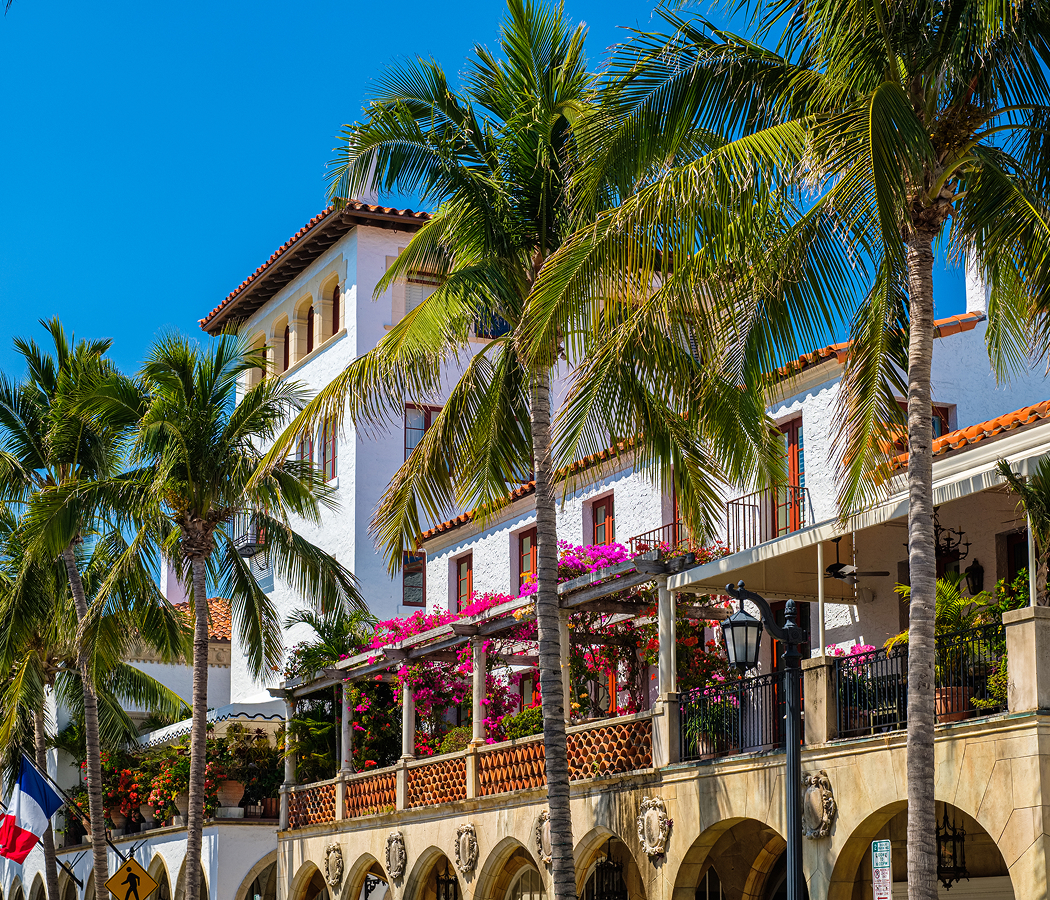
Running through Little Havana between the Miami River and Shenandoah, the corridor connects established residential blocks, neighborhood businesses, parks, schools, and cultural institutions that collectively reflect the neighborhood's emergence as the historic center of Cuban life in South Florida. Mature royal palms, colorful murals, independently owned storefronts, and shaded sidewalks create a streetscape where generations of immigrant entrepreneurship and community character remain closely intertwined. Throughout the corridor, family-operated cafés, neighborhood gathering places, cultural organizations, and flourishing subtropical vegetation reinforce an environment shaped by migration, artistic expression, and decades of civic investment. The result is an experience defined by cultural continuity, neighborhood vitality, and one of Miami's most enduring urban corridors.
What you should know 6th Street.
6th Street is best known for traversing Little Havana, a neighborhood transformed by successive waves of Cuban immigration following the Cuban Revolution of 1959, establishing Miami as the principal center of Cuban-American culture in the United States. The corridor occupies land originally developed during Miami's early twentieth-century suburban expansion, when modest residential subdivisions, masonry commercial buildings, schools, churches, and neighborhood institutions gradually replaced former agricultural tracts bordering the Miami River. Mediterranean Revival houses, reinforced concrete apartment buildings, terrazzo entrances, stucco façades, clay barrel roof tiles, decorative wrought iron, and climate-responsive arcades demonstrate the architectural evolution that accompanied sustained residential and commercial growth throughout the twentieth century. Improvements to Southwest 8th Street, the Tamiami Trail, the Miami River crossings, municipal drainage canals, and surrounding arterial streets strengthened regional accessibility while supporting continued neighborhood investment and commercial activity. Royal palms, live oaks, gumbo limbo, sabal palms, mahogany, white ibis, zebra longwing butterflies, monk parakeets, and native pollinator species remain integral to neighborhood streetscapes, preserving South Florida's subtropical ecological character within an intensely urban environment.
Domino Park became an internationally recognized gathering place where traditional games, public conversation, and community interaction continue reinforcing Little Havana's enduring social traditions. Calle Ocho Festival evolved into one of the world's largest celebrations of Latin culture, attracting performers, artists, and visitors while strengthening the neighborhood's international cultural prominence. Family-owned cigar shops, Cuban bakeries, art galleries, music venues, and specialty markets continue sustaining commercial traditions established by earlier generations of immigrants, preserving an entrepreneurial character that remains central to the surrounding community. Together, these civic traditions, cultural celebrations, and longstanding neighborhood businesses demonstrate how 6th Street continues reflecting the historical evolution and living heritage of Little Havana.
How 6th Street fits.
6th Street works as an exploration of Little Havana's artistic traditions, neighborhood culture, and Cuban-American heritage.
Begin at Tower Theater, where one of Miami's oldest cultural venues introduces the neighborhood's longstanding relationship with film, language, and Cuban-American history before following 6th Street through Little Havana. Continue to Cubaocho Museum & Performing Arts Center, whose art collections, live music, and cultural programming broaden the appreciation for Cuban artistic traditions. Conclude at Bay of Pigs Museum & Library, where archival collections and historical exhibits provide the historical payoff by documenting the political events and migration that profoundly shaped modern Little Havana. The progression moves naturally from cultural expression through artistic preservation before concluding with historical interpretation, revealing how 6th Street connects creativity, community identity, and the Cuban-American experience.
Where your story begins.
Foresyte Travel reveals places that feel extraordinary long before you arrive.
Enjoy editorial crafted for luxury travelers.
Foresyte may earn a commission when you book.