Why you should experience 34th Street in Denver, Colorado.
34th Street is a resilient corridor where Cole's railroad heritage, neighborhood traditions, architectural continuity, and determined reinvestment define one of Northeast Denver's most enduring residential streets.
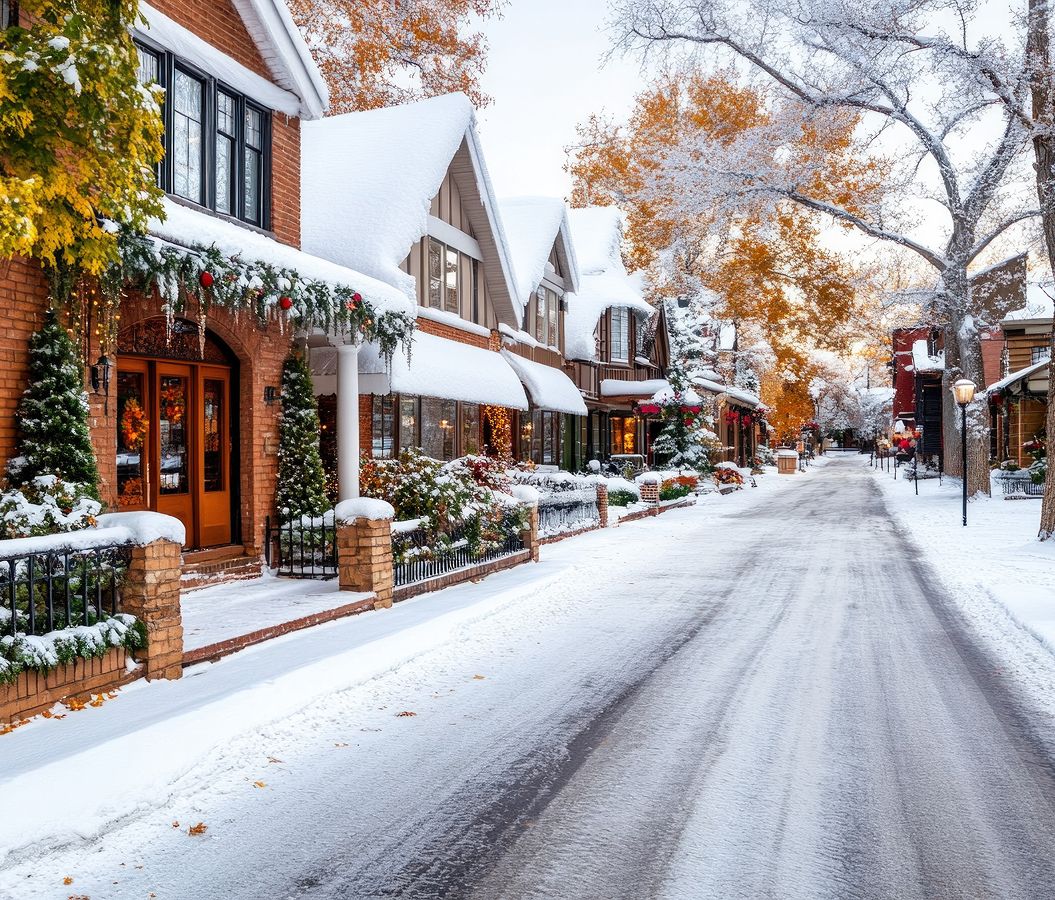
Running through Cole between Five Points and Clayton, 34th Street connects early residential blocks, neighborhood churches, community institutions, and historic streetscapes that collectively reflect more than a century of steady urban development. Brick workers' cottages, Craftsman homes, mature shade trees, broad sidewalks, and carefully preserved masonry buildings establish a streetscape where working-class heritage and neighborhood stewardship remain closely intertwined. The corridor reaches its defining character where residential craftsmanship, civic investment, and community resilience continue reinforcing one another across successive generations. The result is an experience defined by authenticity, architectural continuity, and Cole's enduring neighborhood character.
What you should know about 34th Street.
34th Street is best known for developing as Cole expanded during the late nineteenth and early twentieth centuries, when nearby Union Pacific Railroad and Denver Pacific Railway freight corridors attracted railroad employees, warehouse workers, and industrial laborers seeking housing within easy reach of Denver's manufacturing districts. Residential construction between the 1890s and 1930s established substantial collections of Workers' Cottages, Craftsman bungalows, Denver Squares, and Queen Anne residences distinguished by brick masonry, sandstone foundations, ornamental woodwork, and compact urban lots that continue defining the corridor's architectural identity. Expansion of the Denver Tramway Company electric streetcar network strengthened connections between Cole, Downtown, and adjoining neighborhoods, reinforcing 34th Street's role within the area's residential street grid. Original alley networks, neighborhood churches, and consistent block patterns continue illustrating the avenue's evolution during Denver's principal era of streetcar-oriented growth.
Preservation of 34th Street's historic fabric has been strengthened through documentation prepared by the Cole Neighborhood Plan, which identifies the corridor's traditional block structure, residential scale, and historic housing stock as defining characteristics worthy of continued protection. Building upon that structure, surveys conducted by Historic Denver and the Denver Public Library have recorded surviving examples of early-twentieth-century masonry construction, original porch detailing, and neighborhood development patterns that remain visible along the corridor today. Construction details including corbeled brick cornices, rusticated sandstone lintels, clinker-brick retaining walls, and original concrete sidewalks collectively demonstrate the craftsmanship that accompanied Cole's most active period of residential expansion. Together, planning guidance, preservation research, surviving architectural materials, and sustained neighborhood stewardship demonstrate how 34th Street continues expressing the physical character established during Cole's formative decades.
How to fold 34th Street into your trip.
34th Street works as an exploration of Cole's neighborhood heritage, community spaces, and cultural legacy.
Begin at Russell Square Park, where mature shade trees, neighborhood gathering spaces, and open lawns introduce the residential character that has anchored Cole for generations before naturally leading toward 34th Street. Continue to George Morrison Sr. Park, whose recreation facilities and community-centered design deepen the experience while reflecting the neighborhood's longstanding investment in shared public spaces. Conclude at Blair-Caldwell African American Research Library, where archival collections, permanent exhibitions, and historical interpretation provide the historical payoff by connecting Cole's neighborhood story to the broader legacy of Denver's African American community. The progression moves naturally from neighborhood green space through everyday civic life before concluding with an institution that preserves one of the city's richest historical narratives.
Where your story begins.
Foresyte Travel reveals places that feel extraordinary long before you arrive.
Experience premium editorial crafted for luxury travelers.