Why you should experience Dexter Street in Denver, Colorado.
Dexter Street is a refined corridor where Hilltop's residential elegance, mid-century legacy, mature landscapes, and enduring neighborhood character create one of East Denver's most graceful urban streets.
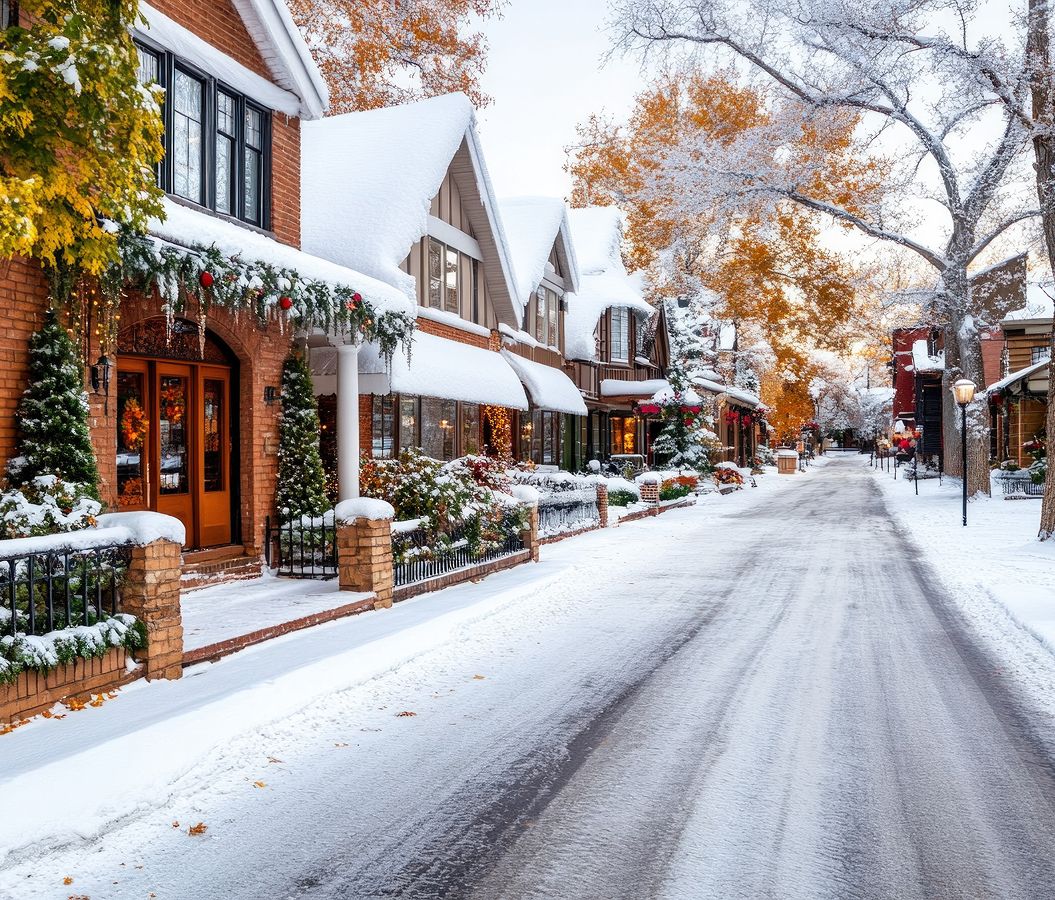
Running through Hilltop between Hale and Crestmoor, Dexter Street connects established residential enclaves, neighborhood parks, institutional campuses, and tree-lined blocks that collectively reflect more than a century of thoughtful neighborhood evolution across Denver's eastern districts. Broad setbacks, mature American elms, distinguished brick residences, landscaped medians, and carefully maintained sidewalks establish a streetscape where architectural continuity and generous open space remain inseparable from everyday life. The corridor reaches its defining character where enduring craftsmanship, landscape design, and neighborhood stewardship reinforce one another across successive generations. The result is an experience defined by quiet sophistication, lasting architectural integrity, and Hilltop's enduring place among Denver's most distinguished neighborhoods.
What you should know about Dexter Street.
Dexter Street is best known for developing during Denver's eastward expansion between the 1920s and 1950s, when Hilltop emerged atop one of the city's highest natural elevations following the subdivision of former agricultural land into carefully planned residential blocks. Construction introduced an enduring collection of Tudor Revival, Colonial Revival, International Style, and Mid-Century Modern residences designed by prominent Colorado architects including Burnham Hoyt, whose work helped shape the architectural character of Denver's eastern neighborhoods. Postwar residential growth expanded the corridor with substantial brick homes, landscaped parkways, and generous lot dimensions that distinguished Hilltop from many earlier Denver neighborhoods while preserving a cohesive residential character. Continued preservation and sensitive reinvestment have maintained Dexter Street as an exceptionally intact example of Denver's twentieth-century residential architecture and landscape design.
Preservation initiatives led by Historic Denver and documentation maintained by History Colorado have highlighted Hilltop's concentration of architect-designed residences and its importance within Denver's evolving architectural history. Building materials including hand-laid brick, limestone trim, decorative wrought iron, and original hardwood millwork continue defining many properties along Dexter Street, illustrating the craftsmanship associated with Denver's interwar and postwar residential construction. Mature American elms, Kentucky coffeetrees, and other established urban canopy species contribute substantially to the corridor's historic landscape while reinforcing the spacious neighborhood plan established during Hilltop's principal period of development. Together, architectural distinction, exceptional craftsmanship, preservation leadership, and enduring landscape character explain why Dexter Street remains one of East Denver's most recognizable residential corridors.
How to fold Dexter Street into your trip.
Dexter Street works as an exploration of East Denver's architectural heritage, cultural institutions, and public landscapes.
Begin at Denver Botanic Gardens, where internationally recognized plant collections, conservatories, and thematic gardens establish an appreciation for the landscape traditions that shaped many of the surrounding neighborhoods before continuing eastward. Continue to Cranmer Park, whose elevated lawns, formal sundial plaza, and panoramic views of the Front Range deepen the experience through one of Denver's most celebrated neighborhood green spaces. Conclude at Wings Over the Rockies Air & Space Museum, where historic aircraft, aerospace innovation, and the preserved former Lowry Air Force Base hangar provide a fitting finale celebrating the engineering achievement and twentieth-century history that helped shape eastern Denver. The progression moves naturally from cultivated landscapes through neighborhood park design before culminating in one of Colorado's foremost aviation museums.
Where your story begins.
Foresyte Travel reveals places that feel extraordinary long before you arrive.
Experience premium editorial crafted for luxury travelers.