Why you should experience Collier Road in Atlanta, Georgia.
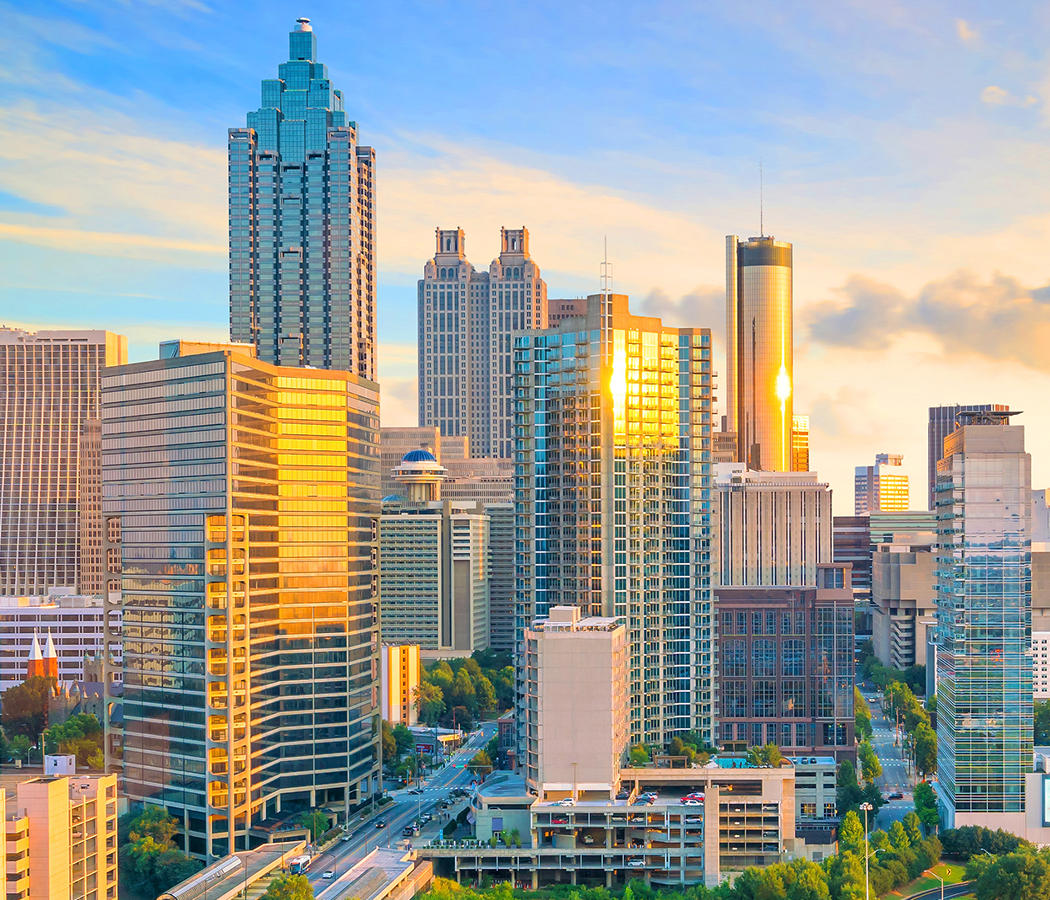
Collier Road is an elevated corridor where Collier Hills' residential heritage, landscape design, commercial evolution, and enduring neighborhood character define one of Atlanta's most recognizable westside thoroughfares.
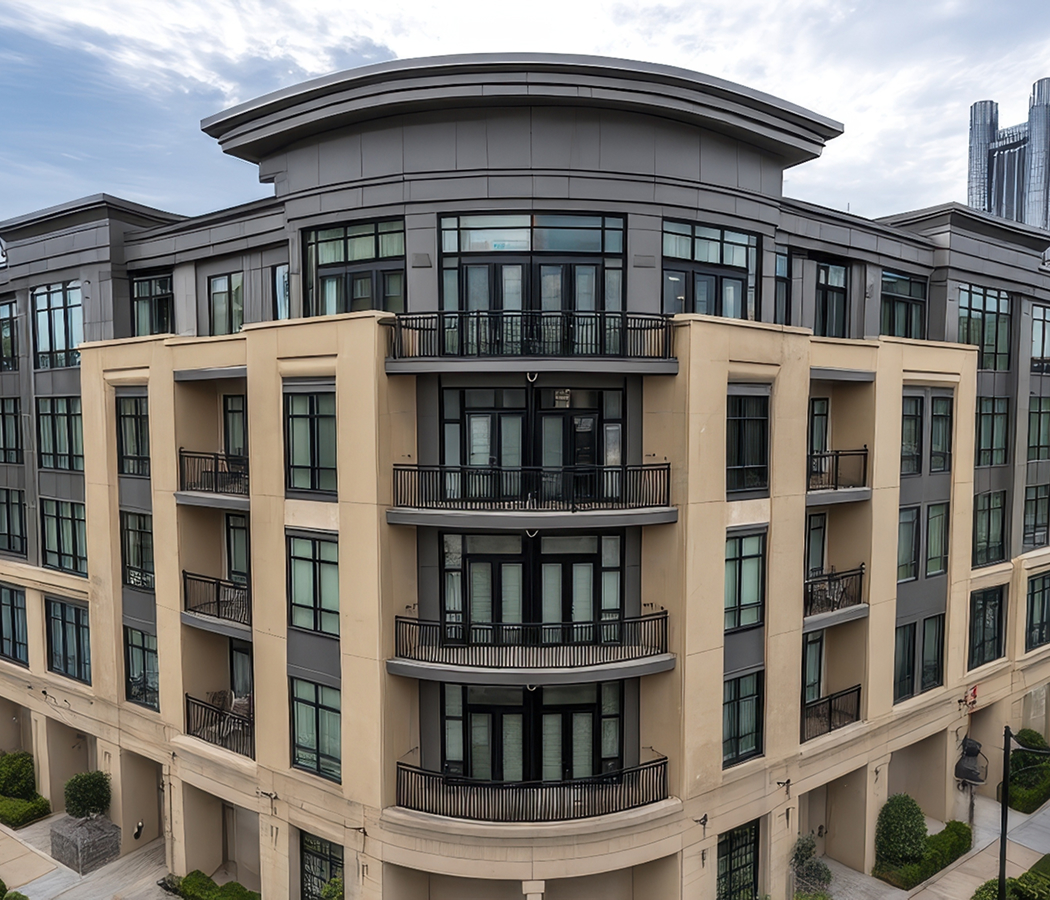
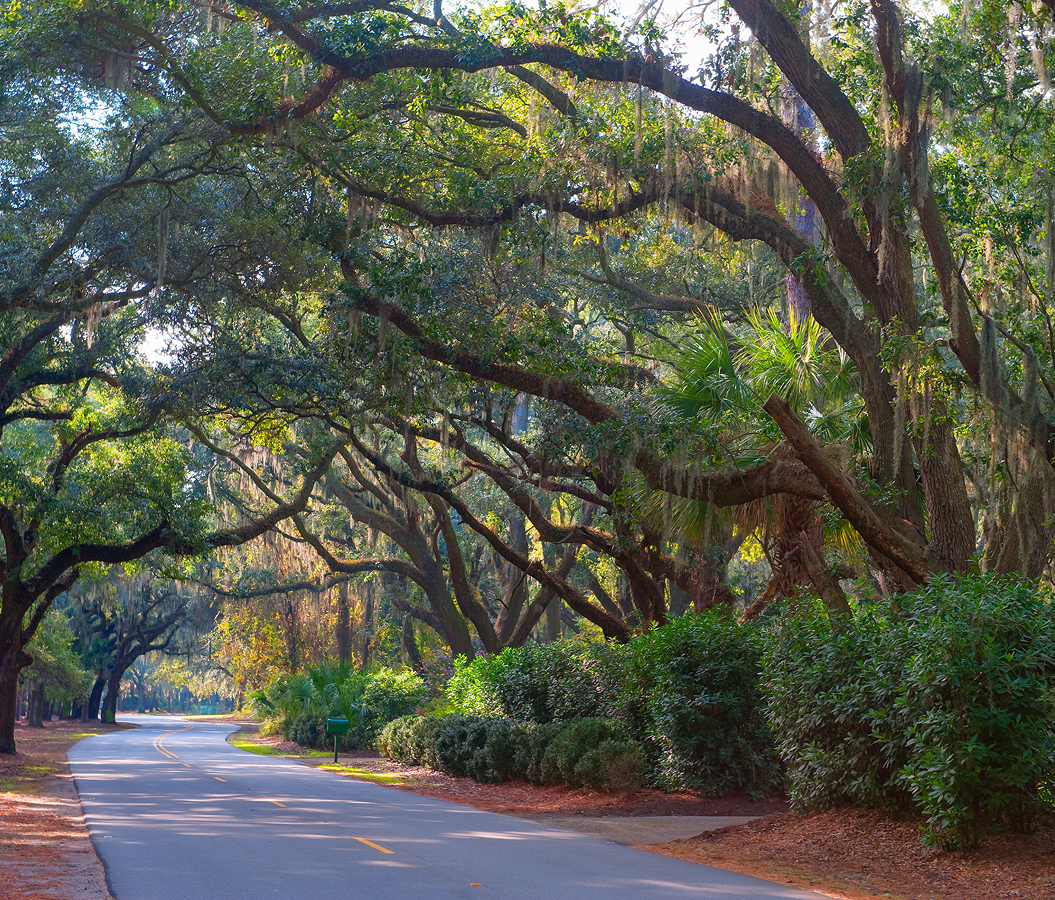
Running through Collier Hills between Underwood Hills and Brookwood Hills, the corridor connects early twentieth-century residential neighborhoods, neighborhood commercial centers, wooded hillsides, and institutional campuses that collectively reflect Atlanta's steady expansion beyond its historic urban core. Successive stretches reveal how streetcar-era suburban growth, automobile-oriented commerce, and thoughtful neighborhood stewardship established a streetscape that continues balancing historic character with contemporary city life. Stone retaining walls, mature hardwood canopies, brick commercial buildings, and winding topography preserve a corridor shaped by more than a century of carefully managed development. The result is an experience defined by continuity, refinement, and one of Atlanta's most enduring neighborhood corridors.
What you should know about Collier Road.
Collier Road is best known for evolving from a rural route serving nineteenth-century farms into a principal transportation corridor as Atlanta expanded northwest during the early twentieth century, with residential growth accelerating after the introduction of electric streetcar service to adjoining districts and the rapid development of Collier Hills during the 1920s and 1930s. Named for the influential Collier family, whose extensive landholdings shaped much of Northwest Atlanta's early development, the corridor became associated with one of the city's earliest automobile-era suburban neighborhoods distinguished by curvilinear streets responding to rolling terrain. Residential construction introduced Colonial Revival, Tudor Revival, Craftsman, and English Cottage architecture employing brick masonry, native stone foundations, slate roofing, decorative chimneys, and finely detailed wood craftsmanship that continue defining the surrounding streetscape. Mid-century commercial expansion introduced neighborhood shopping centers, professional offices, and service businesses that reinforced Collier Road's importance as a connector between Buckhead, Midtown, and Atlanta's growing western neighborhoods. Collectively, these transportation, historical, architectural, developmental, and commercial artifacts established Collier Road as one of Northwest Atlanta's defining historic corridors.
Rolling ridgelines overlooking tributaries of Peachtree Creek influenced roadway engineering, residential lot configuration, stormwater management, and landscape preservation, allowing mature hardwood forests to remain integral to the corridor's physical identity. Community preservation efforts have protected original stone retaining walls, historic sidewalks, landscaped setbacks, and architecturally cohesive residential blocks while accommodating carefully scaled reinvestment that respects the neighborhood's historic fabric. Independent businesses, medical offices, and neighborhood institutions continue occupying buildings that preserve traditional construction materials and human-scaled design, reinforcing the avenue's longstanding role as both a residential connector and commercial mainstay. Ultimately the combined influence of landscape-sensitive planning, architectural continuity, and sustained neighborhood stewardship demonstrates how Collier Road continues expressing the enduring evolution of Atlanta's westside communities.
How to fold Collier Road into your trip.
Collier Road works as an exploration of Atlanta's westside neighborhoods, landscape heritage, and architectural character.
Begin at Atlanta Memorial Park, where expansive woodland trails, restored creek corridors, and rolling terrain introduce the natural landscape that shaped surrounding neighborhood development before continuing along the corridor. Continue to Bobby Jones Golf Course, where the restored public course, innovative golf facilities, and surrounding green space deepen appreciation for Atlanta's longstanding commitment to preserving recreational landscapes within the urban fabric. Conclude at Bitsy Grant Tennis Center, where one of the city's most established tennis facilities provides a fitting finale celebrating the recreational traditions and community stewardship that continue defining this portion of Atlanta. The progression moves naturally from preserved natural landscapes to historic recreation before concluding with one of the city's enduring athletic institutions, revealing why Collier Road remains one of Northwest Atlanta's defining neighborhood corridors.
Where your story begins.
Foresyte Travel reveals places that feel extraordinary long before you arrive.
Experience premium editorial crafted for luxury travelers.