Why you should experience Cerdanya in Spain.
The Cerdanya Valley in the Pyrenees, Spain, is one of those rare alpine landscapes that doesn't just take your breath away, it gives you a new one.
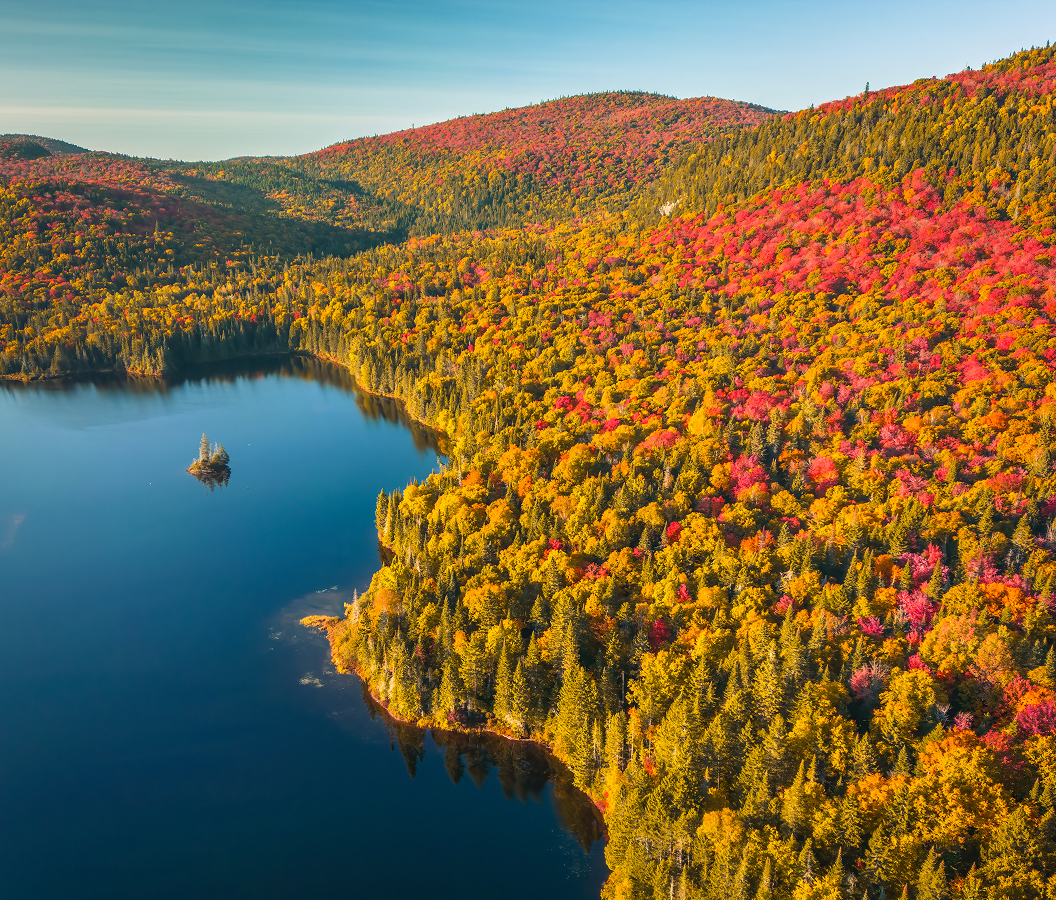
Cradled between jagged mountain spines that rise like a crown from the French border to Catalonia's high plains, Cerdanya feels less like a valley and more like a living, breathing world of its own. It stretches wide and sunlit, a geological marvel formed millions of years ago by ancient tectonic shifts that flattened a corridor through the Pyrenees, creating one of Europe's broadest high-mountain basins. Unlike the shadowed valleys typical of alpine regions, Cerdanya is drenched in light almost year-round, its wide floor sitting at 1,000 meters of elevation, its surrounding peaks soaring above 2,900. From Masella to Puigcerdà, from Bellver to Llívia, the valley's rhythm changes with altitude, yet everywhere there's the same sense of calm, of time moving slower, as if the mountains themselves were keeping watch. It's where skiers, cyclists, farmers, and dreamers coexist under skies that seem to stretch forever. The air here is thinner but softer, the sunlight sharper but somehow kinder. You don't just see Cerdanya; you feel it seep into you.
What you didn't know about Cerdanya.
Cerdanya is one of the most unique valleys in Europe, not just for its landscape, but for its cultural and historical identity.
It's split in two by an invisible border: the eastern half in France and the western half in Spain, divided since the Treaty of the Pyrenees in 1659. Yet despite this political line, the valley remains one continuous story, one that speaks Catalan on both sides and breathes the same alpine air. Its capital, Puigcerdà, is Spain's highest-altitude city, a lively hub of markets, cafés, and 19th-century villas that once drew Barcelona's elite in search of clean air. Across the border, the French side unfolds through towns like Bourg-Madame and Saillagouse, where the rhythm of life feels almost identical, proving how little frontiers matter in a landscape shaped by nature. The valley's rich soil and mild microclimate make it a breadbasket of the Pyrenees, a place where wildflowers bloom in July, and snow still lingers on the ridges in May. But beyond its beauty, Cerdanya holds deep historical roots: it was once a key route for medieval traders, Roman legions, and pilgrims walking the lesser-known highland branches of the Camino de Santiago. During the Spanish Civil War and World War II, its hidden passes became lifelines, first for refugees fleeing fascism, then for Allied pilots escaping Nazi-occupied France. Even today, remnants of that history remain: stone bunkers tucked among meadows, forgotten mule paths that still cross from one country to the other, and chapels perched like sentinels over the plain. Geographically, Cerdanya is equally remarkable, its low barometric pressure and open exposure create a rare combination of alpine air and Mediterranean clarity, making it one of Europe's healthiest microclimates. That's why so many athletes, from skiers to cyclists, train here year-round, and why locals claim you sleep deeper and dream better in Cerdanya than anywhere else.
How to fold Cerdanya into your trip.
The Cerdanya Valley isn't just a destination, it's the lens through which you understand the Pyrenees.
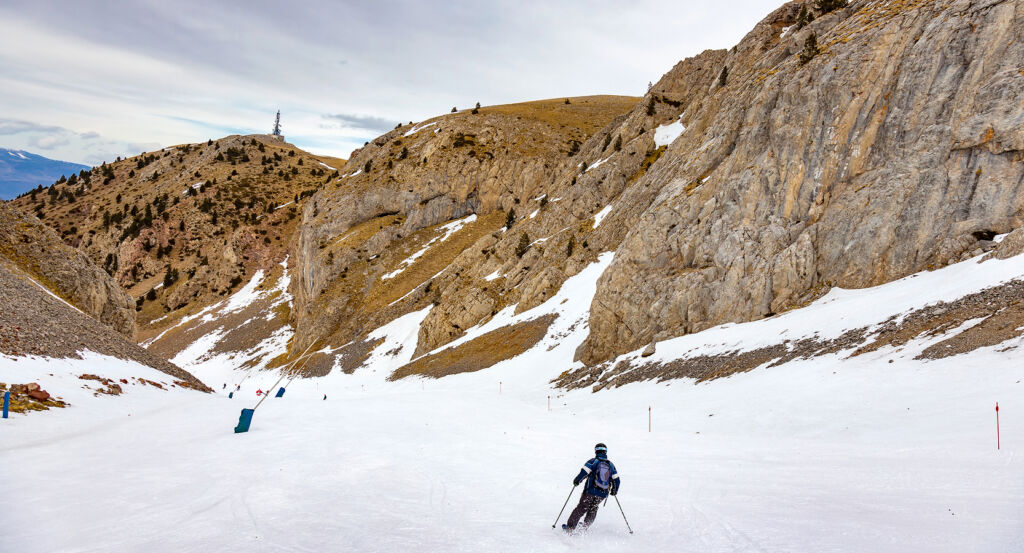
If you're coming for winter, base yourself in one of its ski resorts: Masella and La Molina for groomed slopes and easy lift access, or cross over to the French side for the charm of Font-Romeu and its Nordic trails. Drive the scenic C-162 road, which traces the valley floor from Alp to Llívia, and you'll pass through forests, open farmland, and villages where time seems to stand still. Stop in Alp for mountain fare, hearty trinxat (a potato and cabbage dish) and local cheeses that taste of the meadow. In summer, the valley blooms into a paradise for hikers and cyclists: the GR-11 trail cuts through its ridges, while the Cadí-Moixeró Natural Park offers trails that climb from pine forests to high limestone cliffs. For something more relaxed, stroll along the river Segre, which meanders through the valley like a silver thread, or visit the Llívia Pharmacy, Europe's oldest, dating back to 1415. At dusk, the light here turns golden in a way that photographers chase their whole lives; even a simple walk between hayfields can feel cinematic. If you have time, take the scenic train from Puigcerdà to Barcelona, one of the most beautiful railway journeys in Spain, descending from alpine serenity to Mediterranean bustle in just a few hours. Or better yet, stay longer. Rent a farmhouse in Prats or Urús, wake to the sound of cowbells, and step outside to see the morning fog lifting over the plains. Whether you come for sport, history, or stillness, Cerdanya gives back more than you expect, not just beauty, but balance. In a world that moves too fast, this valley teaches you the art of living in rhythm with the land, of breathing slower, watching deeper, and remembering that peace isn't something you find; it's something you return to.
Hear it from the Foresyte community.
Just enough life around you not to be overwhelming. Right pace.
Where your story begins.
Start your planning journey with Foresyte Travel.
Experience immersive stories crafted for luxury travelers.