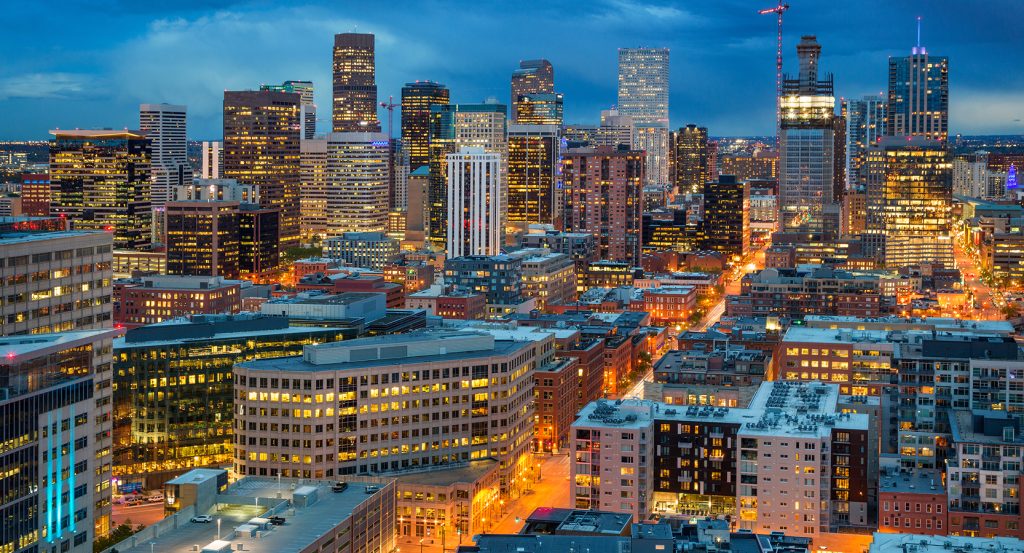
Why Alameda Avenue matters.
Alameda Avenue is a dynamic South Denver corridor where historic neighborhoods, cultural landmarks, and urban connectivity converge along one of the city's most important east west thoroughfares.
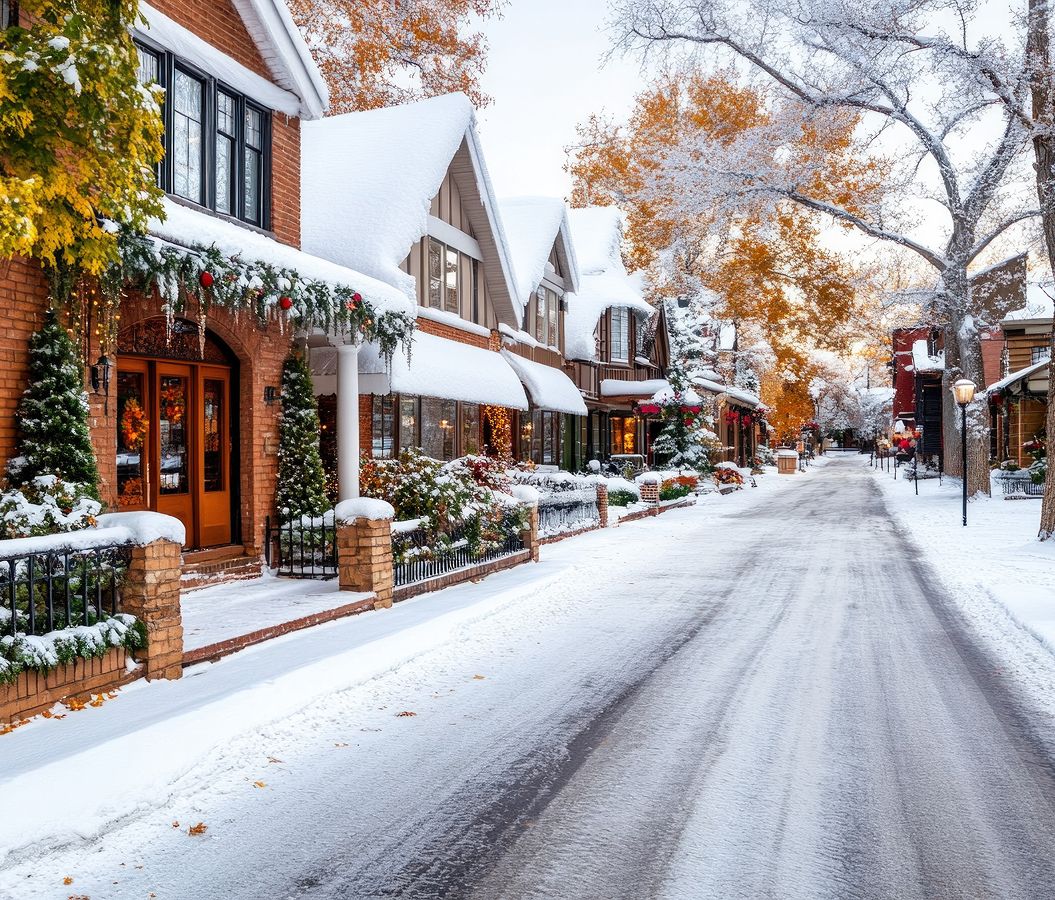
Running through Baker, Washington Park West, Belcaro, Cherry Creek, Virginia Village, and Washington Virginia Vale, this well traveled corridor connects beautifully preserved residential neighborhoods, neighborhood businesses, celebrated cultural institutions, community parks, locally owned restaurants, and thriving commercial districts that collectively showcase Denver's remarkable urban evolution. Historic brick storefronts, architecturally significant civic buildings, mature tree lined parkways, landscaped boulevards, inviting public spaces, and energetic gathering places create an urban landscape where generations of entrepreneurs, educators, artists, physicians, and families have shaped one of Denver's defining community corridors. Alameda Avenue evolved from an early regional roadway into a vital cross city connector while preserving its close relationship with many of Denver's most cherished neighborhoods and cultural destinations. The result is a corridor defined by accessibility, neighborhood vitality, and enduring civic significance.
What defines Alameda Avenue.
Alameda Avenue is best known for being home to the Burns Park sculpture “The Yearling,” a 1922 bronze work by renowned American sculptor Donald Hord that has become one of Denver's most enduring neighborhood public art landmarks.
Installed during the City's early twentieth century park expansion, the sculpture reflects Denver's longstanding commitment to integrating art into public spaces while celebrating the relationship between people, nature, and civic life. Over the decades, Burns Park has evolved into a welcoming neighborhood gathering place where mature trees, open lawns, and thoughtfully placed public art create a peaceful urban retreat amid surrounding residential streets. Today, the sculpture remains a beloved landmark that connects visitors to Denver's artistic heritage while reinforcing the neighborhood's tradition of preserving meaningful civic spaces. That lasting legacy has established Alameda Avenue as a corridor where public art, community identity, and neighborhood beauty continue to flourish together.
How Alameda Avenue fits.
Alameda Avenue works as an exploration of Denver's historic neighborhoods, scenic parks, and cultural attractions.
Begin at Burns Park, where mature landscaping and historic public art immediately establish the corridor's defining neighborhood character. Continue toward Washington Park, where scenic lakes, formal flower gardens, and miles of walking paths provide broader perspective on the outdoor lifestyle that has shaped South Denver for generations. From there, make your way to Cherry Creek North, where designer boutiques, independent galleries, acclaimed restaurants, and energetic public art provide a memorable conclusion while celebrating one of the Rocky Mountain region's premier shopping and dining districts. Along the route, you'll encounter architecturally significant historic homes, welcoming public spaces, thriving neighborhood cafés, beautifully landscaped parkways, energetic commercial districts, and lively community gathering places that reveal the corridor's exceptional depth. The progression moves naturally from a neighborhood park to Denver's signature urban landscape to one of the city's most celebrated mixed use districts, demonstrating how Alameda Avenue connects public art, community life, and urban exploration within the heart of South Denver.
Where your story begins.
Foresyte Travel reveals places that feel extraordinary long before you arrive.
Enjoy editorial crafted for luxury travelers.
Foresyte may earn a commission when you book.