Why you should experience Graphic Arts Collection at Albertina in Vienna, Austria.
The Graphic Arts Collection at the Albertina Museum is where the heartbeat of art reveals itself, intimate, unguarded, and alive on paper.
Long before color and canvas, there was line, the purest form of expression, and nowhere on Earth is that lineage better preserved than here. Housed within the marble halls of the Albertina, this collection is a journey through the minds of masters: Albrecht Dürer, Michelangelo, Leonardo da Vinci, Rembrandt, Rubens, Klimt, Schiele, Picasso, and Warhol. Each sheet of parchment or vellum tells its own story of genius taking shape, hesitant at first, then assured, until a flick of ink or graphite captures eternity in miniature. The experience is intimate, almost voyeuristic, as if you've stepped inside the workshop of history's greatest artists and caught them in the act of creation. Standing before Dürer's Young Hare, its fur rendered so delicately it seems to quiver, you feel the impossible truth of art: that a moment drawn five centuries ago can still feel warm to the touch.
What you should know about Graphic Arts Collection at Albertina.
The collection was born from devotion, not display.
In the late 18th century, Duke Albert of Saxe-Teschen began assembling the most comprehensive archive of drawings, watercolors, and prints ever attempted, not to flaunt wealth, but to study genius. His vision grew into an institution that now safeguards more than one million works on paper, spanning six centuries of human thought. These are not grand gallery paintings meant for applause, they are the private rehearsals of brilliance. Here, Michelangelo's muscular sketches strain toward the divine; Rembrandt's etchings glow with candlelight and solitude; Schiele's jagged figures tremble with raw self-awareness. The fragility of these works demands near-sacred care: light exposure is limited, humidity is monitored to the decimal, and exhibitions rotate to preserve the delicate fibers of history. Few visitors realize that much of what they see will vanish back into vaults for years, replaced by other treasures in an endless cycle of revelation and retreat. This rhythm, the appearing and disappearing of genius, gives the Albertina its pulse, a living archive.
How to fold Graphic Arts Collection at Albertina into your trip.
Experiencing the Graphic Arts Collection isn't about speed, it's about stillness.
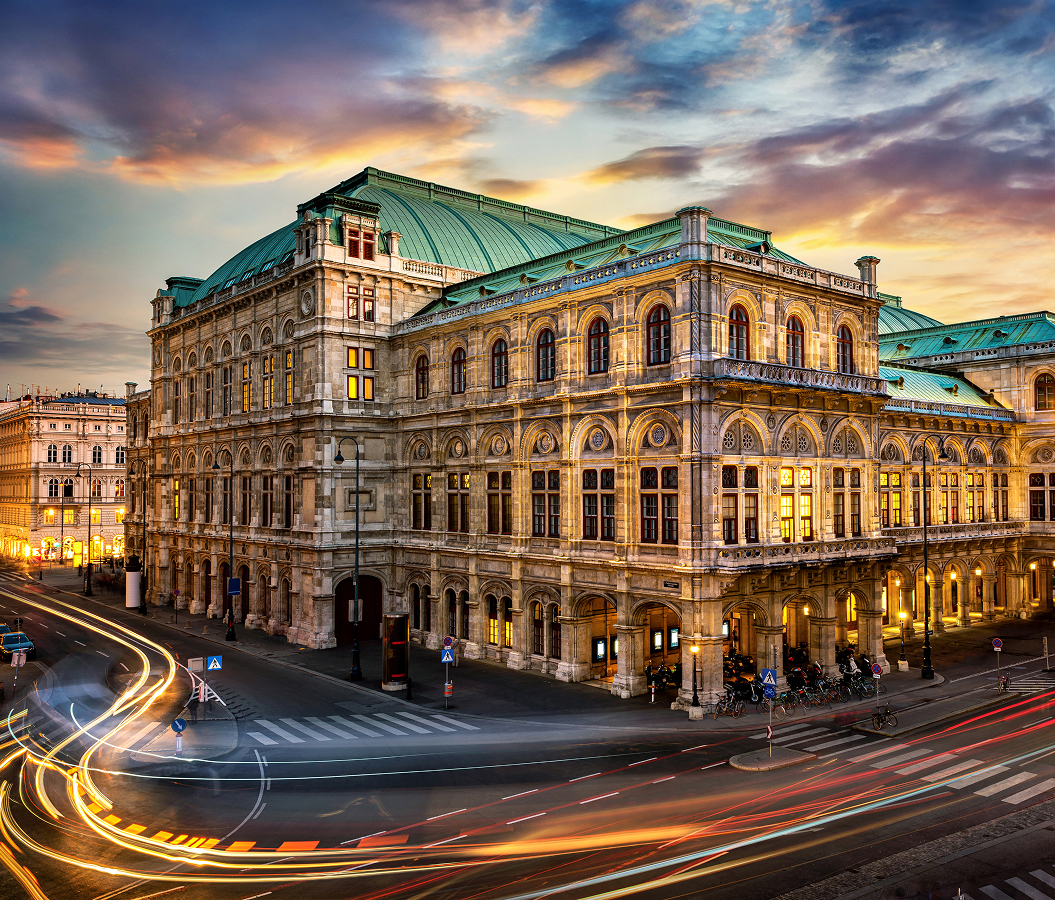
Visit mid-morning, when the rooms are quiet enough to hear the creak of the parquet beneath your steps. Move slowly from case to case, letting your eyes adjust to the subtle gradations of graphite, ink, and wash. Look for the fingerprints pressed into old paper, the faint grid lines beneath a master's composition, the evidence of a hand at work. Each drawing rewards patience; each etching deepens with attention. Temporary exhibitions often focus on a single theme, whether the resonant turbulence of Egon Schiele or the precision geometry of Dürer, so check what's on view before you go. Afterward, wander through the Albertina's State Rooms, where the 18th-century chandeliers and silk walls remind you that art was once a language of power. Step out onto the terrace overlooking the Burggarten and the Vienna State Opera, and breathe in the city that has always treated creativity as a civic duty. The Graphic Arts Collection leaves you quiet, not because it overwhelms, but because it humbles. It shows you that history isn't made in declarations or monuments, but in the steady movement of a single human hand across paper.
Where your story begins.
Foresyte Travel reveals places that feel extraordinary long before you arrive.
Experience premium editorial crafted for luxury travelers.