Why you should experience Albertina in Vienna, Austria.
Albertina in Vienna is a dialogue between centuries, a place where art feels both intimate and eternal.
Set within a stately Habsburg palace on the edge of the Hofburg complex, Albertina bridges royal grandeur and quiet human emotion in a way few museums ever manage. From the moment you climb its grand staircase and step into its marble foyer, you feel the weight of history beneath your feet and the whisper of genius all around. Founded by Duke Albert of Saxe-Teschen in the late 18th century, the museum houses one of the largest and most important graphic art collections in the world, a staggering archive of more than one million prints and 65,000 drawings. Yet its power lies not in numbers, but in its intimacy. Walking through its luminous halls, you move from Dürer's meticulous Young Hare to Michelangelo's sinuous sketches, from the ethereal lines of Raphael to the radical abstractions of Picasso and Kandinsky. Each piece feels alive, still vibrating with the artist's hand. The museum itself is a masterpiece of curation, a place where old masters converse effortlessly with modern icons. Beneath frescoed ceilings and gilded chandeliers, you'll find Monet's shimmering gardens, Degas' dancers in mid-motion, and Warhol's pop saints of the modern age. Step into the Batliner Collection and the shift in energy is palpable, color surges, lines loosen, and the story of art stretches toward the present moment. And yet, through it all, Vienna hums just beyond the windows, the city that inspired Mozart's symphonies and Klimt's golden dreams reflected in every polished surface.
What you didn’t know about Albertina.
Albertina is more than a repository of art, it's a living relic of empire, survival, and reinvention.
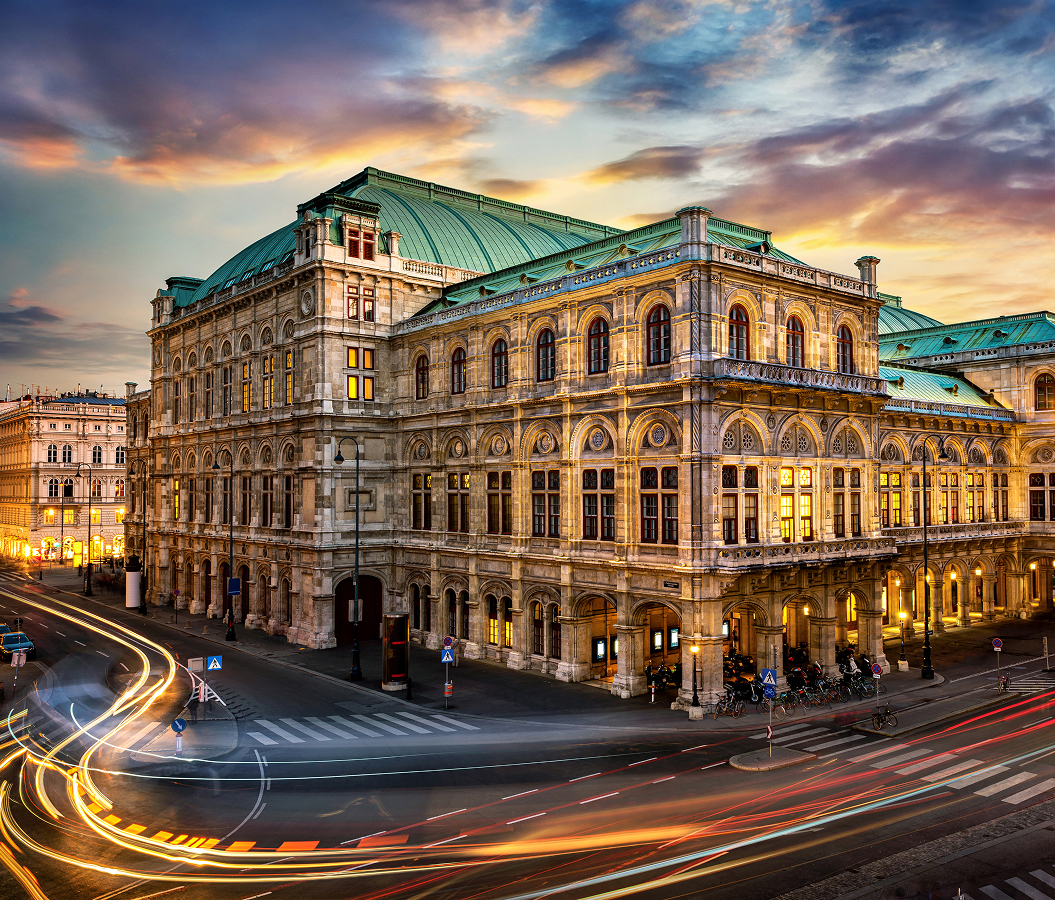
Originally built in the 1740s as a Habsburg palace, it was gifted to Duke Albert by Empress Maria Theresa herself, a gesture of affection that would change Vienna's cultural landscape forever. The Duke, a meticulous collector and devoted patron of the arts, filled the palace with drawings, prints, and watercolors from across Europe, carefully cataloging and preserving them with an archivist's precision and a poet's heart. When Napoleon's troops occupied Vienna, Albertina was spared, reportedly due to the Duke's reputation as a man of refinement and learning. The building's location on the city's old bastion gives it its unusual foundation, with sweeping terraces that overlook the Vienna State Opera and Burggarten below. After centuries of transformation, from aristocratic residence to war shelter to modern museum, Albertina remains a place of resilience and reverence. Few know that many of its most precious works, including Dürer's Praying Hands, were hidden during World War II to protect them from bombing raids. The museum's reconstruction in the 21st century added a gleaming modern wing, capped by a futuristic titanium roof designed by Hans Hollein, creating a striking juxtaposition between baroque opulence and contemporary innovation. Even its name carries legacy, “Albertina” was chosen by Duke Albert to evoke grace and permanence. Today, it stands as one of the few institutions that seamlessly weave the royal, the romantic, and the radical into one cohesive vision. Every exhibition here feels like a love letter, not just to art, but to endurance, memory, and the human drive to create beauty even amid upheaval.
How to fold Albertina into your trip.
Visiting Albertina is like entering a story, one written in brushstrokes and bound in light.
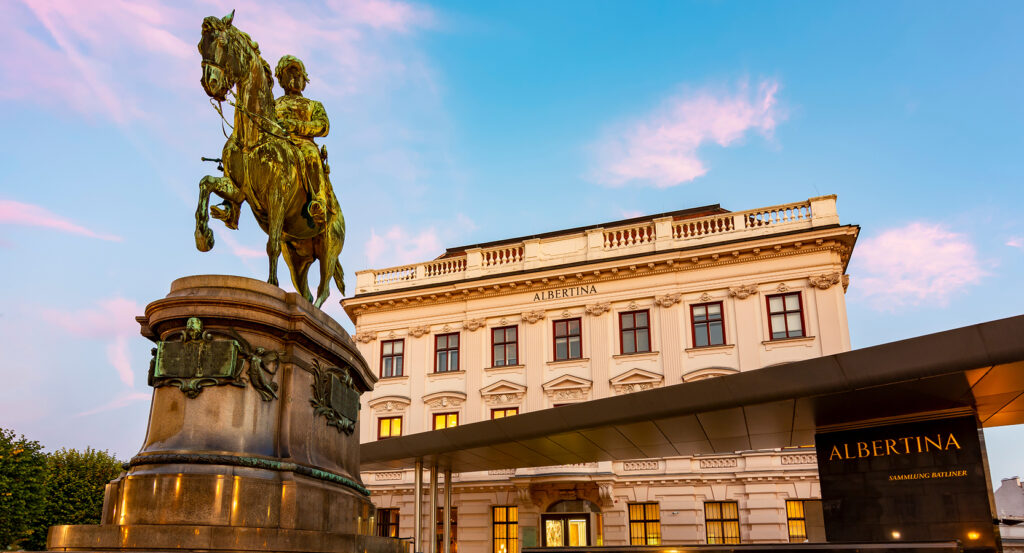
Start your morning with a stroll through Vienna's Inner City, letting the sound of church bells and carriage wheels set the rhythm. The museum's entrance, marked by the bronze equestrian statue of Archduke Albrecht, feels almost cinematic. Step inside, and begin in the staterooms, gilded salons preserved from the 19th century that transport you instantly into the world of the Habsburgs. Then make your way into the permanent exhibitions, where the story of European art unfolds in breathtaking sequence. Pause before Dürer's Hare, one of the most astonishingly lifelike drawings ever created, its fur rendered so delicately it seems to quiver with breath. Wander slowly through the Impressionist rooms; here, light becomes a language of emotion, from Monet's soft gardens to Renoir's warm portraits. When you reach the modern wing, take your time, the contrast between the airy architecture and the color-soaked canvases of Chagall and Picasso feels like a deep exhale after the museum's classical gravitas. Between galleries, stop at the museum café for Viennese coffee and apple strudel, and watch the pulse of the city flow outside. If time allows, stroll from Albertina into the Burggarten next door, once the imperial private garden, now a serene oasis framed by palms and fountains. Visit the nearby Vienna State Opera or the Café Mozart afterward to complete the circle, each within sight of the museum's terraces, each echoing its same sense of timeless grace. Albertina is not just an art experience; it's an immersion in Vienna's soul, elegant, enduring, and eternally in love with beauty.
Hear it from the Foresyte community.
Just enough life around you not to be overwhelming. Right pace.
Where your story begins.
Start your planning journey with Foresyte Travel.
Experience immersive stories crafted for luxury travelers.