Why you should experience Zermatt Bahnhofstrasse in Switzerland.
Bahnhofstrasse is the heartbeat of Zermatt, a single street where the pulse of the Alps feels tangible.
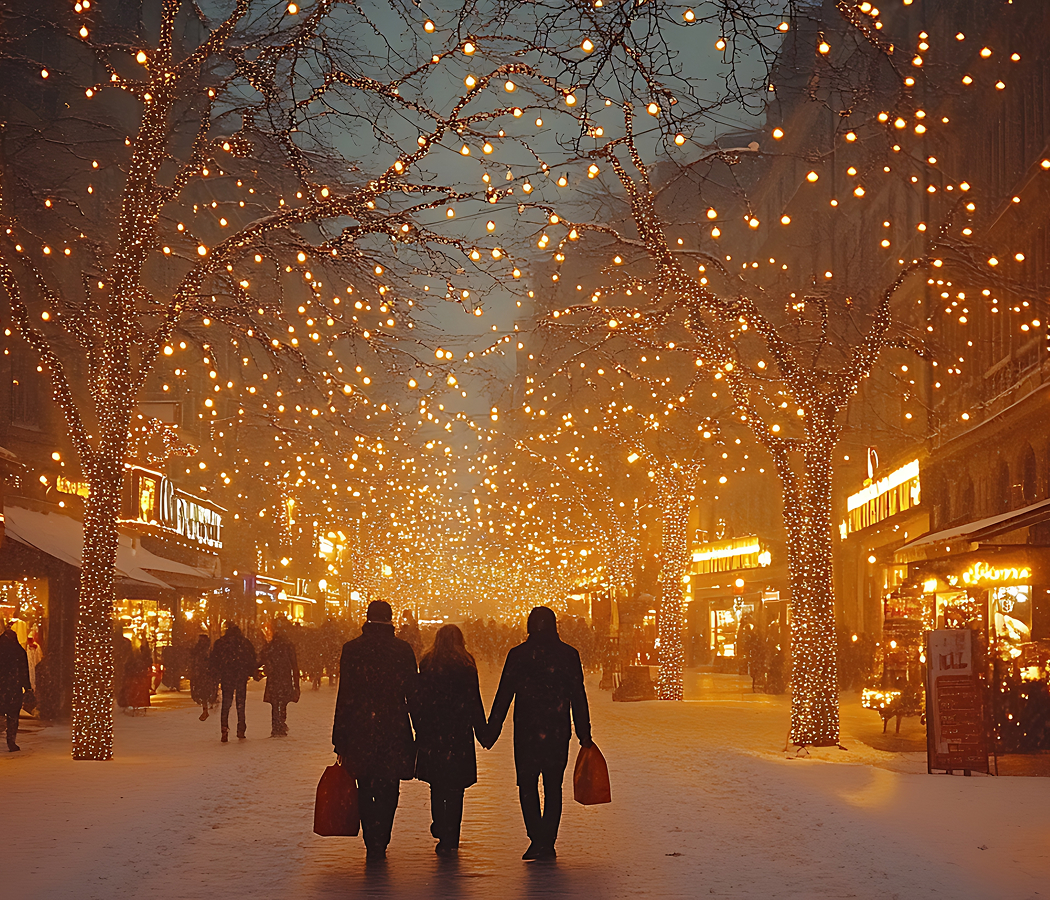
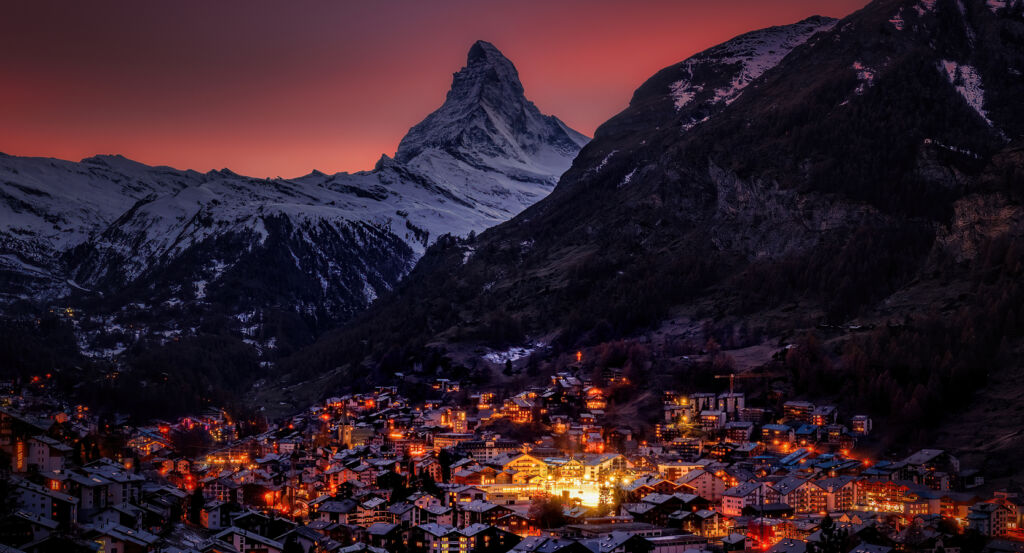
Stretching from the train station into the heart of the car-free village, it's less a thoroughfare and more a living organism, a place where history, luxury, and mountain life weave together in quiet rhythm. The cobblestones glisten after snowfall, the air hums with the scent of coffee and woodsmoke, and every shop window reflects the jagged silhouette of the Matterhorn watching from above. This is where climbers, skiers, and wanderers all cross paths, the adventurer fresh from the slopes brushing shoulders with the traveler wrapped in cashmere on a shopping stroll. The hotels lining the street, grand names like the Mont Cervin Palace and the Zermatterhof, carry more than a century of stories, each lobby echoing with laughter, clinking glasses, and the warmth of firelight after a day spent in cold, rarefied air. Yet for all its refinement, Bahnhofstrasse feels deeply human. Beneath the gleam of watch boutiques and patisseries lies something honest, the rhythm of mountain life, the sound of boots against stone, the scent of snow carried through an open door. It's the kind of street that doesn't just take you somewhere; it invites you to stay still long enough to feel like you belong there.
What you should know about Zermatt Bahnhofstrasse.
Bahnhofstrasse didn't begin as a showcase of alpine glamour, it began as a simple path between chalets, trodden by shepherds and mule trains long before tourism found Zermatt.
When the first railway reached the village in 1891, it transformed everything. The once-isolated mountain hamlet became a magnet for climbers and aristocrats, artists and explorers, and Bahnhofstrasse became its spine. Early travelers arrived in heavy wool coats and leather boots, stepping into a street lined with barns and inns that smelled of hay and firewood. Over time, the barns became boutiques, the inns turned into grand hotels, and the hum of commerce replaced the clatter of hooves. Yet the essence never changed. The same families that opened shops a century ago still run them today, their names carved into wooden signs above the door. Even the architecture holds the past in its grain, old chalets lean gently against modern glass storefronts, their weathered beams burnished by time. Few visitors realize that the village has no cars not out of novelty, but necessity: its narrow streets were never designed for them. Everything moves by electric cart or horse-drawn sleigh, preserving the soft quiet that makes Zermatt feel timeless. At dusk, as lanterns flicker to life and snow begins to fall, Bahnhofstrasse turns cinematic, the kind of scene that makes you forget which century you're standing in.
How to fold Zermatt Bahnhofstrasse into your trip.
To understand Zermatt, you have to walk Bahnhofstrasse, slowly, deliberately, and more than once.
Start at the train station, where the journey ends but the experience begins. Step out into the crisp air and follow the line of flags fluttering overhead, each one marking a story. Stop at a bakery for something warm, a croissant at Bäckerei Fuchs, maybe, or a slice of apple strudel still steaming from the oven, then wander. Visit the Mountaineers' Cemetery tucked just beyond the main street, a quiet tribute to those who gave everything to the peaks. Pop into the Matterhorn Museum Zermatlantis, hidden beneath the ground like a secret, where old climbing gear and photographs tell the story of how this place became legend. Browse the shops not for what they sell, but for what they preserve, handmade boots, Swiss watches, bars of chocolate wrapped in gold foil. When the day begins to fade, claim a table at Elsie's Bar or the Brown Cow Pub, where locals swap stories over mulled wine and laughter leaks out into the street. Stay for dinner nearby, the Omnia or Chez Heini, where the scent of roasting herbs drifts through the air. By night, Bahnhofstrasse glows softly under its string lights, snow falling soundlessly on rooftops as church bells echo through the valley. It's not the grandeur that lingers, but the gentleness, the way the village folds around you like a memory. Walking back to your hotel, you'll catch one last glimpse of the Matterhorn rising in the darkness, and it will hit you: Zermatt doesn't end where the mountains begin. It lives in these streets, in this quiet, in the rhythm of people who never stopped looking up.
Where your story begins.
Foresyte Travel reveals places that feel extraordinary long before you arrive.
Experience premium editorial crafted for luxury travelers.