Why you should experience Brandenburg Gate Quadriga in Berlin, Germany.
Crowning the Brandenburg Gate, Quadriga is one of Europe's most commanding symbols of victory and resilience, a sculpture that has watched Berlin rise, fall, and rise again.
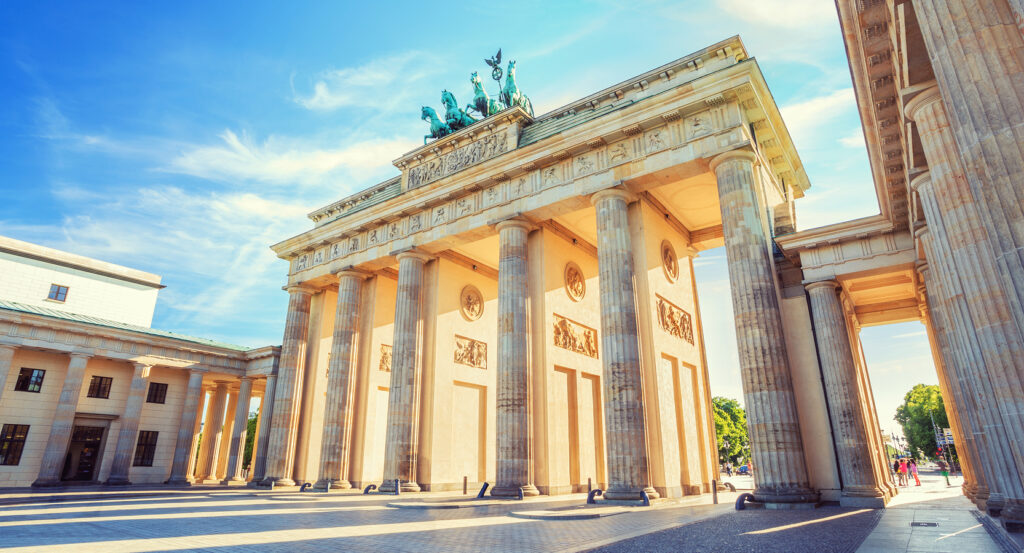
Perched atop the neoclassical gate, the bronze chariot drawn by four horses charges eastward into the city, its driver, the goddess of peace, holding aloft the Prussian eagle and the Iron Cross. From the ground, it gleams like a living relic, a masterpiece that shifts with the light: fierce and golden at dawn, tranquil and greened with patina by twilight. Every visitor who looks up at it feels its weight, not just artistic, but historical. It's a figure that has seen parades of emperors, Nazi rallies, Allied occupation, and the joyous reunification of 1989. More than sculpture, it's the heartbeat of Berlin's story in motion, a timeless emblem of endurance set against a sky that never forgets.
What you should know about Brandenburg Gate Quadriga.
Quadriga's life has been as dramatic as Berlin's own.
Designed in 1793 by sculptor Johann Gottfried Schadow, it originally symbolized peace triumphing over war. But history had other plans. When Napoleon conquered Berlin in 1806, he had Quadriga dismantled and sent to Paris as a trophy, a humiliation that stung the Prussian people deeply. It wasn't until 1814, after Napoleon's defeat, that the statue returned home in triumph, reimagined as a symbol of victory. Since then, it has been destroyed, rebuilt, and restored multiple times, most notably after World War II, when only the horse heads survived the bombings. The current version, meticulously recast from Schadow's original molds, was raised again in 1958, standing rebelliously on the gate that once divided the city. Few realize that the goddess's staff, once bearing a laurel wreath, was replaced with a Prussian eagle and Iron Cross after Napoleon's fall, transforming her from a figure of peace into a sentinel of power and unity.
How to fold Brandenburg Gate Quadriga into your trip.
To truly feel the presence of Quadriga, you must approach it with intention.
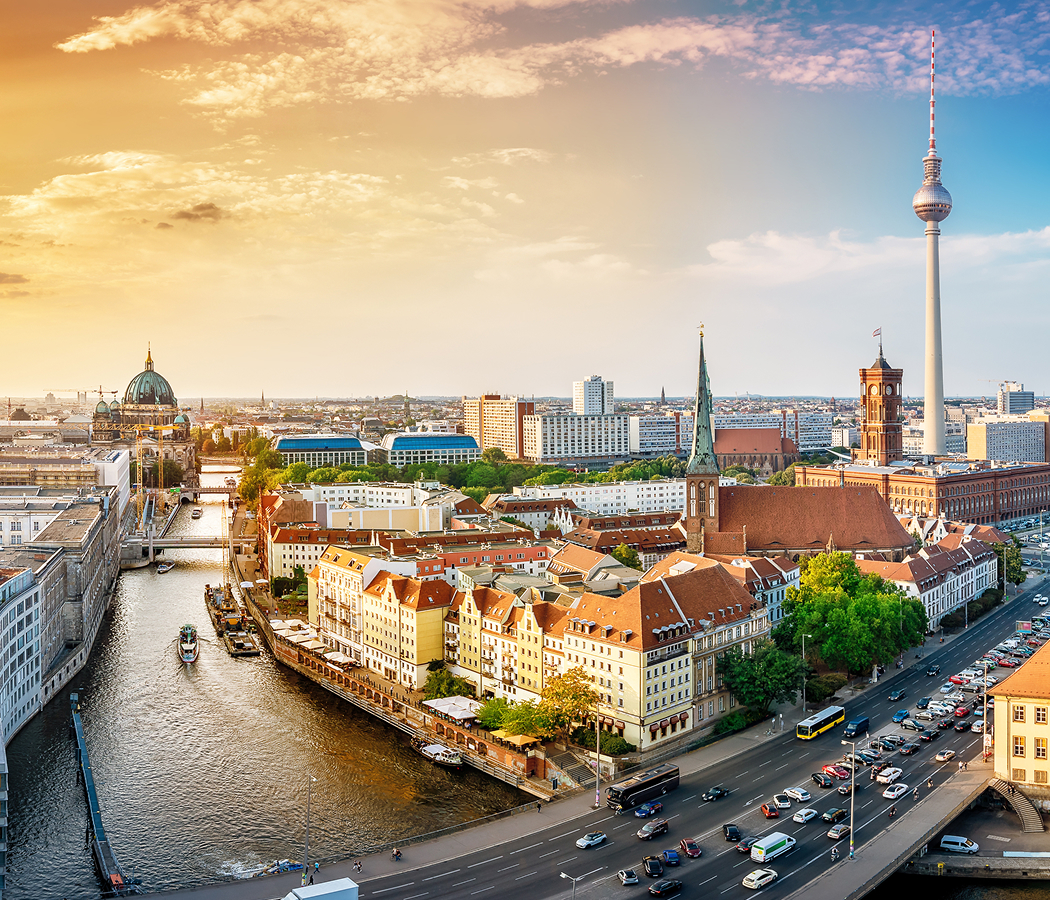
Start the walk from Unter den Linden Boulevard, moving west toward the Brandenburg Gate, the same route once taken by soldiers, protestors, and statesmen through the ages. As you near Pariser Platz, pause before the gate's columns and look up; the sculpture appears weightless against the open sky, as if still charging forward through time. For a closer view, visit the nearby Akademie der Künste or the Reichstag dome terrace, where Quadriga aligns perfectly with Berlin's skyline. Return at dusk, when the statue glows like molten bronze under soft illumination, a vision of motion stilled in light. Stand beneath it and listen; in the hush between footsteps and camera shutters, you can almost hear the clatter of hooves echoing through the centuries. Quadriga is more than a monument, it's Berlin's eternal forward stride, captured in bronze and immortalized above its most storied gate.
Where your story begins.
Foresyte Travel reveals places that feel extraordinary long before you arrive.
Experience premium editorial crafted for luxury travelers.